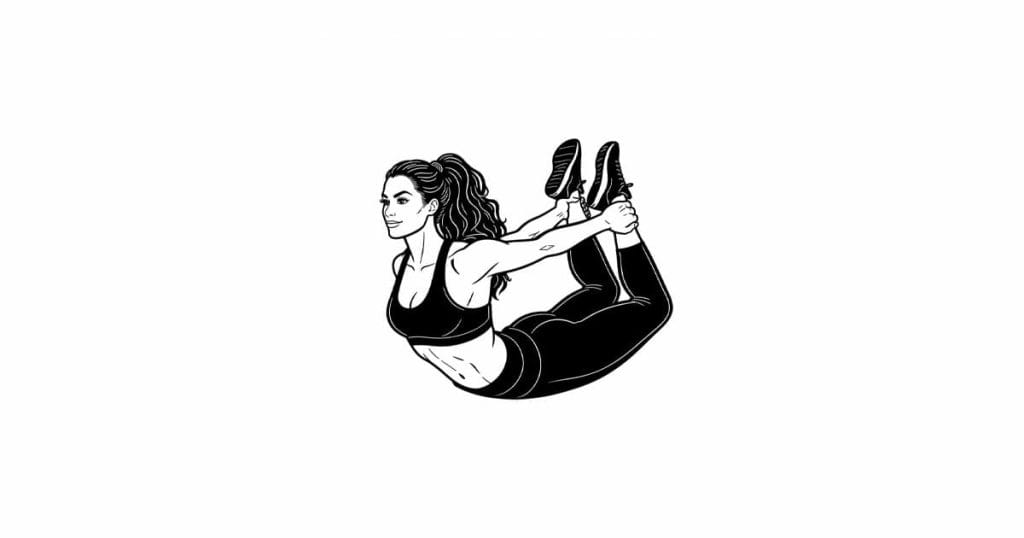
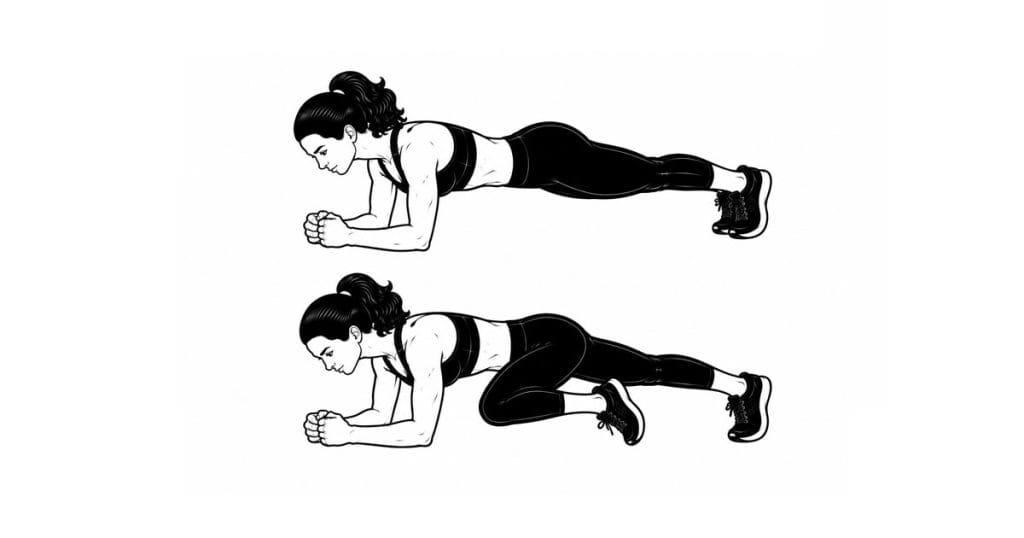
The Stability Ball Pike is an advanced bodyweight core exercise that develops abdominal strength, shoulder stability, and total-body control. Unlike traditional floor-based abdominal exercises, the feet or shins remain supported on a stability ball while the body moves from a high plank into an inverted V position. This unstable environment dramatically increases the demands placed on the core, requiring the abdominal muscles to stabilize the spine while lifting the hips. The result is a highly effective exercise for improving core strength, balance, coordination, and overall body control.
The primary muscle group targeted during the Stability Ball Pike is the abs and core. The rectus abdominis and deep stabilizing muscles, including the transverse abdominis, work together to flex the trunk and maintain spinal stability throughout the movement. As the hips rise, the abdominal muscles generate the force needed to perform the pike while resisting excessive movement through the lower back. This combination of dynamic movement and stabilization develops functional core strength that carries over to athletic performance and resistance training.
Several secondary muscle groups assist throughout the exercise. The shoulders stabilize the upper body while supporting body weight through the hands, helping maintain proper alignment during both the plank and pike phases. The hip flexors assist in raising the legs and hips toward the ceiling, while the chest contributes by stabilizing the shoulder girdle. The obliques help control rotation and maintain balance, creating a coordinated movement that challenges nearly the entire body.
One of the greatest benefits of the Stability Ball Pike is its ability to combine dynamic abdominal strengthening with anti-extension core stability. During the plank position, the abdominal muscles resist the natural tendency of the lower back to arch, while the upward phase requires powerful core contraction to lift the hips. This dual challenge develops functional strength that improves posture, lifting mechanics, and athletic performance.
Another major benefit is enhanced shoulder stability and upper-body endurance. Supporting your body weight on your hands while balancing on the stability ball requires continuous activation of the shoulders, chest, and upper back. This strengthens the stabilizing muscles surrounding the shoulder joint and improves control during weight-bearing exercises.
The exercise also develops balance, coordination, and body awareness. The instability of the stability ball forces constant adjustments from the core, shoulders, and hips throughout every repetition. These rapid corrections improve neuromuscular coordination, movement efficiency, and overall athleticism while reinforcing proper body alignment.
To perform the Stability Ball Pike, begin in a high plank position with your hands directly beneath your shoulders and your feet or shins resting on top of a stability ball. Brace your core, squeeze your glutes, and keep your body in a straight line from your head to your heels. Maintain a neutral neck position and press firmly into the floor through your hands.
Without bending your knees, contract your abdominal muscles and lift your hips toward the ceiling while rolling the stability ball toward your hands. Continue until your body forms an inverted V shape. Pause briefly at the top while maintaining full-body tension before slowly lowering your hips and rolling the ball back to the starting plank position under complete control.
Proper technique is essential for maximizing results. Keep your legs straight throughout the movement, move slowly without relying on momentum, and focus on lifting your hips using your abdominal muscles rather than shifting your weight forward. Exhale as you lift your hips and inhale as you return to the plank position to maintain core stability and controlled movement.
Common mistakes include bending the knees during the lift, allowing the lower back to sag in the plank position, shrugging the shoulders toward the ears, using momentum instead of muscular control, or allowing the stability ball to roll uncontrollably. These errors reduce abdominal activation and increase unnecessary stress on the shoulders and lower back. Controlled, deliberate repetitions with proper alignment produce the greatest benefit.
From a safety standpoint, the Stability Ball Pike is best suited for intermediate and advanced individuals who have already mastered a standard plank and possess sufficient shoulder and core stability. Beginners should first build strength with exercises such as the Stability Ball Plank or Stability Ball Knee Tuck before progressing to the full pike. If proper form cannot be maintained, reduce the range of motion or return to an easier variation.
Overall, the Stability Ball Pike is an outstanding exercise for strengthening the core, improving shoulder stability, enhancing balance, and developing total-body control. Its combination of instability, dynamic movement, and full-body tension makes it one of the most effective stability ball exercises for building functional strength, athletic performance, and advanced core stability.