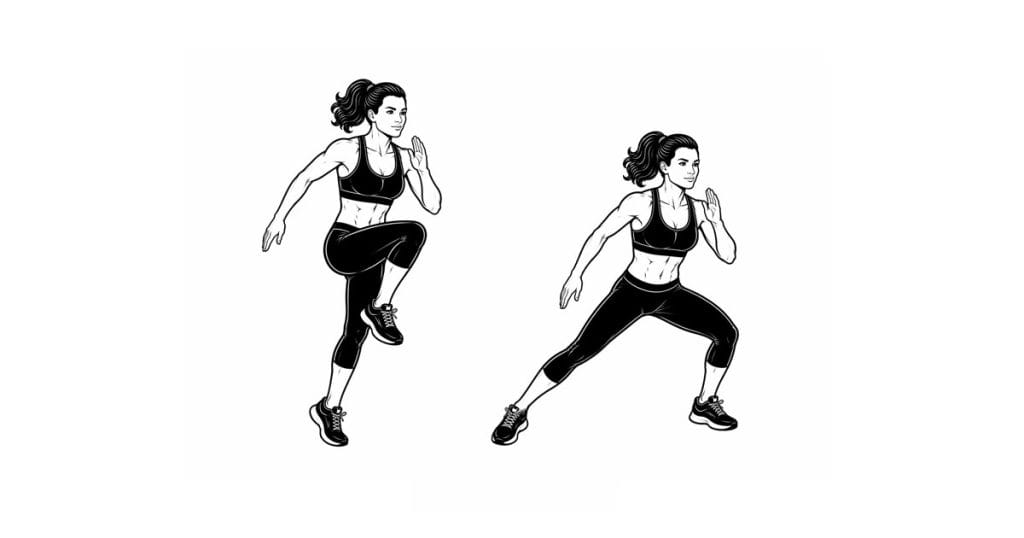
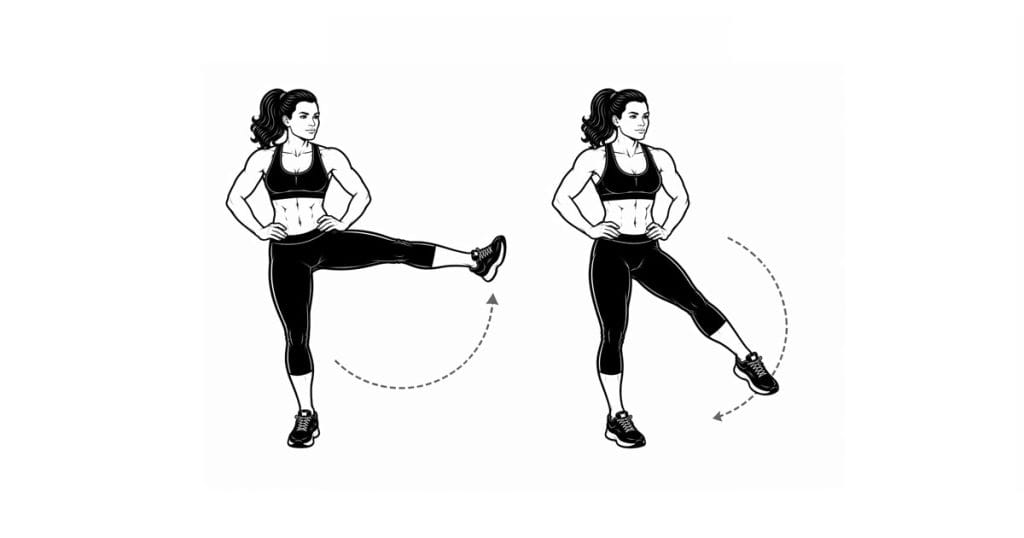
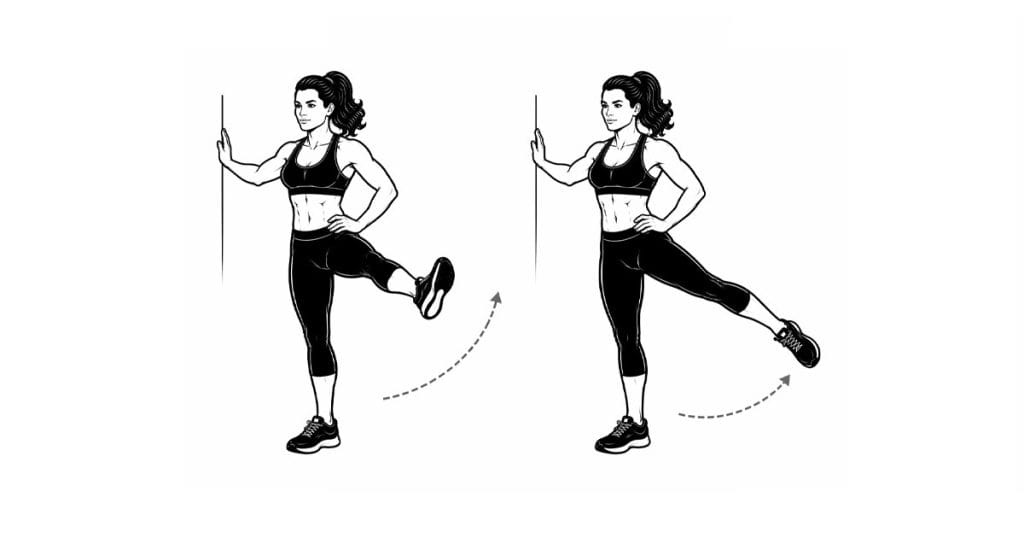
The lunging hip flexor stretch is a simple yet highly effective exercise designed to improve flexibility and mobility in the hip flexor muscles. This stretch is commonly used in warm-ups, cooldowns, and mobility routines to counteract the effects of prolonged sitting and to enhance overall lower body movement. By placing the body in a lunge position and gently driving the hips forward, this stretch targets the front of the hip, an area that often becomes tight due to inactivity or repetitive movement patterns.
The primary muscle group involved in the lunging hip flexor stretch is the hip flexors. These muscles, located at the front of the hip, are responsible for lifting the leg and stabilizing the pelvis during movement. When the hip flexors become tight, they can restrict mobility and contribute to poor posture, lower back discomfort, and limited range of motion. This stretch helps lengthen and relax these muscles, promoting better alignment and movement efficiency.
Secondary muscles also contribute to the effectiveness of this exercise. The quadriceps, particularly the rectus femoris, are stretched during the movement as they cross both the hip and knee joints. The glutes play an important role by activating to stabilize the pelvis and enhance the stretch. The core muscles are engaged to maintain balance and proper posture, preventing excessive arching of the lower back.
One of the main benefits of the lunging hip flexor stretch is improved flexibility. Regularly performing this stretch can help increase the range of motion in the hips, making movements such as walking, running, and squatting more efficient. Improved hip mobility can also reduce the risk of injury by allowing the body to move more freely and with better control.
Another key benefit is its ability to counteract the negative effects of prolonged sitting. Sitting for extended periods can cause the hip flexors to shorten and tighten, leading to imbalances and discomfort. Incorporating this stretch into a daily routine can help restore proper muscle length and alleviate tension in the hips and lower back.
The lunging hip flexor stretch also supports better posture. Tight hip flexors can pull the pelvis into an anterior tilt, which may contribute to lower back strain. By lengthening these muscles and encouraging proper pelvic alignment, this stretch can help improve posture and reduce stress on the spine.
To perform the lunging hip flexor stretch, begin in a kneeling lunge position with one foot forward and the opposite knee on the ground. From there, gently shift your hips forward while keeping your torso upright. The movement should be controlled and steady, with a focus on feeling a stretch in the front of the hip of the trailing leg.
Proper technique is essential to maximize the benefits of the stretch. Keep your chest tall, your core engaged, and your pelvis slightly tucked. Avoid leaning forward excessively or arching your lower back, as this can reduce the effectiveness of the stretch and place unnecessary strain on the spine.
Common mistakes include pushing too far into the stretch, failing to engage the glutes, and allowing the front knee to move out of alignment. These errors can limit the effectiveness of the stretch and increase the risk of discomfort.
From a safety perspective, it is important to move into the stretch gradually and avoid forcing the position. Stretching should create a gentle pulling sensation, not pain. Using a padded surface under the knee can also improve comfort during the exercise.
Overall, the lunging hip flexor stretch is a valuable addition to any mobility or flexibility routine. Its simplicity and effectiveness make it suitable for individuals of all fitness levels, helping to improve hip mobility, reduce muscle tightness, and support better movement patterns.