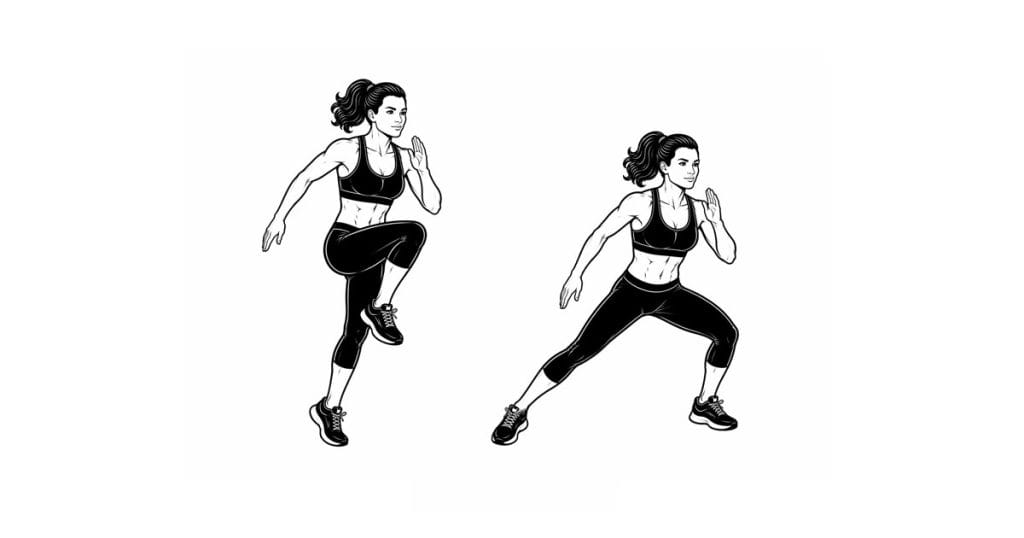
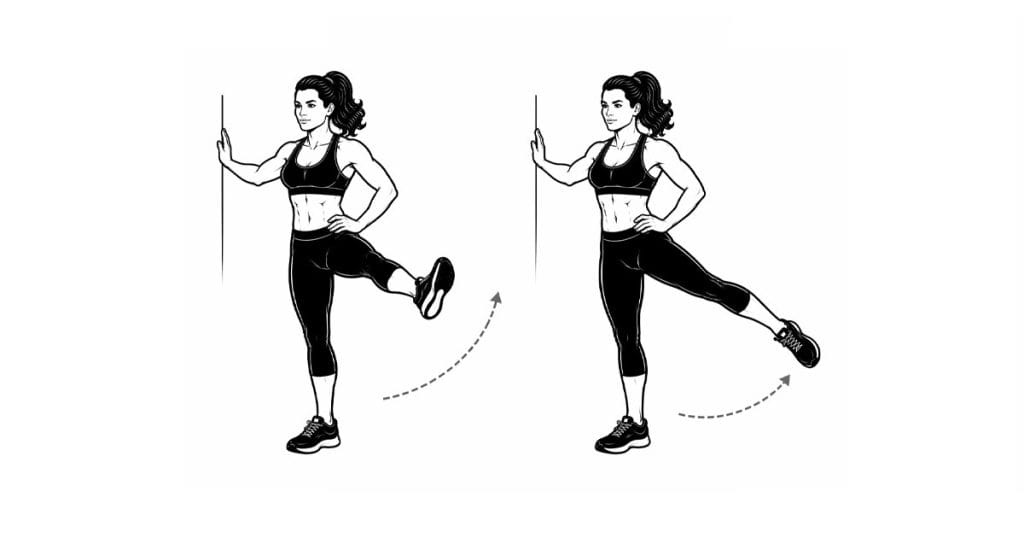
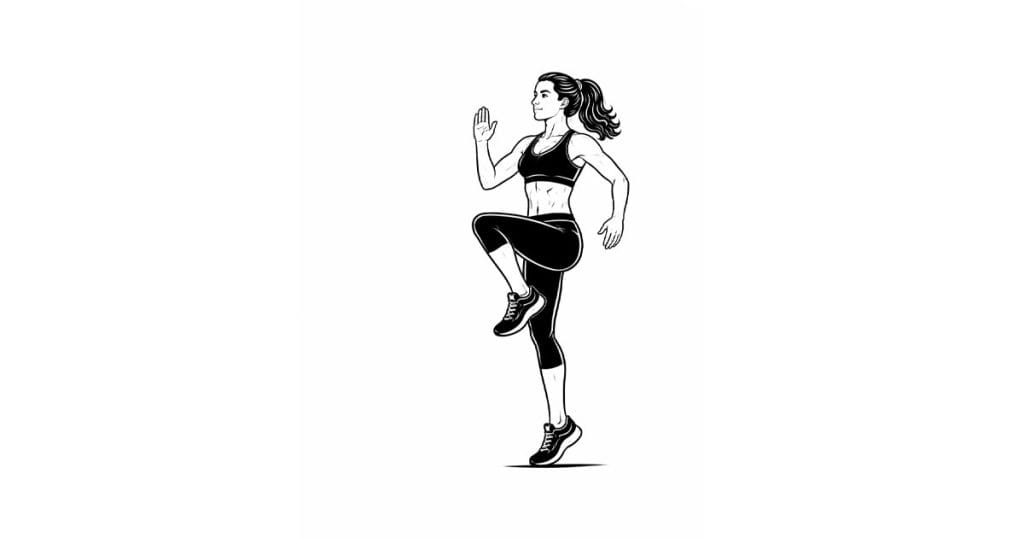
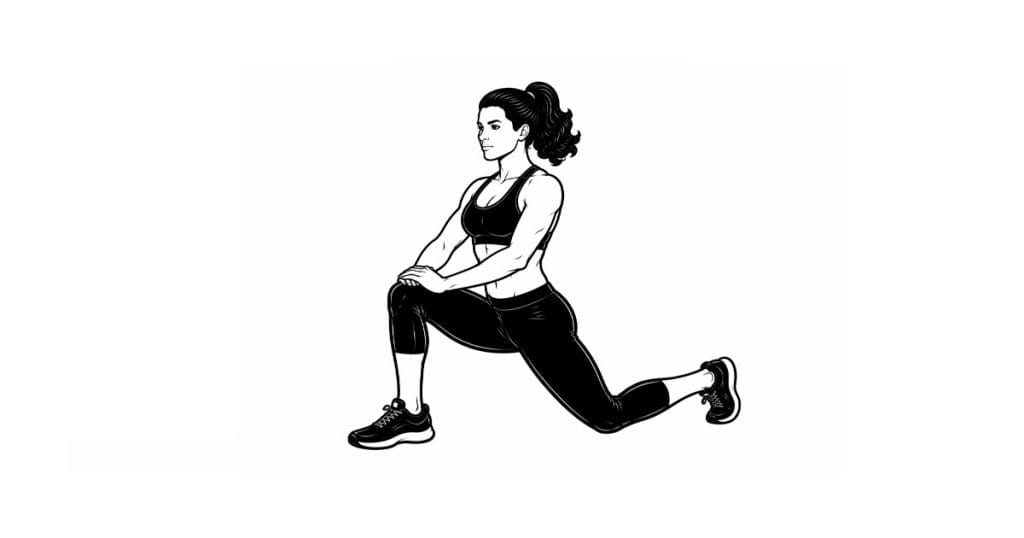
The Cable Front Leg Raise is a focused lower-body exercise designed to strengthen the hip flexors while also engaging the core and quadriceps for stability. Performed using a low cable pulley with an ankle attachment, this movement provides consistent resistance throughout the entire range of motion, making it an effective option for developing controlled hip flexion and improving lower-body coordination.
The primary muscles targeted are the hip flexors, which are responsible for lifting the thigh toward the torso and play a crucial role in walking, running, and athletic movement. The quadriceps assist during the lift, while the abdominal muscles work isometrically to stabilize the pelvis and limit unwanted spinal movement. This combination makes the exercise effective for strengthening both movement and stabilization patterns.
One of the key advantages of the cable front leg raise is the constant tension created by the cable. Unlike bodyweight leg raises, where resistance decreases at certain points, the cable maintains load during both the lifting and lowering phases. This continuous tension increases time under tension and encourages greater muscular control, particularly during the eccentric portion of the movement.
Proper setup is essential for effectiveness and safety. Facing away from the cable machine ensures the resistance pulls the leg backward, forcing the hip flexors to actively work to raise the leg forward. Using a stable support allows focus on technique rather than balance. Standing tall with a braced core helps maintain proper alignment and prevents compensation through the lower back.
During execution, the leg should lift smoothly in front of the body without excessive knee bend. The movement should originate from the hip rather than from swinging momentum. Keeping the torso upright and ribs down ensures the abdominal muscles remain engaged and limits unnecessary spinal extension. Briefly pausing at the top of the movement reinforces muscle activation and improves positional awareness.
The lowering phase is equally important. Slowly returning the leg to the starting position maintains tension on the hip flexors and reinforces control. Allowing the cable to pull the leg back too quickly reduces effectiveness and can place unwanted stress on the hip joint. A controlled tempo throughout the movement supports joint health and consistent muscle engagement.
The cable front leg raise is particularly useful for developing hip strength without heavy loading. Because the exercise prioritizes precision and control, moderate resistance is typically sufficient. Using excessive weight often leads to momentum, torso lean, or lower-back involvement, which reduces the effectiveness of the exercise.
This movement also reinforces anti-extension core strength. As the cable pulls the leg backward, the core must actively resist arching through the lower back. This added stability demand makes the exercise beneficial not only for hip flexor strength but also for improving trunk control and posture during lower-body movement.
Overall, the Cable Front Leg Raise is an effective and controlled exercise for strengthening the hip flexors, improving core stability, and reinforcing proper lower-body mechanics. When performed with proper technique and controlled resistance, it supports balanced movement, better coordination, and improved lower-body function.