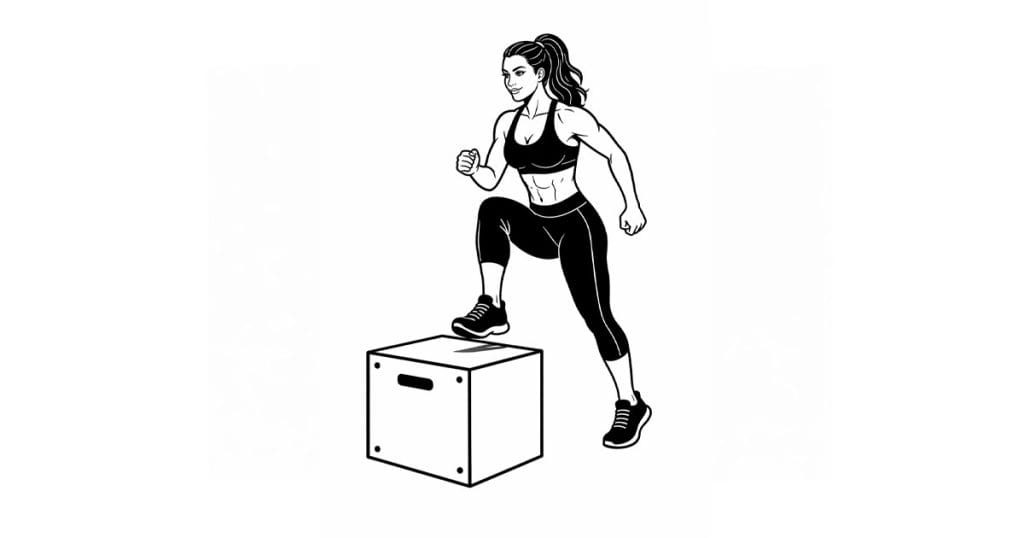
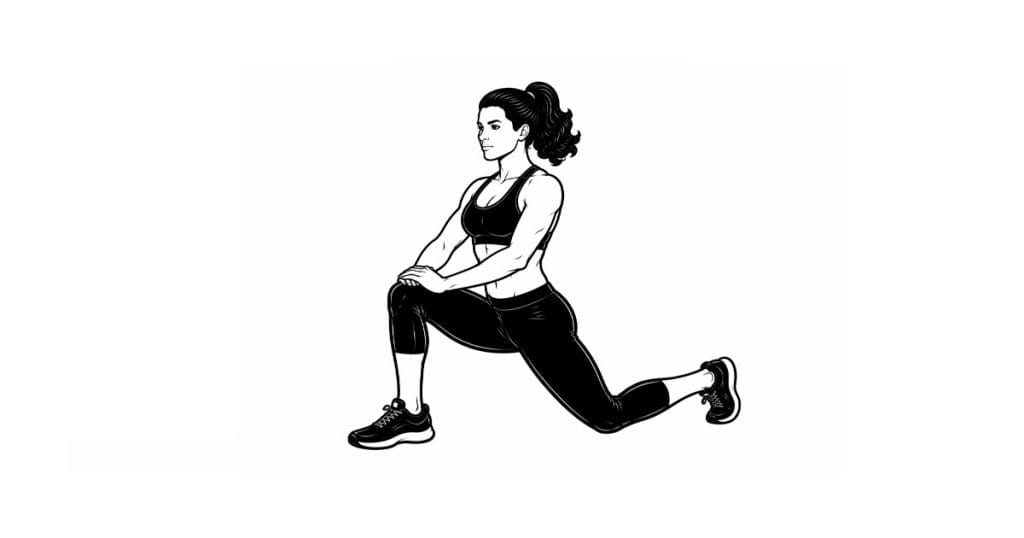
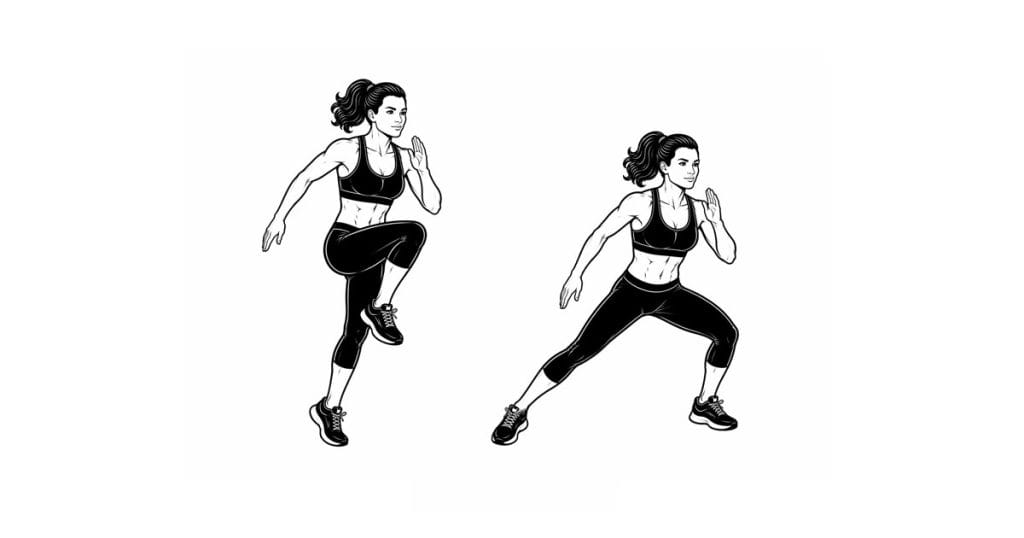
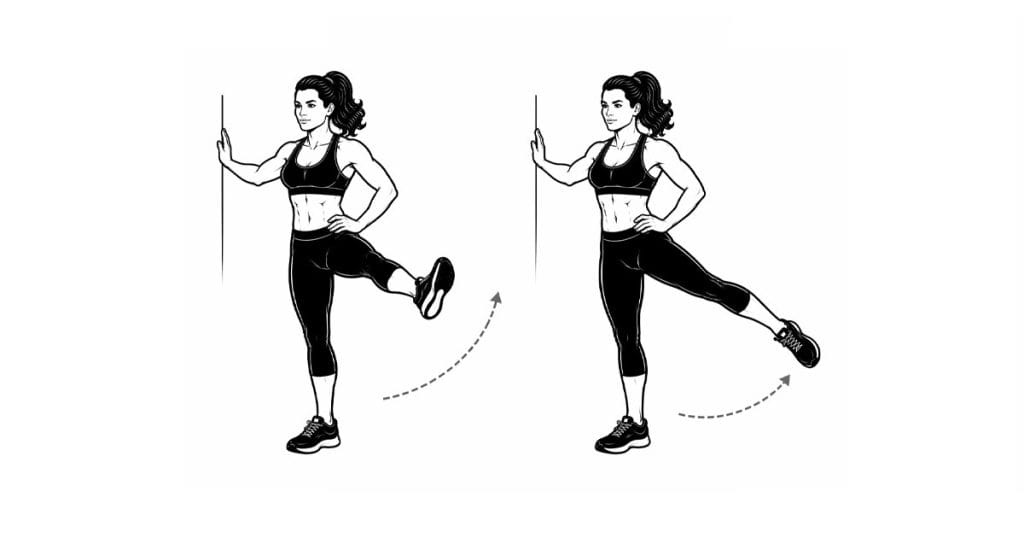
High knees are a dynamic cardio exercise designed to elevate heart rate, improve coordination, and strengthen the lower body. This movement primarily targets the hip flexors while also engaging the quadriceps, calves, glutes, and core muscles. High knees are commonly used in warm-ups, conditioning workouts, and athletic training due to their ability to increase intensity quickly and prepare the body for more demanding activities.
The primary muscle group involved in high knees is the hip flexors. These muscles are responsible for lifting the knees toward the chest during each repetition. Repeated activation of the hip flexors helps build strength, endurance, and mobility in the front of the hips, which is essential for running and other dynamic movements.
Secondary muscles play a key supporting role in this exercise. The quadriceps assist in extending the knee, while the calves help with quick, explosive foot contacts on the ground. The glutes contribute to overall lower body stability and power, and the core muscles work continuously to maintain balance and an upright posture throughout the movement.
One of the primary benefits of high knees is cardiovascular conditioning. Performing the exercise at a fast pace elevates the heart rate, making it an effective option for improving endurance and overall fitness. It is often included in high-intensity interval training and circuit-style workouts for this reason.
High knees also enhance coordination and agility. The rapid alternating motion of the legs, combined with coordinated arm movement, challenges timing and rhythm. This helps improve neuromuscular control and can translate to better performance in sports and daily activities.
Another advantage of high knees is their effectiveness as a warm-up exercise. By increasing blood flow to the muscles and activating key muscle groups, they help prepare the body for more intense movements such as sprinting, jumping, or strength training. The dynamic nature of the exercise also helps improve joint mobility, particularly in the hips and ankles.
To perform high knees, begin by standing upright with your feet hip-width apart. Lift one knee toward your chest while quickly switching to the opposite leg in a running motion. Keep your movements quick and controlled, staying on the balls of your feet. Your arms should move naturally in coordination with your legs, similar to a running pattern.
Proper technique is essential for maximizing effectiveness and reducing injury risk. Focus on lifting your knees high while maintaining an upright torso. Avoid leaning backward or slouching, as this can reduce efficiency and place strain on the lower back. Staying light on your feet and landing softly helps minimize impact on the joints.
Common mistakes include not lifting the knees high enough, landing heavily on the feet, and failing to use the arms effectively. These errors can decrease the intensity of the exercise and reduce its benefits.
From a safety perspective, it is important to start at a manageable pace and gradually increase intensity as your fitness improves. Performing the exercise on a stable surface and maintaining proper form will help reduce the risk of injury.
Overall, high knees are a versatile and effective exercise for improving cardiovascular fitness, lower body strength, and coordination. Their simplicity and adaptability make them a valuable addition to a wide range of training routines.