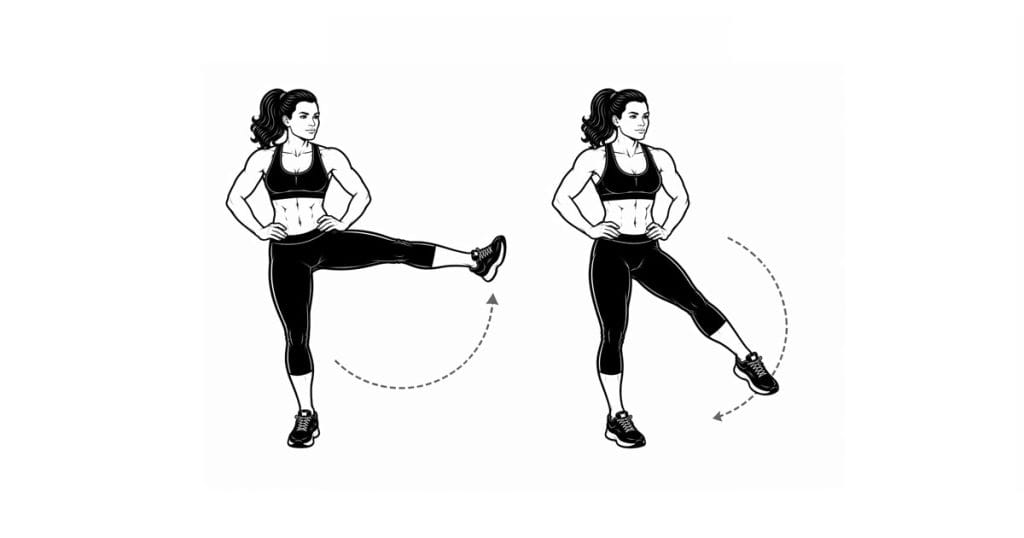
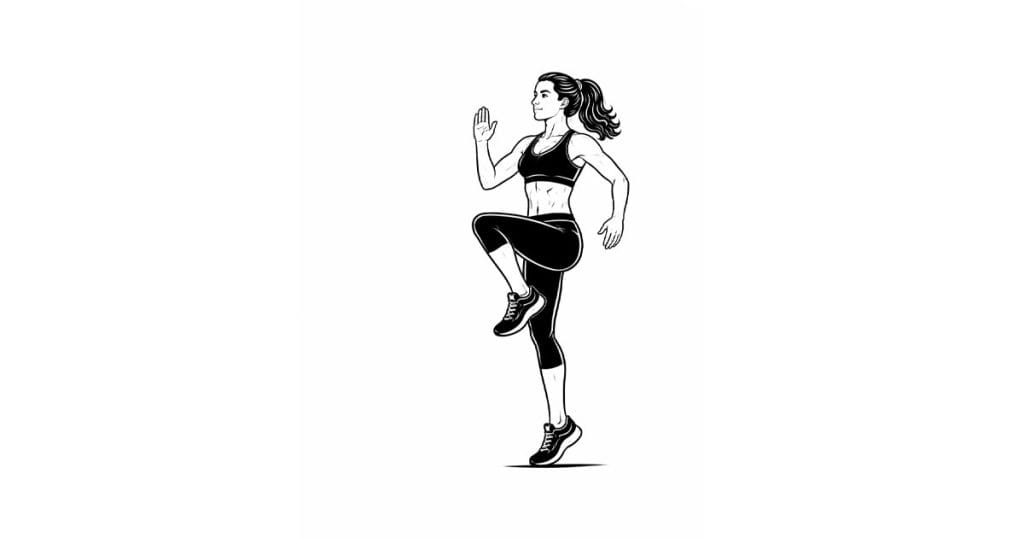
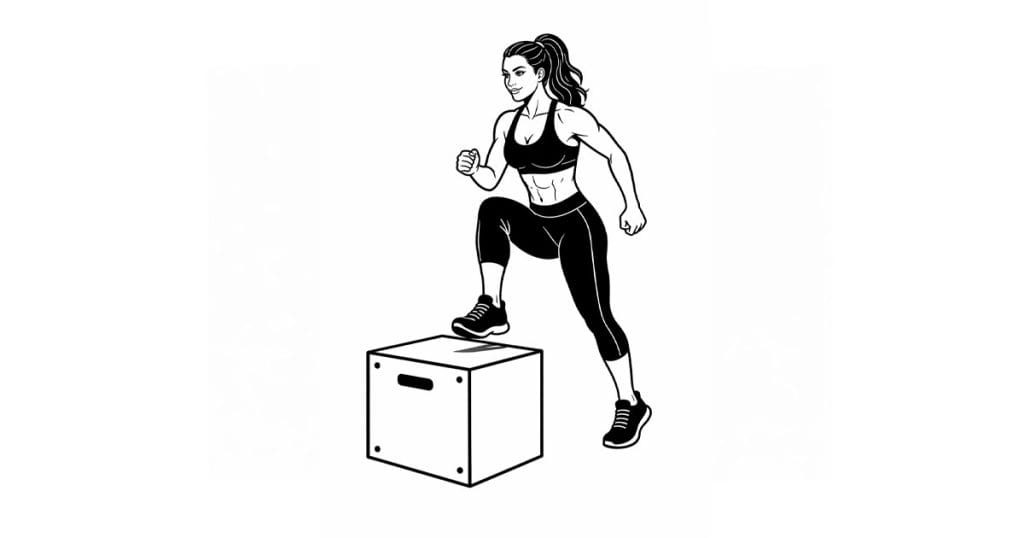
Leg swings are a dynamic mobility exercise commonly used to improve hip flexibility, coordination, and movement control. This simple yet effective movement involves swinging one leg forward and backward or side to side in a controlled manner, helping to increase range of motion in the hips while preparing the body for physical activity. Leg swings are frequently included in warm-up routines due to their ability to activate key muscle groups and promote fluid, functional movement.
The primary muscle group targeted during leg swings is the hip flexors. These muscles are responsible for lifting the leg forward during the swinging motion. As the leg moves through a repeated range of motion, the hip flexors are dynamically engaged and lengthened, improving both strength and flexibility. This makes leg swings especially useful for individuals looking to enhance hip mobility and reduce stiffness.
Secondary muscles play an essential role in supporting the movement. The hamstrings are actively stretched as the leg swings forward, while the glutes help control the backward motion of the leg. The quadriceps assist in maintaining leg extension, and the core muscles work to stabilize the torso and prevent excessive movement in the lower back. This coordinated effort helps develop better control and balance throughout the body.
One of the key benefits of leg swings is improved dynamic flexibility. Unlike static stretching, which involves holding a position, leg swings move the muscles through a full range of motion. This type of flexibility is more applicable to real-world activities and athletic performance, making leg swings an effective preparation exercise for running, jumping, and strength training.
Leg swings also enhance coordination and balance. Standing on one leg while controlling the swinging motion requires stability and body awareness. Over time, this can improve neuromuscular coordination and help reduce the risk of injury during more complex movements.
Another important benefit is increased blood flow and muscle activation. By engaging multiple muscle groups and moving the joints through a wide range, leg swings help warm up the body efficiently. This prepares the muscles and joints for more demanding activities, improving overall performance and reducing the likelihood of strain.
To perform leg swings, stand upright and shift your weight onto one leg. Begin swinging the opposite leg forward and backward in a smooth, controlled motion. The movement should be gradual at first, with a focus on maintaining proper posture and control. As flexibility improves, the range of motion can be increased.
Proper technique is essential for maximizing the benefits of leg swings. Keep your torso upright and avoid excessive leaning or arching of the lower back. The movement should come from the hip joint, not from compensatory movements in the spine.
Common mistakes include using too much momentum, swinging the leg too high too quickly, and neglecting core engagement. These errors can reduce the effectiveness of the exercise and increase the risk of injury.
From a safety perspective, it is important to respect your current level of flexibility. Start with smaller swings and gradually increase the range of motion over time. Avoid forcing the movement or pushing beyond a comfortable range.
Overall, leg swings are a versatile and accessible exercise that improves hip mobility, enhances coordination, and prepares the body for physical activity. Their simplicity and effectiveness make them a valuable addition to any warm-up or mobility routine.