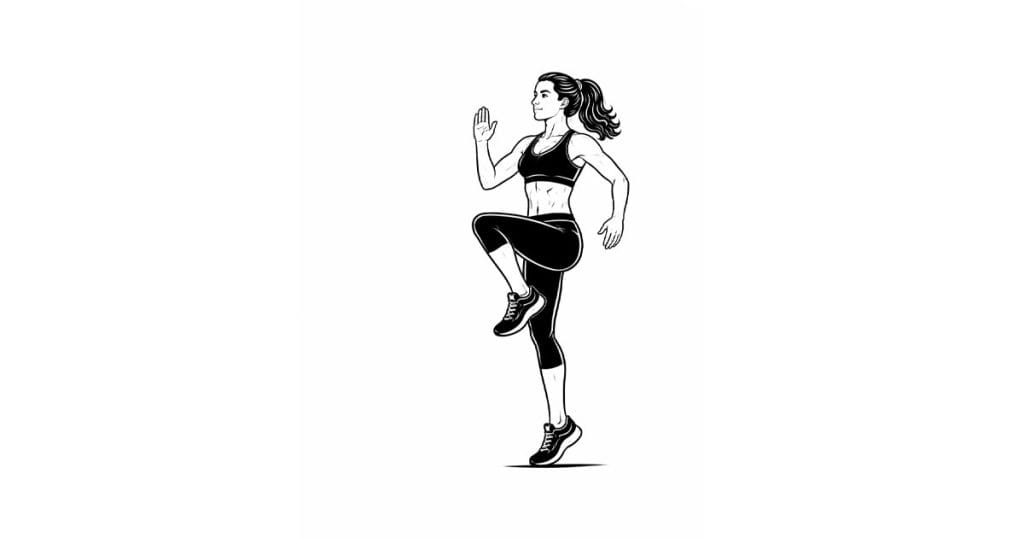
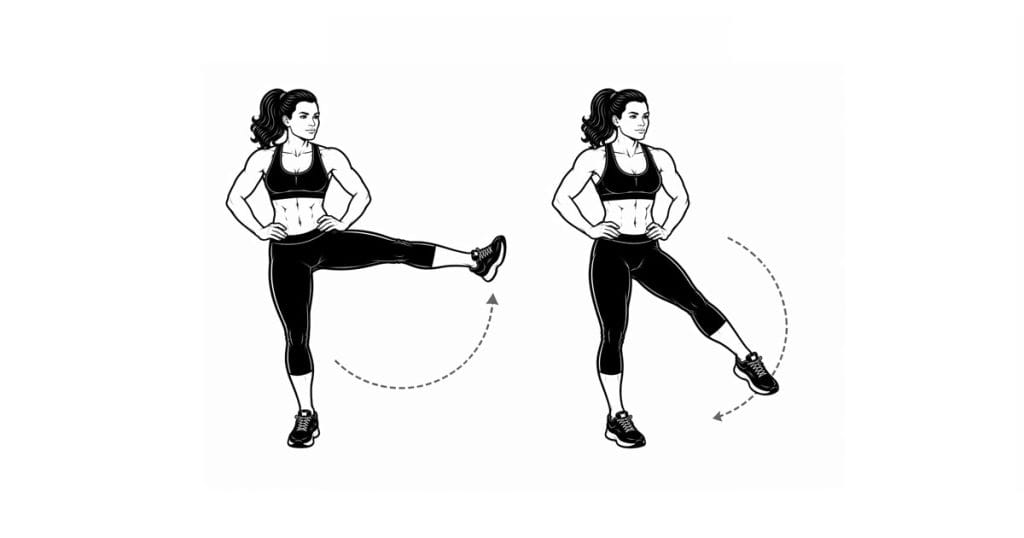
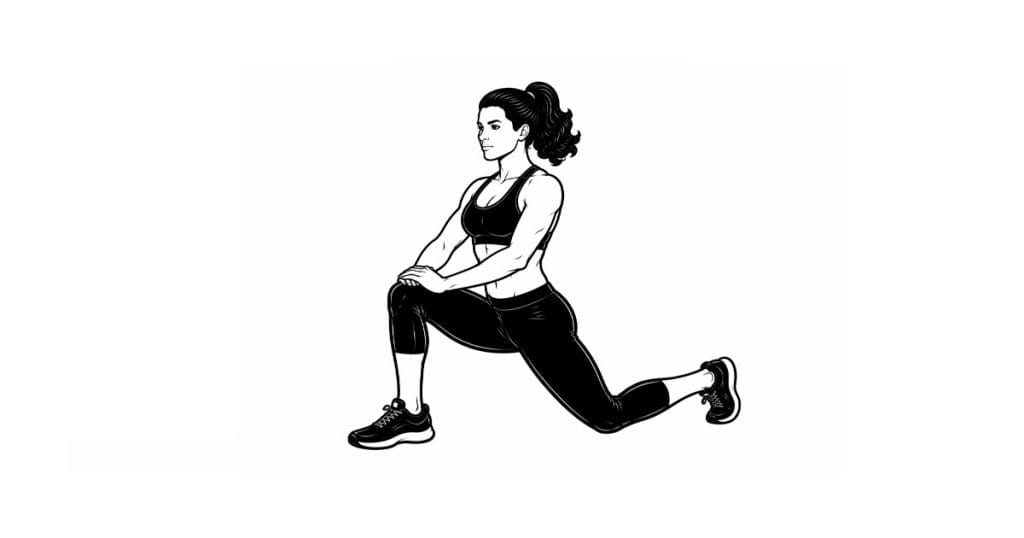
Lateral A skips are a dynamic athletic drill designed to improve coordination, agility, and lower body power while reinforcing proper running mechanics. This exercise is a variation of traditional A skips but performed in a side-to-side direction, adding a lateral component that challenges balance, stability, and neuromuscular control. Lateral A skips are commonly used in warm-ups, speed training sessions, and athletic conditioning programs to prepare the body for multidirectional movement.
The primary muscle group targeted in lateral A skips is the hip flexors. These muscles are responsible for driving the knee upward during each skip, which is a key component of efficient running and sprinting mechanics. Strengthening the hip flexors through repeated, controlled knee drives helps improve stride efficiency and overall athletic performance.
Secondary muscle groups play an important role in executing the movement effectively. The quadriceps assist in lifting and stabilizing the leg, while the glutes contribute to hip extension and lateral propulsion. The calves are heavily engaged during the push-off and landing phases, providing the explosive force needed for each skip. The core muscles are continuously active, helping maintain balance and proper posture throughout the exercise.
One of the key benefits of lateral A skips is their ability to improve coordination. The exercise requires synchronized movement between the arms and legs, which enhances timing and rhythm. This coordination is essential for athletic activities that involve rapid changes in direction and speed.
Lateral A skips also develop lateral movement skills, which are often overlooked in traditional forward-focused training. By moving side to side, this exercise helps strengthen stabilizing muscles and improves the body’s ability to control motion in multiple planes. This can lead to better performance in sports that require cutting, shuffling, or quick directional changes.
Another major advantage is the development of explosive power. The repeated hopping motion trains the lower body to generate force quickly, which is beneficial for sprinting, jumping, and other high-intensity movements. The emphasis on quick ground contact also helps improve reactive strength and agility.
To perform lateral A skips, begin by standing upright with your arms in a running position. Drive one knee upward while pushing off the opposite foot, and move laterally in the desired direction. Continue alternating sides in a rhythmic skipping pattern while maintaining balance and control.
Proper technique is essential for maximizing the benefits of this exercise. Focus on keeping your torso upright, driving your knees high, and landing softly with each step. Your arms should move naturally in coordination with your legs to maintain rhythm and efficiency.
Common mistakes include leaning too far to one side, failing to lift the knees adequately, and landing heavily with poor control. These issues can reduce the effectiveness of the exercise and increase the risk of injury.
From a safety perspective, it is important to perform lateral A skips on a stable surface and maintain control throughout the movement. Proper warm-up and gradual progression in intensity can help reduce the risk of strain or impact-related discomfort.
Overall, lateral A skips are a highly effective drill for improving coordination, agility, and lower body power. Their dynamic nature and lateral emphasis make them a valuable addition to any athletic training or warm-up routine.