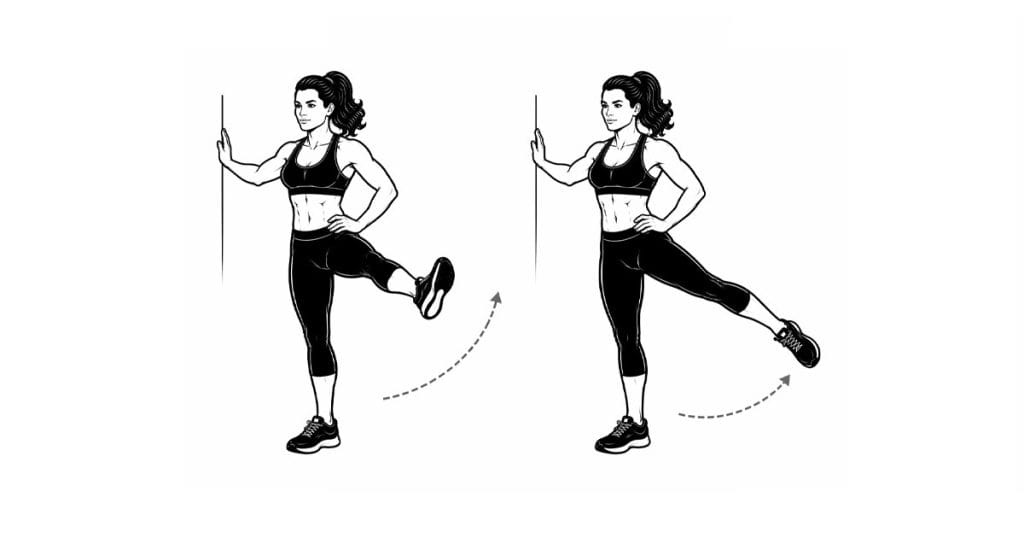
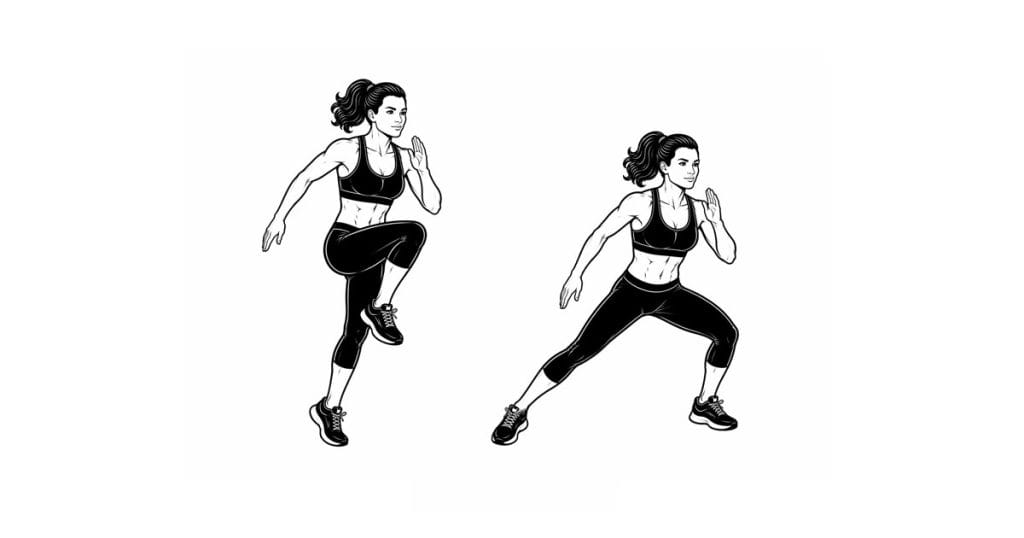
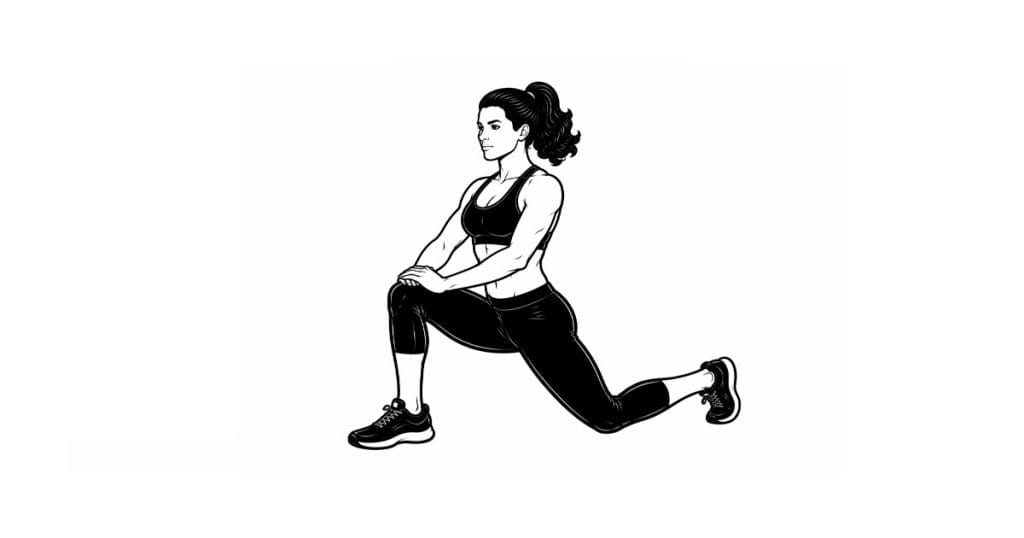
Leg circles are a simple yet highly effective mobility exercise designed to improve hip stability, flexibility, and control. Commonly performed in a supine position, this movement involves drawing controlled circles with one leg while maintaining a stable and engaged core. Leg circles are widely used in warm-ups, rehabilitation routines, and mobility training due to their ability to target the hip joint while reinforcing proper core engagement.
The primary muscle group targeted during leg circles is the hip flexors. These muscles are responsible for lifting and controlling the leg throughout the circular motion. By moving the leg through a full range of motion, the hip flexors are strengthened and mobilized, which helps improve overall hip function and movement efficiency.
Secondary muscles also play an important role in maintaining control and stability. The abdominal muscles work continuously to stabilize the pelvis and prevent unwanted movement in the lower back. The quadriceps help keep the leg straight during the exercise, while the adductors and abductors assist in guiding the leg through the circular pattern. This coordinated effort helps develop better neuromuscular control and joint stability.
One of the key benefits of leg circles is improved hip mobility. The circular motion allows the hip joint to move through multiple planes, which enhances flexibility and reduces stiffness. This can be especially beneficial for individuals who spend long periods sitting, as it helps restore natural movement patterns in the hips.
Leg circles also improve core stability. Because the pelvis must remain still while the leg moves, the core muscles are forced to engage and resist rotation. This makes the exercise valuable for developing foundational core strength and control, which carries over to many other movements.
Another important benefit is increased body awareness. Performing slow, controlled circles requires focus and coordination, helping you become more aware of how your body moves. This can improve movement quality and reduce the risk of compensations or imbalances.
To perform leg circles, lie on your back with one leg extended and the other raised toward the ceiling. Begin drawing small circles with the raised leg while keeping your hips stable and your core engaged. As you become more comfortable, you can gradually increase the size of the circles while maintaining control.
Proper technique is essential for maximizing the benefits of this exercise. Focus on keeping your lower back pressed into the floor and avoiding any rocking of the hips. The movement should come from the hip joint, not from the lower back or pelvis.
Common mistakes include moving too quickly, allowing the hips to shift, and bending the knee of the working leg. These errors can reduce the effectiveness of the exercise and place unnecessary strain on the lower back.
From a safety perspective, it is important to start with small, controlled circles and gradually increase the range of motion. Avoid forcing the movement beyond your current flexibility level, and stop if you feel discomfort in the hip or lower back.
Overall, leg circles are a versatile and accessible exercise for improving hip mobility, enhancing core stability, and developing better control. Their simplicity and effectiveness make them a valuable addition to any mobility or warm-up routine.