The Bosu Bicycle Crunch is an advanced variation of the traditional bicycle crunch that combines rotational core training with the instability of a BOSU trainer. By performing the movement on an unstable surface, the exercise increases the demand on the abdominal muscles, requiring greater stabilization and control throughout each repetition. This variation is highly effective for developing core strength, improving rotational power, and enhancing overall trunk stability.
The primary muscle group targeted during the Bosu Bicycle Crunch is the abs and core. The rectus abdominis works to flex the trunk and maintain stability, while the transverse abdominis and other deep core muscles support the spine throughout the exercise. Because the movement involves continuous stabilization on the BOSU, the core remains active from start to finish.
The obliques are heavily involved as secondary muscles. Each rotation requires the internal and external obliques to contract forcefully to bring the elbow toward the opposite knee. This rotational component makes the Bosu Bicycle Crunch particularly effective for building oblique strength and improving rotational movement patterns. The hip flexors also contribute as the legs alternate between extension and flexion, helping control lower-body movement.
One of the main benefits of the Bosu Bicycle Crunch is the increased range of motion provided by the BOSU trainer. Unlike a traditional floor bicycle crunch, the curved surface allows the torso to extend slightly beyond neutral, creating a greater stretch through the abdominal muscles before each contraction. This can increase muscular engagement and improve the overall effectiveness of the exercise.
Another major advantage is the challenge to stability and coordination. The unstable surface forces the body to recruit additional stabilizing muscles to maintain balance. This can improve body awareness, control, and overall functional fitness while making the core work harder than it would on a stable surface.
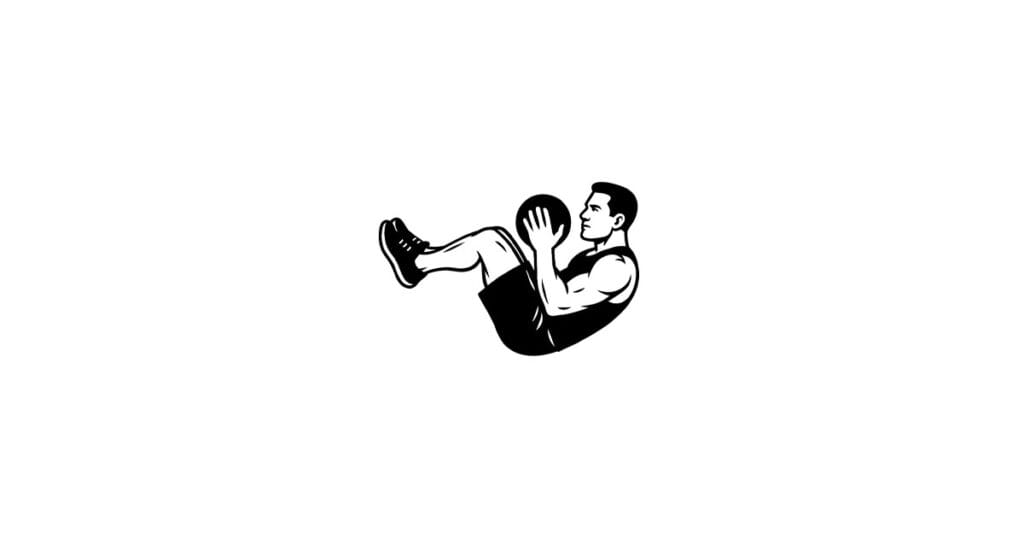
To perform the exercise correctly, position yourself on the BOSU with your lower back supported by the dome. Lift your feet off the floor and engage your core before beginning the movement. Extend one leg while simultaneously bringing the opposite knee toward your chest and rotating your torso toward that knee.
Focus on driving the rotation from the rib cage and torso rather than simply moving your elbows. The goal is to create a controlled twisting motion that fully engages the obliques while maintaining balance on the BOSU. After reaching the top position, return to the center and repeat on the opposite side.
Proper technique is essential for maximizing results. Avoid pulling on the neck with your hands, as this can create unnecessary strain and reduce abdominal engagement. Instead, keep your hands lightly supporting your head while allowing the core to drive the movement.
Another common mistake is moving too quickly. Rapid repetitions often rely on momentum rather than muscular effort and can reduce the effectiveness of the exercise. Slowing down and focusing on controlled movement increases muscle activation and improves stability.
From a safety perspective, maintaining spinal alignment and core engagement is critical. The BOSU trainer introduces instability, which can make it easier to lose balance or compromise form. Performing the movement slowly and deliberately helps maintain control and reduces the risk of strain.
Overall, the Bosu Bicycle Crunch is an excellent exercise for strengthening the core, developing the obliques, and improving rotational control. Its combination of instability, rotation, and abdominal activation makes it a challenging and effective addition to core-focused training routines.