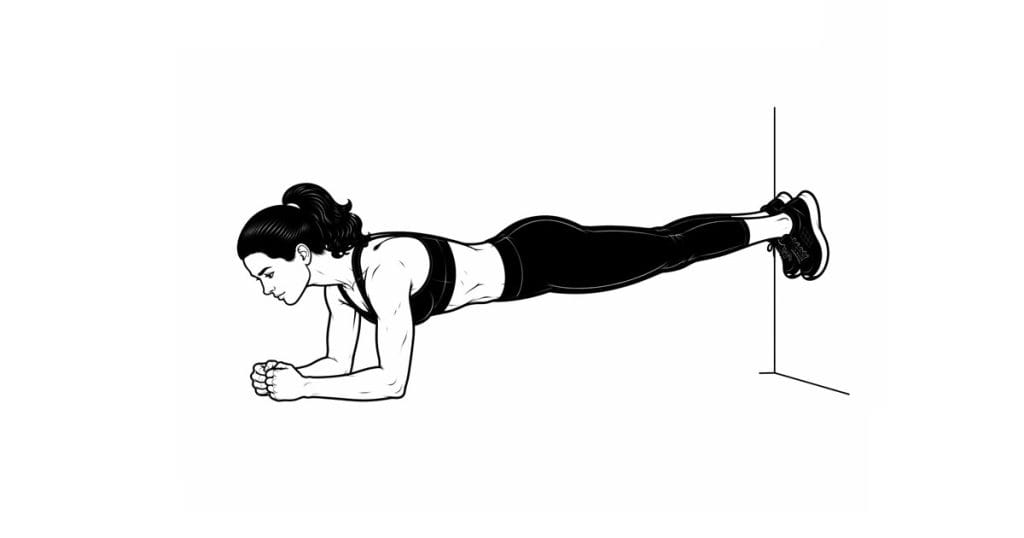
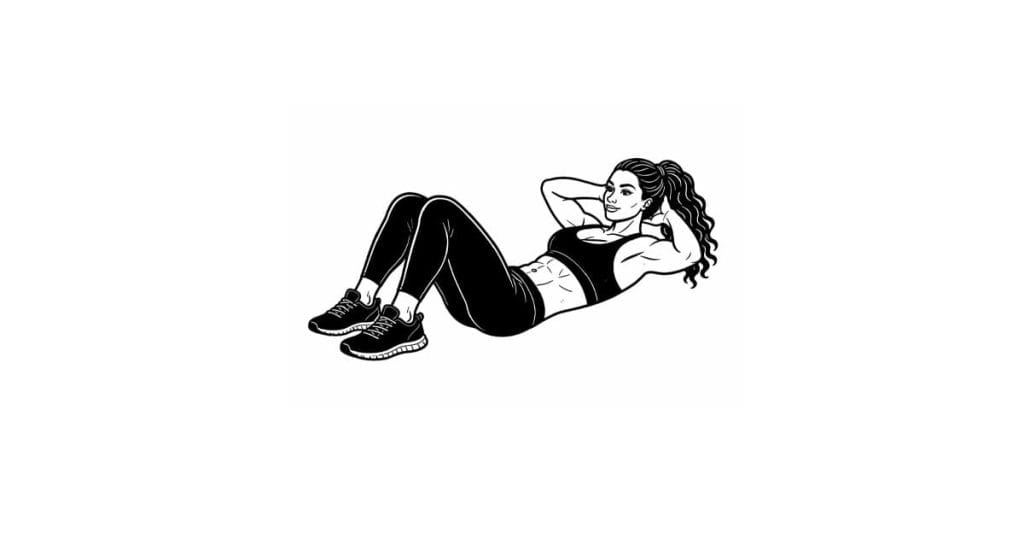
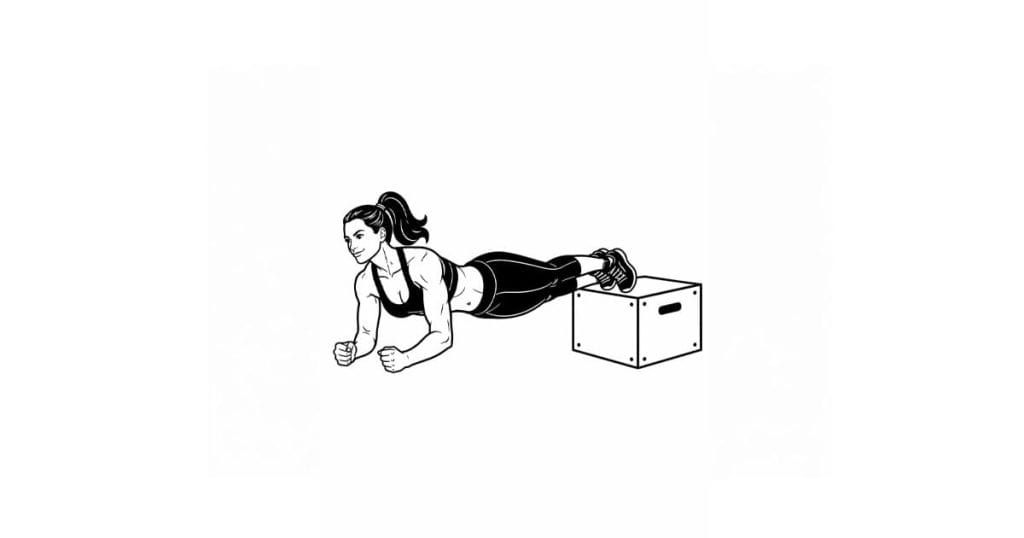
Plank with twisting knee tucks is a dynamic and highly effective core exercise that combines the stability of a plank with rotational movement. This bodyweight exercise challenges the core to maintain control while the lower body moves across the midline, making it an excellent option for improving strength, coordination, and overall body control. By incorporating rotation, this movement targets not only the central core muscles but also the obliques, which are essential for twisting and stabilizing the torso.
The primary muscle group worked during this exercise is the abs and core. The rectus abdominis plays a key role in controlling the knee tuck, while the transverse abdominis helps stabilize the spine and maintain proper alignment. The addition of a twisting motion increases the demand on the obliques, making this exercise particularly effective for building rotational strength and improving core definition.
Secondary muscles involved include the hip flexors, shoulders, glutes, and quads. The hip flexors are responsible for driving the knee toward the chest and across the body, while the shoulders and triceps provide stability in the upper body. The glutes and quads help maintain a strong plank position and prevent excessive movement through the hips. This full-body engagement makes the exercise both efficient and functional.
One of the main benefits of plank with twisting knee tucks is its ability to train the core in multiple planes of motion. While many core exercises focus on forward and backward movement, this variation introduces rotation, which is essential for real-life and athletic activities. This helps improve balance, coordination, and overall functional strength.
Another advantage is its ability to increase core intensity without requiring equipment. The dynamic nature of the movement elevates the challenge compared to a static plank, making it a great progression for those looking to advance their core training. It also enhances body awareness, as the movement demands control and coordination between the upper and lower body.
To perform plank with twisting knee tucks correctly, begin in a strong high plank position. Your hands should be directly under your shoulders, and your body should form a straight line from head to heels. Engage your core and glutes before initiating the movement. Drive one knee across your body toward the opposite elbow, focusing on controlled rotation through the torso.
Return the leg to the starting position and repeat on the other side. The movement should be smooth and controlled, with an emphasis on maintaining stability in the upper body. Avoid rushing through the exercise, as speed can reduce effectiveness and increase the risk of losing proper form.
Common mistakes include allowing the hips to sag or rise too high, failing to fully rotate the torso, and using momentum instead of controlled movement. These errors can reduce the engagement of the core muscles and place unnecessary stress on the lower back and shoulders. Maintaining proper alignment and control ensures optimal results.
From a safety perspective, it is important to keep the core engaged at all times to support the spine. Performing the exercise on a stable surface and using controlled movements can help reduce the risk of injury. If the movement feels too challenging, slowing down the tempo or reducing the range of motion can make it more manageable.
Overall, plank with twisting knee tucks is a versatile and effective exercise for building core strength, improving rotational control, and enhancing full-body stability. Its combination of stability and movement makes it a valuable addition to any bodyweight training routine focused on developing a strong and functional core.