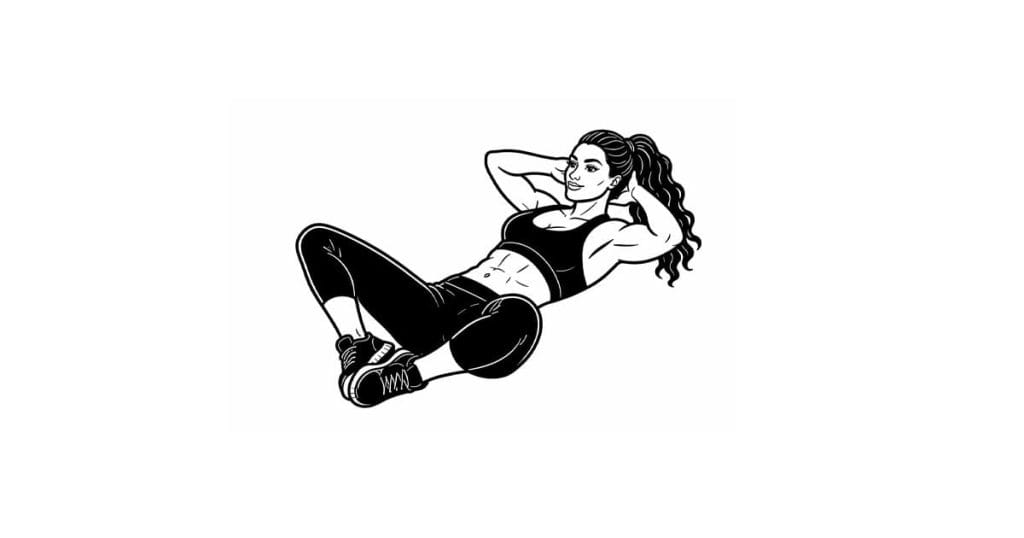
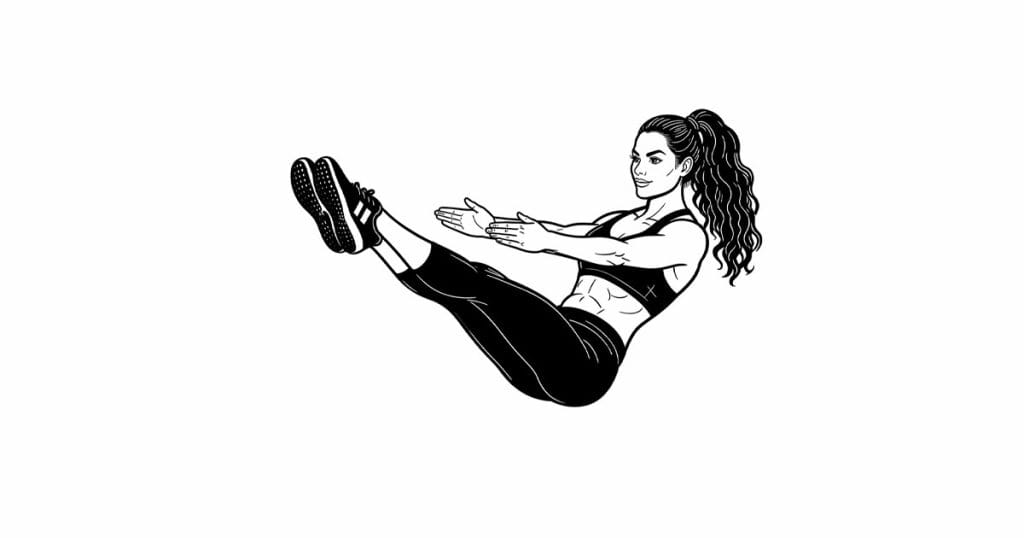
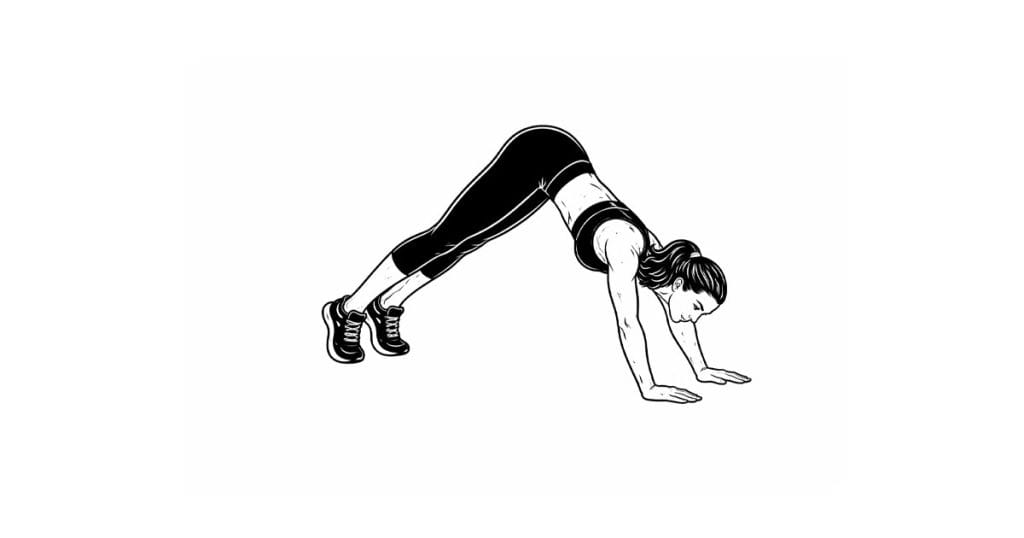
Floor Jacks, also known as plank jacks, are a dynamic bodyweight exercise that combines core stability with cardiovascular conditioning. This movement involves performing jumping jack-style leg movements while holding a strong plank position, making it an effective way to train the abs, improve endurance, and increase overall body control. Floor Jacks are widely used in high-intensity workouts, functional training routines, and bodyweight circuits due to their ability to elevate heart rate while simultaneously challenging stability.
The primary muscle group targeted during Floor Jacks is the abs and core. The core works continuously to stabilize the spine and prevent excessive movement through the hips. This anti-extension demand makes the exercise highly effective for developing core strength, particularly in the deep stabilizing muscles that support posture and protect the lower back.
Secondary muscles involved include the shoulders, glutes, quads, and hip flexors. The shoulders play a key role in maintaining a stable plank position, supporting body weight through the arms. The glutes and quads assist in controlling the leg movement and maintaining alignment, while the hip flexors are actively engaged during the jumping motion of the legs.
One of the main benefits of Floor Jacks is their ability to combine strength and cardio into one efficient movement. As the legs jump in and out, the heart rate increases, providing a cardiovascular stimulus while the core and upper body remain under constant tension. This makes Floor Jacks an excellent option for improving conditioning and burning calories without the need for equipment.
Another key advantage is improved core stability. The requirement to maintain a rigid plank while the lower body moves challenges the body’s ability to resist unwanted motion. This translates to better control during other exercises and everyday movements, helping to reduce the risk of injury and enhance overall performance.
The setup for Floor Jacks begins in a high plank position, with hands placed directly under the shoulders and the body forming a straight line from head to heels. Proper alignment is essential to ensure that the core is fully engaged and that unnecessary strain is avoided.
During execution, both feet are jumped out wide and then quickly brought back together, mimicking the motion of a traditional jumping jack but performed horizontally. The upper body should remain as stable as possible, with minimal shifting or rotation. Controlled, rhythmic movement is key to maintaining proper form and maximizing effectiveness.
Breathing should remain steady throughout the exercise. Avoid holding your breath, as this can increase tension and reduce endurance. Instead, focus on controlled inhales and exhales to support sustained effort.
Common mistakes include allowing the hips to sag or rise, moving too quickly without control, and failing to engage the core properly. These issues can reduce the effectiveness of the exercise and increase the risk of strain, particularly in the lower back.
From a safety standpoint, it is important to maintain proper alignment and avoid excessive impact when jumping the feet. Beginners or those with joint concerns can modify the movement by stepping the feet out and in instead of jumping. This reduces impact while still providing a solid training stimulus.
Overall, Floor Jacks are a versatile and effective exercise for building core strength, improving cardiovascular fitness, and enhancing full-body coordination. Their simplicity and efficiency make them a valuable addition to any bodyweight training routine.