Drunken mountain climbers are a dynamic bodyweight exercise that combines core strength, rotational control, and cardiovascular conditioning into one continuous movement. This variation of the traditional mountain climber emphasizes diagonal knee drives across the body, which increases activation of the obliques and challenges overall core stability.
The primary muscle group targeted in drunken mountain climbers is the abs/core, particularly the obliques. The diagonal movement pattern requires the core to stabilize the spine while also producing controlled rotation, making it highly effective for improving functional strength and coordination. The rectus abdominis and transverse abdominis also play key roles in maintaining a strong plank position.
Secondary muscles include the shoulders, which support the upper body in the plank position, and the quads and hip flexors, which drive the knee toward the chest. The chest assists in stabilizing the upper body, especially as the weight shifts slightly during each repetition. This full-body involvement makes drunken mountain climbers an efficient exercise for building endurance and strength simultaneously.
One of the main benefits of this exercise is its ability to train the core in multiple planes of motion. Unlike standard mountain climbers, which primarily involve forward and backward movement, drunken mountain climbers introduce a rotational element. This helps improve athletic performance and enhances the body’s ability to control movement during dynamic activities.
Another advantage is the cardiovascular demand. Performing the exercise at a steady pace elevates the heart rate, making it an effective option for improving cardiovascular fitness while also strengthening the muscles. This combination of strength and cardio makes drunken mountain climbers a versatile addition to many routines.
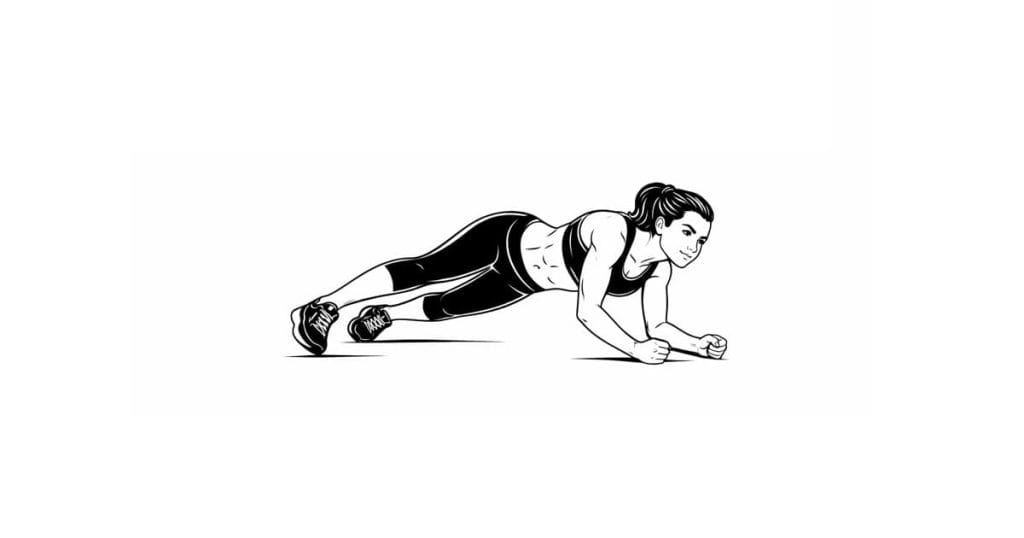
Proper technique is essential for maximizing the effectiveness of the exercise. The movement should begin with a strong plank position, ensuring the body forms a straight line from head to heels. As each knee drives across the body, the core should remain engaged to prevent excessive movement in the hips and lower back.
Control is more important than speed. While it may be tempting to perform the exercise quickly, focusing on controlled, deliberate movements ensures better muscle activation and reduces the risk of injury. The upper body should remain relatively stable, with minimal shifting of the shoulders.
Breathing should remain steady throughout the exercise. Exhaling as the knee drives forward and inhaling as it returns can help maintain rhythm and support core engagement.
Common mistakes include allowing the hips to bounce, failing to bring the knee across the body, and losing plank alignment. These errors can reduce the effectiveness of the exercise and place unnecessary strain on the lower back.
From a safety perspective, individuals should ensure they maintain proper alignment and avoid excessive rotation that compromises stability. If discomfort is felt in the wrists or shoulders, modifications such as elevating the hands can help reduce strain.
Overall, drunken mountain climbers are a challenging and effective exercise that builds core strength, improves rotational control, and enhances cardiovascular fitness. Their dynamic nature makes them a valuable addition to any routine focused on functional movement and total-body conditioning.