Marching plank is a dynamic core stability exercise that challenges the abdominal muscles while incorporating controlled limb movement. By adding alternating leg lifts to a traditional high plank position, this exercise increases the demand on the core, particularly in resisting rotation and maintaining proper alignment. Marching plank is widely used in strength training, athletic conditioning, and functional fitness programs due to its ability to improve stability, coordination, and muscular endurance.
The primary muscle group targeted during the marching plank is the core, specifically the rectus abdominis and deeper stabilizing muscles. These muscles work continuously to maintain a strong and stable plank position while resisting movement caused by lifting each leg. The anti-rotation component of the exercise makes it especially effective for developing core control and preventing unnecessary movement in the hips and torso.
Secondary muscles play an important supporting role. The glutes are actively engaged to stabilize the pelvis and assist with the leg lift, while the shoulders and upper body muscles support the plank position. The lower back muscles also contribute to maintaining spinal alignment and preventing excessive arching during the movement. This coordinated effort results in a full-body stabilization challenge that enhances overall strength and control.
One of the key benefits of the marching plank is improved core stability. Unlike static planks, this variation introduces movement, forcing the body to stabilize dynamically. This helps strengthen the muscles responsible for maintaining posture and alignment during both exercise and daily activities.
Another benefit is enhanced anti-rotation strength. The alternating leg lift creates a natural tendency for the body to shift or rotate, which the core must resist. This strengthens the ability to maintain balance and control under dynamic conditions, making it highly beneficial for athletic performance.
Marching plank also improves coordination and body awareness. The controlled, alternating movement requires focus and precision, helping individuals develop better control over their movements and improve overall stability.
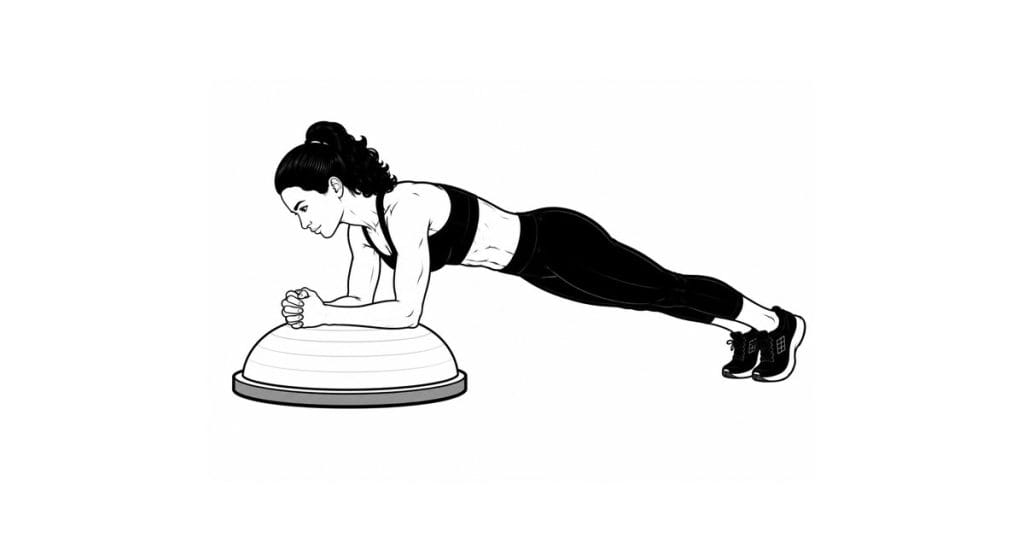
To perform the exercise, begin in a high plank position with your body aligned and core engaged. Slowly lift one leg while keeping your hips level, then return it to the ground and repeat on the other side. The movement should be deliberate and controlled, with an emphasis on maintaining stability rather than speed.
Proper technique is essential for maximizing the benefits of the marching plank. Keep your core tight, your hips level, and your movements controlled. Avoid allowing your hips to rotate or shift, as this reduces the effectiveness of the exercise and increases the risk of strain.
Common mistakes include lifting the leg too high, moving too quickly, and letting the hips rock side to side. These errors can reduce core activation and compromise form.
From a safety perspective, it is important to maintain proper alignment throughout the exercise. Keep your spine neutral and your core engaged to protect the lower back. If needed, modify by holding a static plank or reducing the range of motion.
Overall, marching plank is a highly effective exercise for building core strength, improving stability, and enhancing coordination. Its dynamic nature makes it a valuable progression from traditional planks, offering increased challenge and greater functional benefits.