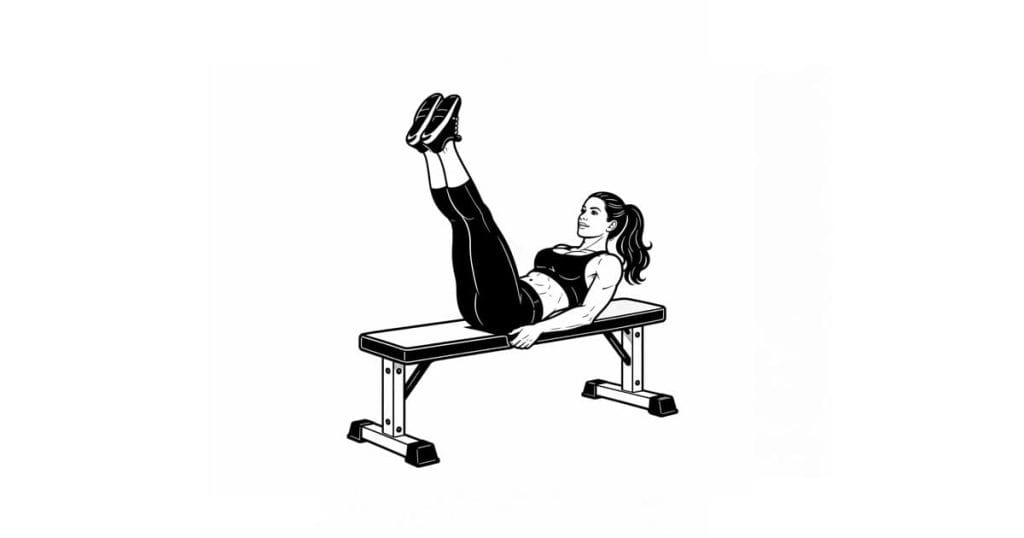
The lying leg raise is a foundational core exercise that primarily targets the abdominal muscles while also engaging the hip flexors and supporting muscles of the lower back. Performed from a supine position, this movement involves lifting the legs upward while maintaining control and stability throughout the body. It is widely used in core training routines, bodyweight workouts, and rehabilitation programs due to its simplicity and effectiveness.
The primary muscle group targeted during the lying leg raise is the abdominals. This exercise places particular emphasis on the lower portion of the rectus abdominis, which is responsible for stabilizing the pelvis and controlling the movement of the legs. By maintaining tension in the core throughout the exercise, the abdominal muscles work to prevent the lower back from arching, making this an effective movement for building core strength and endurance.
Secondary muscles also contribute significantly to the movement. The hip flexors play a major role in lifting the legs upward, as they are responsible for flexing the hip joint. The lower back muscles assist in stabilizing the spine, while the core muscles work together to maintain proper alignment and control. This coordinated effort ensures that the movement remains smooth and controlled.
One of the key benefits of the lying leg raise is its ability to target the lower abdominals effectively. Many exercises tend to emphasize the upper portion of the abs, but this movement helps balance core development by focusing on the lower region. This can contribute to improved overall strength and better control of the trunk.
Another advantage is enhanced core stability. By requiring the core to remain engaged throughout the movement, the exercise helps train the muscles to stabilize the spine and pelvis. This is essential for maintaining proper posture and reducing the risk of injury during other physical activities.
The lying leg raise also promotes improved muscle control and coordination. The slow and controlled nature of the movement encourages proper muscle activation and helps develop body awareness. This can translate to better performance in other exercises and daily movements.
To perform the lying leg raise, lie flat on your back with your legs extended. From this position, lift your legs upward while keeping them straight, pause briefly at the top, and then lower them back down with control. The movement should be smooth and deliberate, with a focus on maintaining core engagement throughout.
Proper technique is essential for maximizing benefits and minimizing risk. Keep your lower back pressed into the floor, your movements controlled, and your core engaged at all times. Avoid using momentum, as this reduces the effectiveness of the exercise and increases the risk of strain.
Common mistakes include allowing the lower back to arch, lowering the legs too quickly, and bending the knees excessively. These errors can limit muscle engagement and place unnecessary stress on the spine.
From a safety perspective, it is important to perform the exercise within a comfortable range of motion. If lowering the legs fully causes the lower back to lift off the floor, reduce the range to maintain proper form. Supporting the hips with your hands can also help provide additional stability.
Overall, the lying leg raise is a simple yet highly effective exercise for strengthening the core, improving stability, and enhancing control. Its accessibility and focus on the lower abdominals make it a valuable addition to any fitness routine.