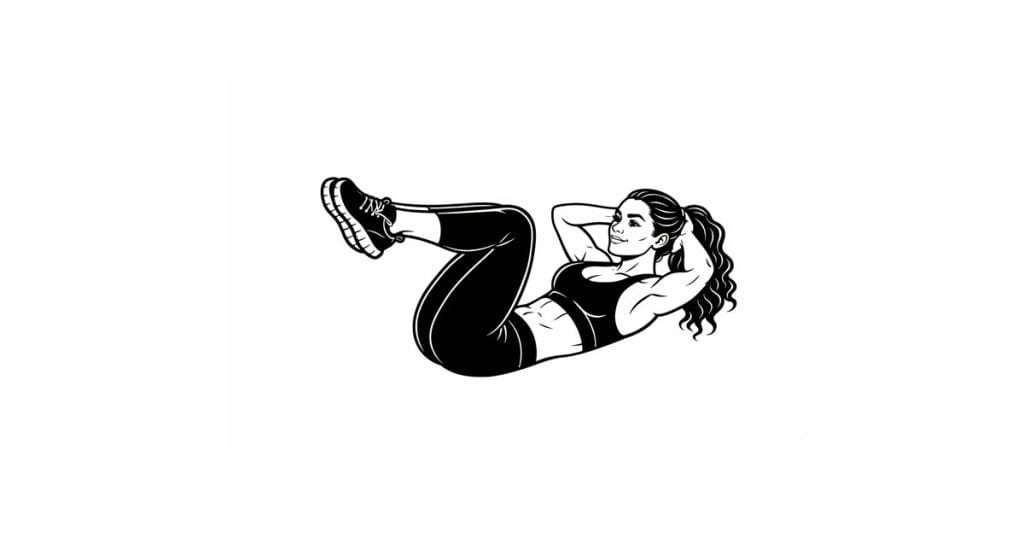
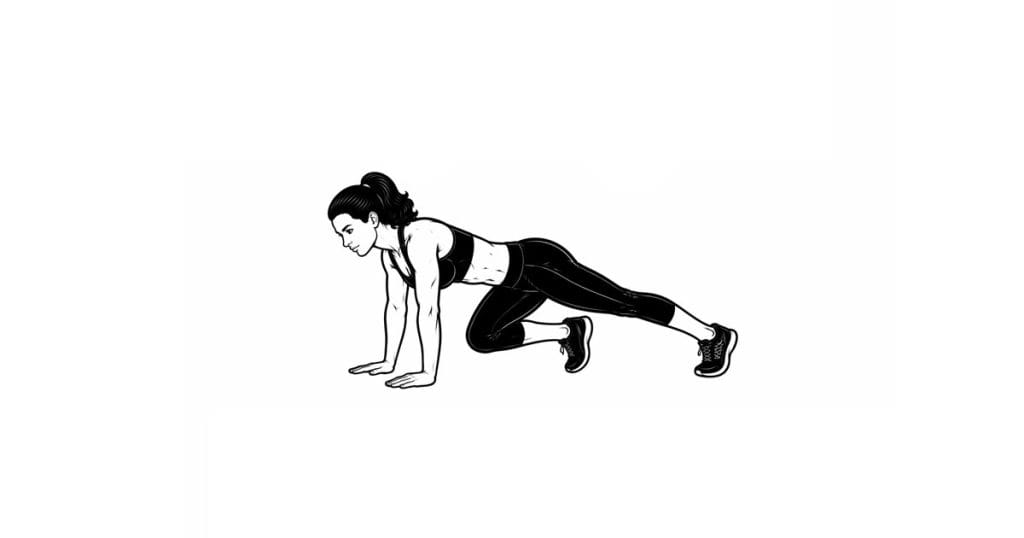
Machine Crunch

Abs/Core

How to do the Machine Crunch

The Machine Crunch is a controlled abdominal isolation exercise that targets the rectus abdominis, providing a safe and effective way to strengthen and sculpt the core. Performed on a seated or upright crunch machine, it allows users to adjust resistance precisely, making it suitable for both beginners building foundational strength and advanced lifters focusing on hypertrophy.

Unlike traditional floor-based ab exercises, the machine crunch offers spinal support and guided movement, reducing strain on the neck and lower back. The key to proper execution is initiating the motion through spinal flexion, not hip flexion, curling the chest toward the pelvis under control, then resisting the weight on the return phase to maintain constant abdominal tension.

This controlled resistance through both contraction and elongation effectively enhances muscle activation and improves core endurance and definition. The machine’s consistent load path helps prevent form breakdown, making it ideal for safe and repeatable progression.

When performed with moderate resistance and proper technique, the machine crunch not only develops a stronger, more defined midsection but also improves postural stability, functional movement, and athletic performance. It serves as an excellent complement to compound lifts and bodyweight core exercises by targeting the abs directly in a structured, low-risk environment.
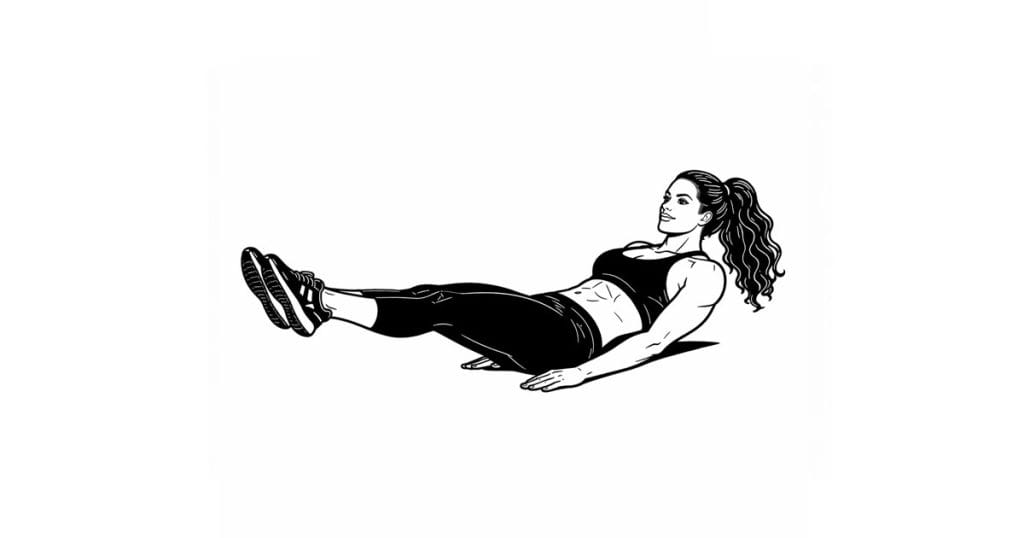
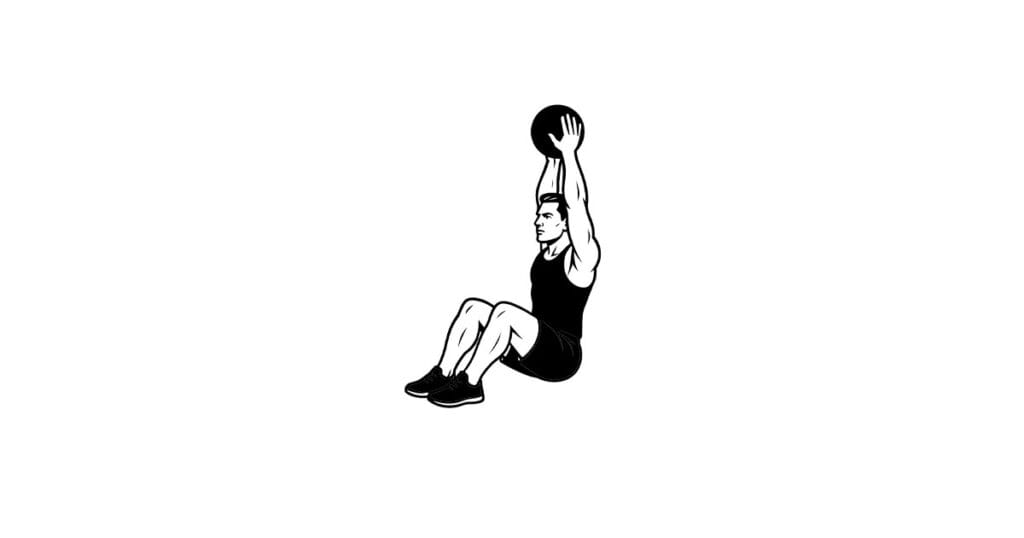
Primary Muscle
Abs/Core
Secondary Muscles
Hip FlexorsObliques
Equipment
Machine
Difficulty
Beginner
Setup Instructions
  • Adjust the seat height so that the pad rests comfortably on your upper chest or shoulders.
  • Select an appropriate resistance level using the machine’s weight stack or pin selector.
  • Sit down with your back pressed against the pad and your feet secured under the foot supports if available.
  • Grip the handles or position your hands as directed by the machine design.
Coaching Cues
  • Focus on curling your spine, not just moving your shoulders.
  • Keep your neck relaxed and avoid pulling with your arms.
  • Control the eccentric phase to maintain constant tension on the abs.
  • Engage your core throughout the movement to prevent lower back strain.
  • Move slowly and deliberately — avoid using momentum.
Execution Steps
  • Inhale and brace your core to prepare for the movement.
  • Exhale as you contract your abdominal muscles to bring your ribcage toward your hips, curling your torso forward.
  • Hold briefly at the bottom of the movement to maximize contraction.
  • Inhale as you slowly return to the starting position, maintaining tension in your core throughout.
  • Repeat for the desired number of repetitions.
Common Mistakes
  • Using too much weight and relying on momentum rather than core control.
  • Pulling with the arms or shoulders instead of contracting the abs.
  • Allowing the lower back to arch excessively during the return phase.
  • Rushing the movement without pausing at the contraction point.
  • Failing to adjust the seat or pad to fit body size properly.
Safety Notes
  • Start with a light resistance to ensure proper form and full control.
  • Avoid jerking or fast movements to reduce risk of lower back strain.
  • Maintain a neutral neck position and avoid excessive flexion.
  • Do not hyperextend the spine when returning to the start position.
  • Ensure the seat and pad are securely locked before beginning.

This website uses cookies to enhance your browsing experience and ensure the site functions properly. By continuing to use this site, you acknowledge and accept our use of cookies.

Accept All Accept Required Only