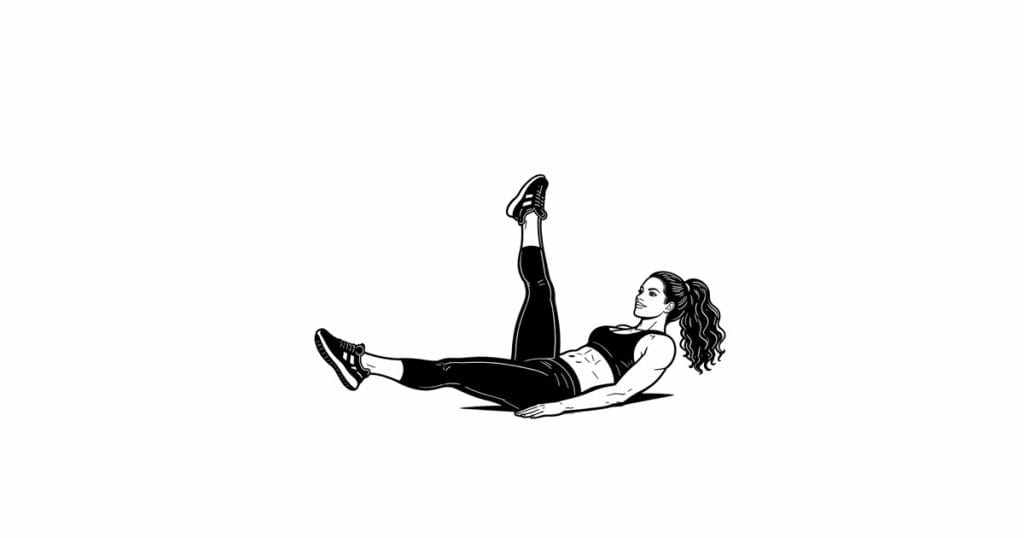
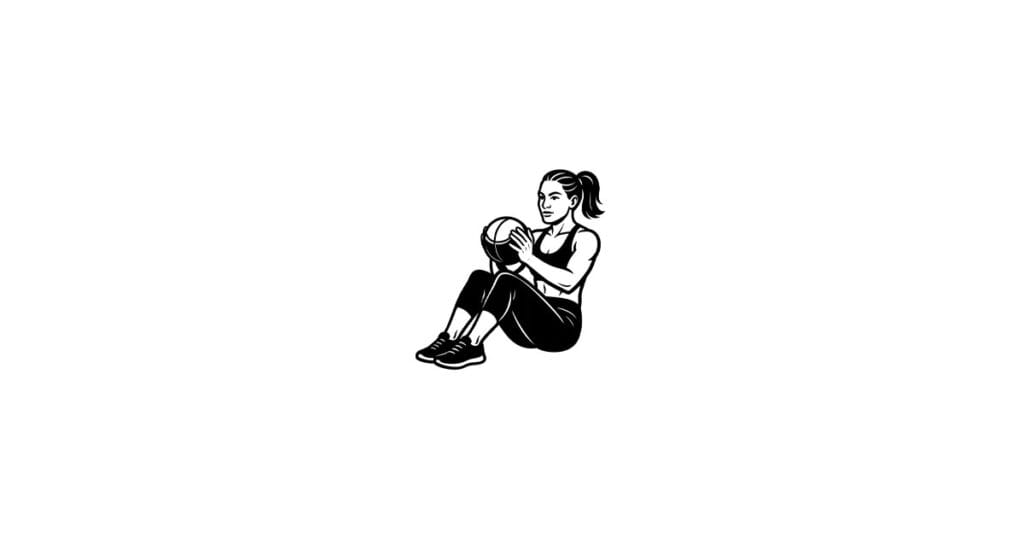
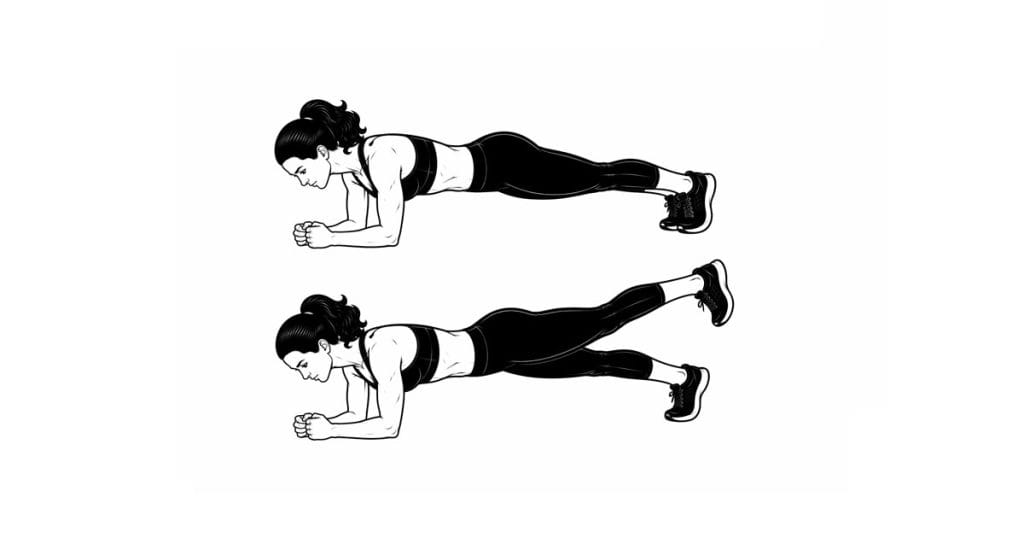
The Band Crunch is a core-strengthening exercise that adds resistance to the traditional crunch, making it more effective for building abdominal strength and stability. By incorporating a resistance band, the exercise increases tension throughout the range of motion, encouraging progressive overload and improved muscle activation compared to bodyweight-only variations.
To perform the movement, anchor a resistance band securely behind you while lying on the floor with knees bent and feet flat. Hold the band across the chest or shoulders, then engage the core and curl the shoulders upward in a controlled crunch. The band provides external resistance, requiring greater effort from the rectus abdominis to lift and stabilize the torso. Unlike a standard crunch, the Band Crunch maintains constant tension on the abs, reducing reliance on momentum and improving muscular engagement.
Proper form is essential for safety and effectiveness. Keep the lower back pressed into the ground, avoid pulling on the band with the arms, and focus on contracting the abs to draw the ribcage toward the pelvis. Breathing is also important, exhale during the contraction and inhale during the return to the starting position.
This exercise can be adjusted in difficulty by changing the band’s thickness, the anchor point, or grip placement. It is suitable for beginners looking to progress beyond bodyweight crunches as well as for more advanced individuals seeking a focused core accessory movement. In addition to strengthening the abs, the Band Crunch supports spinal stability, posture, and athletic performance.
Common mistakes include arching the lower back, pulling on the neck, or using momentum to power through repetitions. To maximize results, perform the movement slowly and with control, keeping tension on the abs throughout. When executed correctly, the Band Crunch provides a safe, efficient, and versatile way to enhance abdominal development and core stability, making it a valuable addition to strength training, fitness, and rehabilitation routines.