The BOSU Plank Step-Over is a dynamic core exercise that combines the anti-extension demands of a high plank with continuous lateral foot movement. Unlike traditional plank variations, your hands remain firmly planted on the floor while your feet repeatedly step from one side of the BOSU trainer to the other. This movement challenges your ability to maintain a stable plank position while resisting rotation, making it an excellent exercise for improving core strength, shoulder stability, balance, coordination, and functional movement.
The primary muscle group targeted during the BOSU Plank Step-Over is the abs and core. The rectus abdominis, transverse abdominis, and deep stabilizing muscles work continuously to keep the spine in a neutral position and prevent the hips from sagging or rotating. Because your legs are moving laterally throughout the exercise, the core must work even harder than it would during a traditional static plank, making this an effective anti-rotation and anti-extension exercise.
Several secondary muscle groups contribute to the movement. The shoulders and chest stabilize the upper body while supporting your body weight through the arms. The glutes help keep the pelvis level and minimize unwanted hip movement, while the hip flexors lift each leg over the BOSU. The quadriceps maintain knee extension and assist with smooth, controlled foot placement, resulting in a full-body exercise that develops both strength and stability.
One of the biggest benefits of the BOSU Plank Step-Over is its ability to improve core stability during movement. Unlike static planks, this variation forces your core to resist rotation while your lower body is constantly changing position. This improves functional strength that transfers well to sports, lifting, and everyday activities where the body must remain stable while the limbs move independently.
Another major benefit is improved balance and coordination. Stepping laterally over the BOSU requires precise foot placement and body control, while the unstable obstacle encourages greater proprioception and neuromuscular coordination. Over time, this can improve movement efficiency, agility, and overall athletic performance.
The exercise also develops shoulder endurance and upper-body stability. Because your hands remain planted throughout the movement, the shoulders, chest, and triceps must continuously stabilize your body while resisting shifts in weight. This helps strengthen the muscles responsible for shoulder stability and improves endurance for other bodyweight exercises.
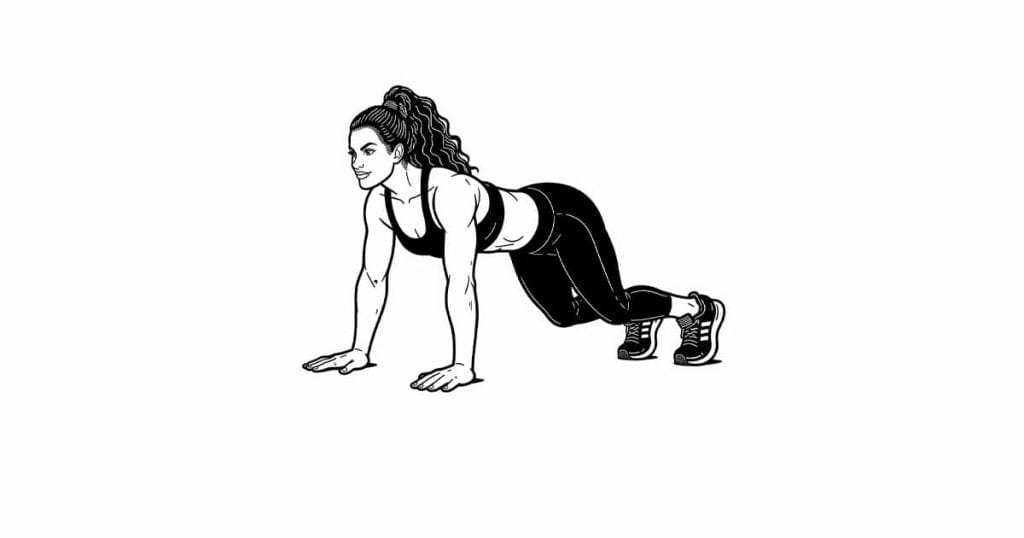
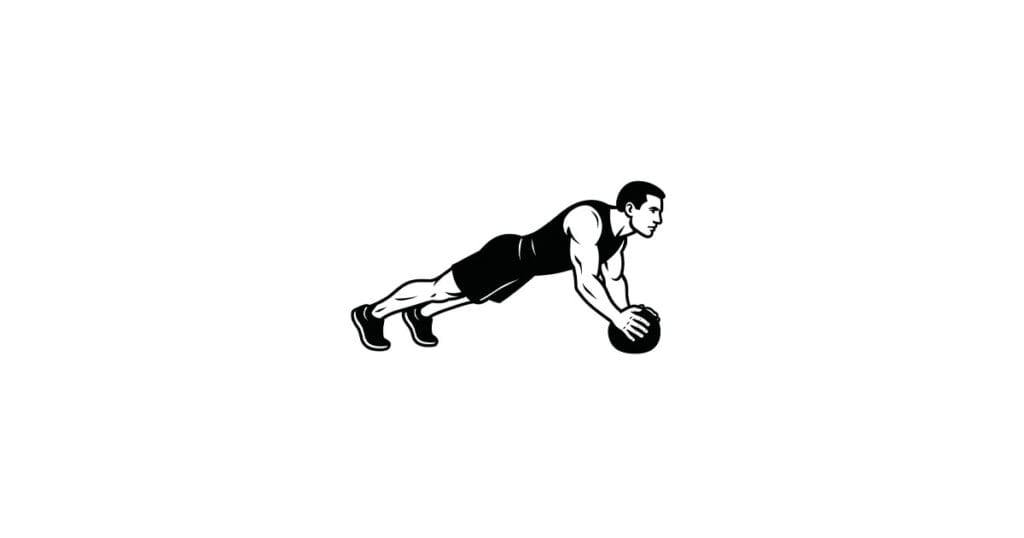
To perform the BOSU Plank Step-Over, place the BOSU dome-side up on a flat, non-slip surface. Begin in a high plank position with your hands directly beneath your shoulders and your feet together on one side of the BOSU. Brace your core, squeeze your glutes, and maintain a straight line from your head to your heels. Step the foot closest to the BOSU over the dome, followed immediately by the opposite foot so both feet land together on the other side. Reverse the movement and continue alternating sides while keeping your upper body as stable as possible.
Proper technique is essential for maximizing the benefits of the exercise. Focus on maintaining a rigid plank position throughout every repetition. Keep your shoulders stacked over your hands, your hips level, and your core fully engaged. Move with slow, controlled steps rather than rushing through the exercise. Quality movement and stability are far more important than speed.
Common mistakes include allowing the hips to sway excessively, letting the lower back arch, or raising the hips too high. Some people also jump over the BOSU instead of stepping, which reduces the stability challenge and often leads to poor control. Another frequent error is allowing the shoulders to drift behind the hands as fatigue sets in. Maintaining consistent alignment throughout the movement ensures the core remains the primary focus.
From a safety perspective, perform the exercise on a stable, non-slip surface and ensure the BOSU remains secure throughout the movement. If maintaining proper plank alignment becomes difficult, slow the tempo or reduce the duration of the set. Beginners may also perform the movement by stepping more slowly until they develop the strength and coordination needed for continuous repetitions.
Overall, the BOSU Plank Step-Over is an excellent progression from the traditional plank that builds core strength, improves shoulder stability, enhances balance, and develops dynamic body control. Its combination of anti-rotation training, lateral movement, and full-body stabilization makes it a valuable addition to functional fitness, athletic conditioning, and advanced core training routines.