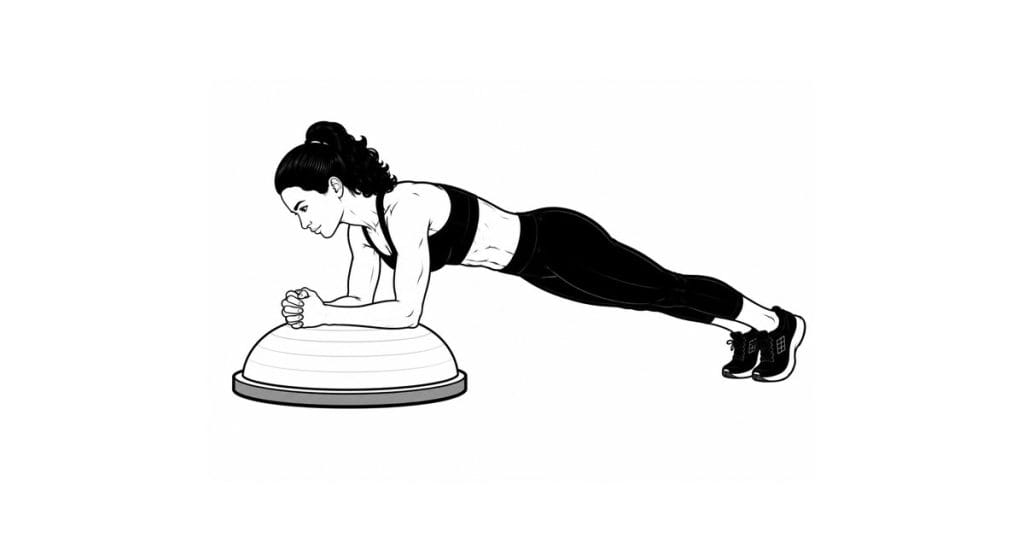
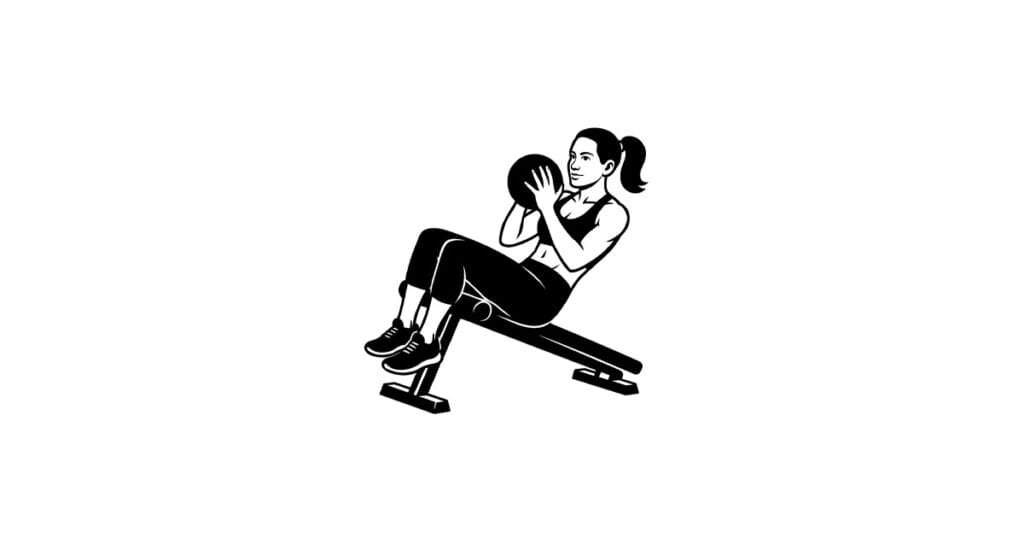
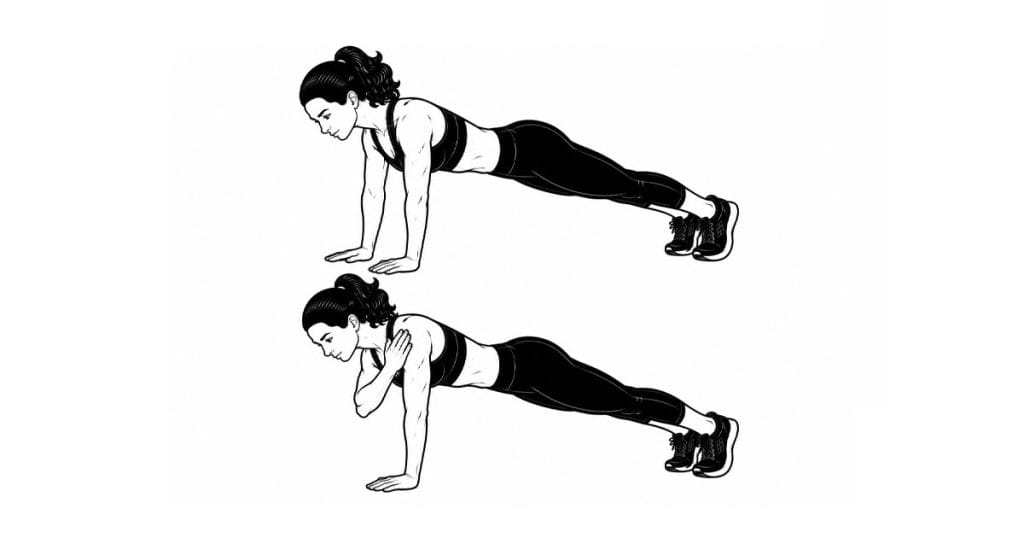
The side-to-side plank is a dynamic core exercise that builds strength, stability, and control through rotational movement. This variation of the traditional plank introduces controlled hip rotation, making it highly effective for targeting the abdominal muscles while also engaging the obliques, shoulders, and glutes. It is commonly used in core training routines to improve functional strength and enhance movement efficiency.
The primary muscle group targeted during the side-to-side plank is the abs or core. The abdominal muscles are responsible for stabilizing the spine and controlling the rotation of the hips. As you move from side to side, the core works continuously to maintain alignment and prevent excessive movement, making this exercise highly effective for building endurance and strength in the midsection.
Secondary muscles play a significant role in supporting the movement. The obliques are heavily involved in controlling the rotational aspect, helping to guide the hips from one side to the other. The shoulders provide stability and support, as they bear much of the body’s weight in the plank position. The glutes contribute to maintaining proper alignment and preventing the hips from sagging or rising too high.
One of the key benefits of the side-to-side plank is its ability to improve core stability under dynamic conditions. Unlike a static plank, this variation requires the body to resist and control movement, which enhances overall core function. This can translate to better performance in activities that involve twisting or shifting weight, such as sports and daily movements.
The exercise also helps develop rotational strength and control. The side-to-side motion challenges the body to maintain balance while moving, which improves coordination and neuromuscular efficiency. This makes it a valuable addition to functional training programs.
Another advantage is its impact on shoulder stability. Supporting your body weight in a plank position requires strong and stable shoulders, and the added movement increases the demand on these muscles. Over time, this can lead to improved upper body strength and endurance.
To perform the side-to-side plank, start in a forearm plank position with your body in a straight line. From there, rotate your hips toward one side, lowering them toward the floor without touching it. Return to the center and repeat on the opposite side. The movement should be controlled and deliberate, focusing on maintaining tension in the core.
Proper technique is essential for maximizing the benefits of this exercise. Keep your core engaged at all times and avoid letting your hips sag or rise too high. The rotation should come from the hips, not the shoulders, to ensure the correct muscles are being targeted.
Common mistakes include moving too quickly, losing core tension, and allowing the shoulders to collapse. These errors can reduce the effectiveness of the exercise and increase the risk of discomfort or injury.
From a safety perspective, it is important to maintain proper alignment and avoid excessive rotation. Performing the exercise on a mat can help reduce pressure on the elbows and improve comfort.
Overall, the side-to-side plank is an effective and versatile core exercise that builds strength, improves stability, and enhances rotational control. Its dynamic nature makes it a valuable addition to any workout focused on core development and functional movement.