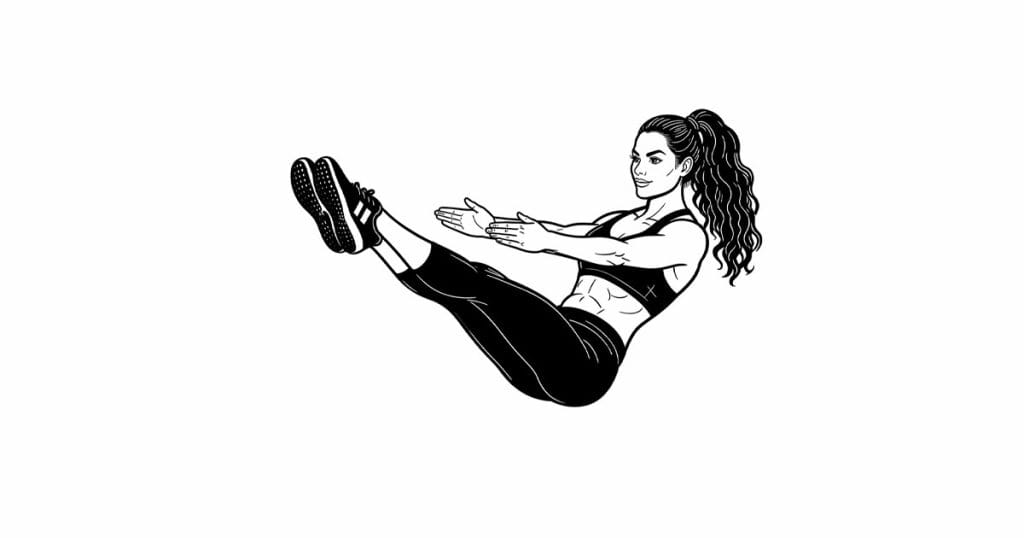
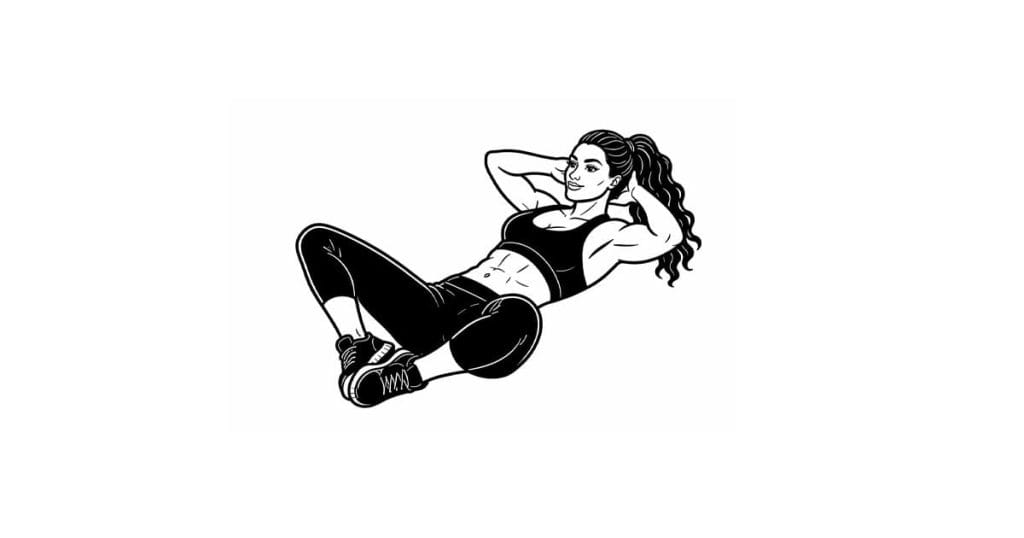
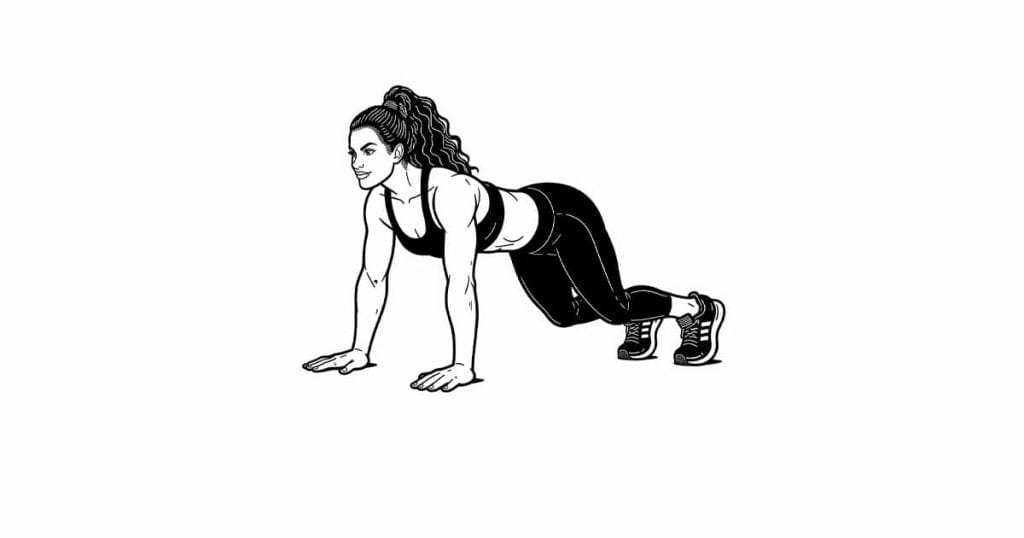
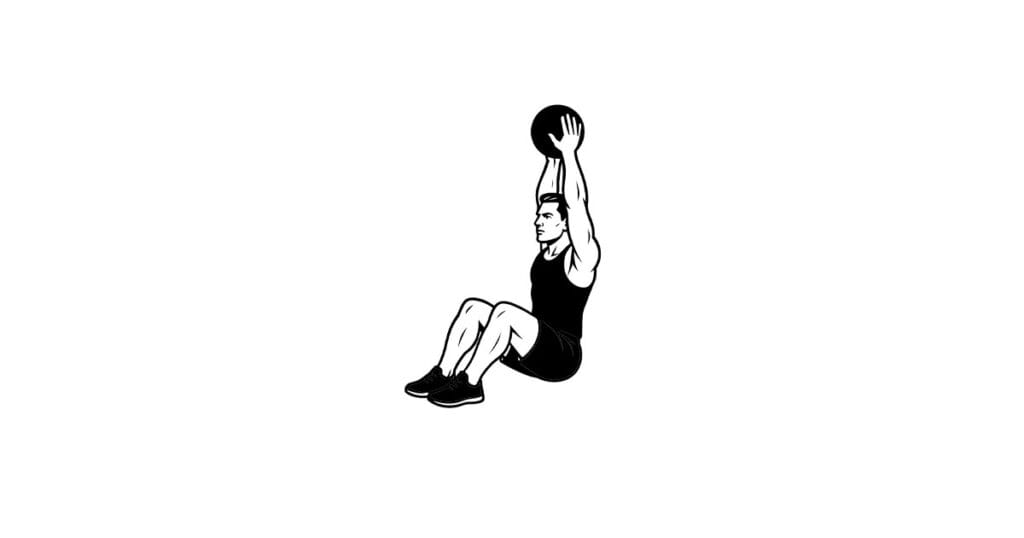
The Medicine Ball Seated Figure 8 is an effective rotational core exercise designed to strengthen the abs, obliques, and hip flexors while improving overall trunk control and coordination. This movement blends stability, mobility, and rotational strength, making it a valuable addition to functional core training sessions. Performed from a seated position, the exercise challenges the body to stabilize the spine as the medicine ball moves through a controlled figure-eight path. This motion creates dynamic tension throughout the core, forcing continuous muscular engagement from multiple angles.
Because the ball crosses the body repeatedly, the obliques play a major role in controlling rotation and preventing excess movement. At the same time, the hip flexors and lower abs help maintain the semi-reclined position, while the shoulders and upper back stabilize the ball isometrically. This combination allows the exercise to target the midsection intensively without overwhelming the arms, making it especially useful for improving midline stability, rotational endurance, and functional strength.
One of the key benefits of the Seated Figure 8 is its ability to reveal imbalances or weaknesses in torso control. The circular pattern requires constant tension rather than momentum, turning the exercise into a highly effective anti-rotation drill. Performing the movement slowly reinforces neuromuscular control and ensures proper technique that carries over into everyday tasks involving bending, twisting, or lifting.
This exercise also supports athletic development by mimicking the rotational patterns used in sports such as tennis, golf, baseball, and martial arts. The fluid movement enhances body awareness and coordination between the upper and lower body. Elevating the feet or balancing in a more reclined position increases the challenge, promoting stronger core stability and resilience.
The Medicine Ball Seated Figure 8 is highly adaptable and suitable for various fitness levels. Beginners can keep their feet on the floor while advanced users may hold a heavier ball or increase the range of motion. Adjusting tempo, load, or complexity allows for simple scaling without compromising safety or technique. Its versatility makes it ideal for core circuits, warm-ups, stability-focused sessions, or targeted abdominal training.
Overall, this movement delivers a focused but dynamic approach to core strengthening. Its ability to build rotational control, enhance stability, and support better posture makes it a functional and valuable exercise for a wide range of training goals.