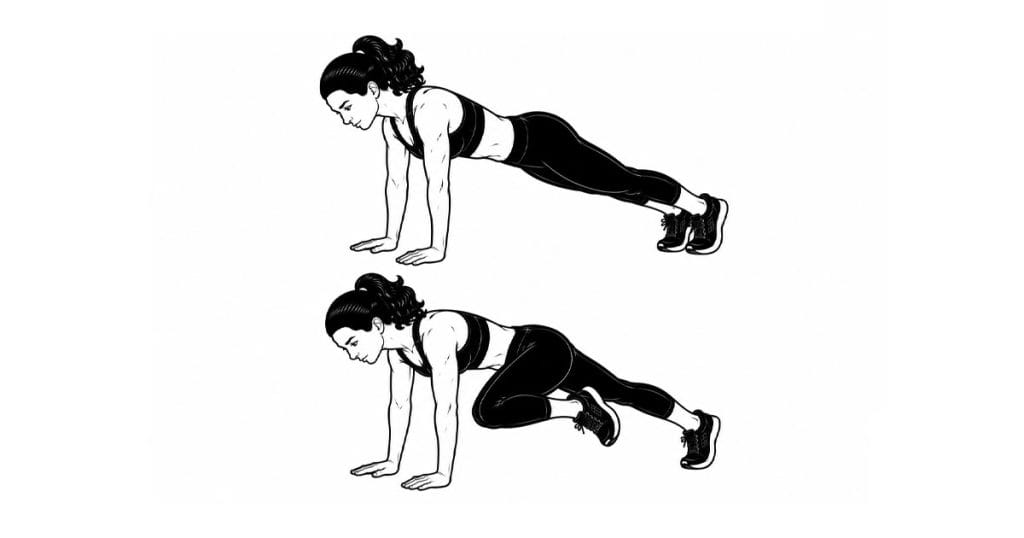
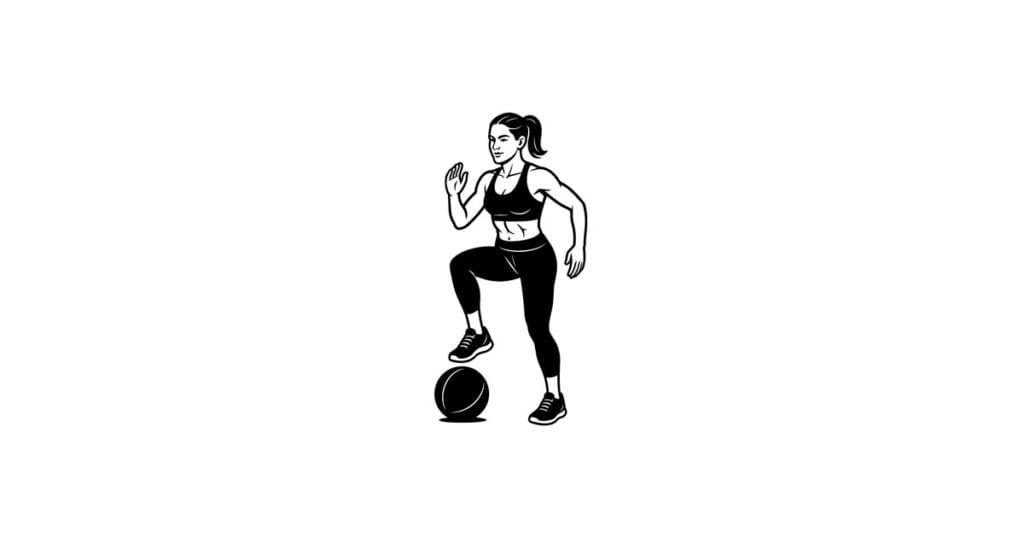
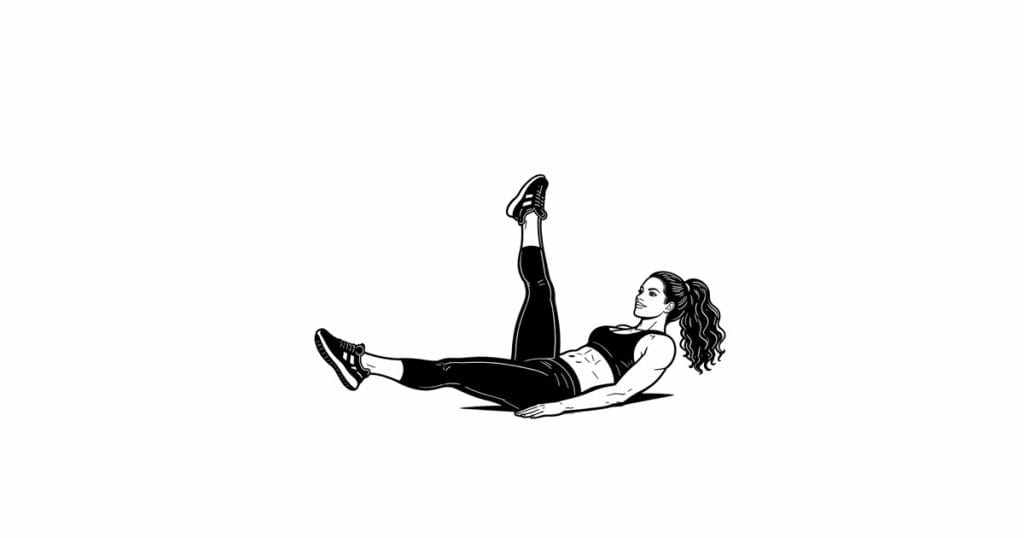
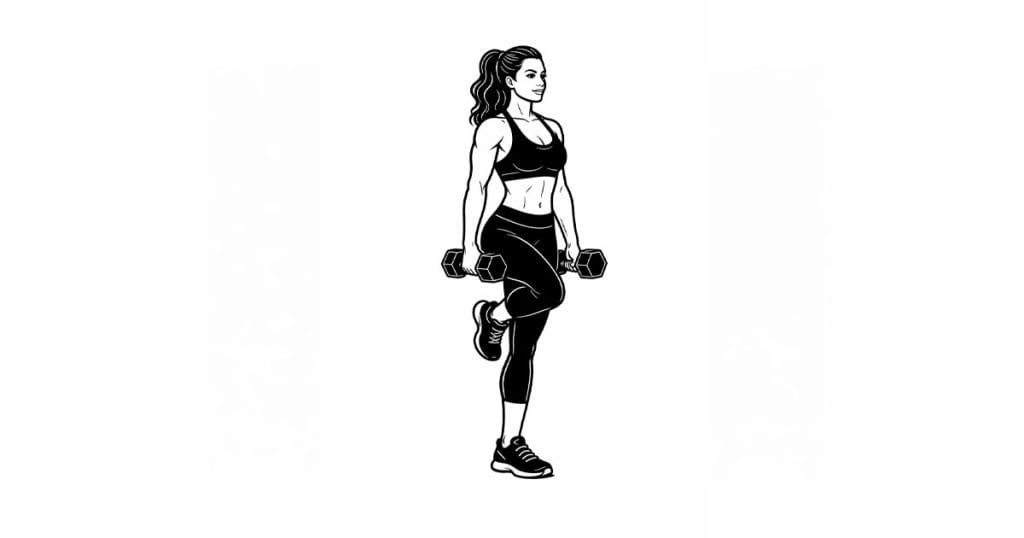
The corkscrew is a dynamic core exercise that emphasizes rotational strength, control, and stability. It builds upon traditional leg raises by adding a circular motion that challenges the abdominal muscles in multiple planes of movement. This makes it an effective exercise for developing not only strength in the core but also improved coordination and control of the hips and lower body.
The primary muscle group targeted in the corkscrew is the abs/core, particularly the lower portion of the abdominal muscles responsible for lifting the hips. Secondary muscles include the obliques, which play a major role in controlling the rotational movement, and the hip flexors, which assist in maintaining leg position and initiating motion. Together, these muscles stabilize the torso while guiding the legs through a controlled circular path.
One of the main benefits of the corkscrew is its ability to train the core through rotation. While many core exercises focus on flexion or static stability, this movement introduces controlled rotational force, which is essential for functional strength and athletic performance. It helps build a more balanced and capable core.
Another advantage is the emphasis on control rather than speed. The movement should be slow and deliberate, increasing time under tension and improving muscular endurance. This also enhances body awareness, as each phase of the movement requires precision and coordination.
Proper technique is essential for effectiveness and safety. Begin with your legs extended vertically and your lower back lightly pressed into the floor. As you lift your hips, guide your legs in a small circular motion, focusing on controlled movement rather than large rotations. Keeping the circles small ensures better muscle engagement and reduces strain.
Maintaining a neutral spine is critical. If the lower back begins to arch excessively, it indicates a loss of control. In that case, reduce the range of motion or modify the exercise to maintain proper alignment.
Breathing should remain steady and controlled. Exhale as you lift and rotate your hips, and inhale as you return to the starting position. This helps maintain rhythm and supports core activation.
Common mistakes include using momentum, making the circles too large, and allowing the lower back to lift off the floor. These errors reduce the effectiveness of the exercise and can increase the risk of discomfort. Focusing on slow, controlled repetitions leads to better results.
From a safety perspective, beginners can modify the exercise by bending the knees to reduce difficulty. Placing the hands on the floor for light support can also improve stability and control.
The corkscrew can be included in core-focused workouts, Pilates routines, or functional training programs. Its combination of rotation, control, and strength makes it a valuable addition for developing a strong and well-rounded core.
Overall, the corkscrew is an effective and challenging exercise that enhances core strength, coordination, and stability. Its unique rotational component makes it especially beneficial for improving functional movement and overall core performance.