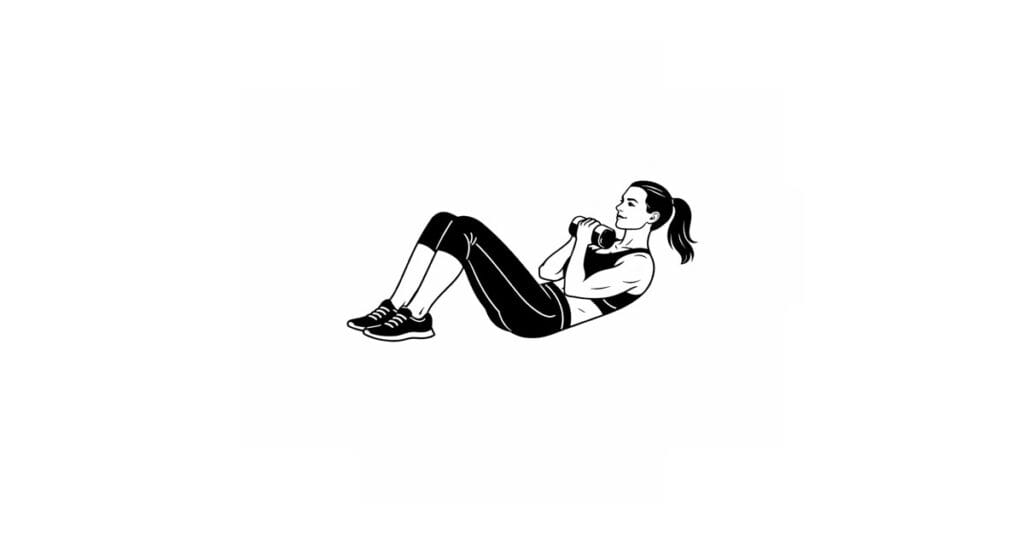
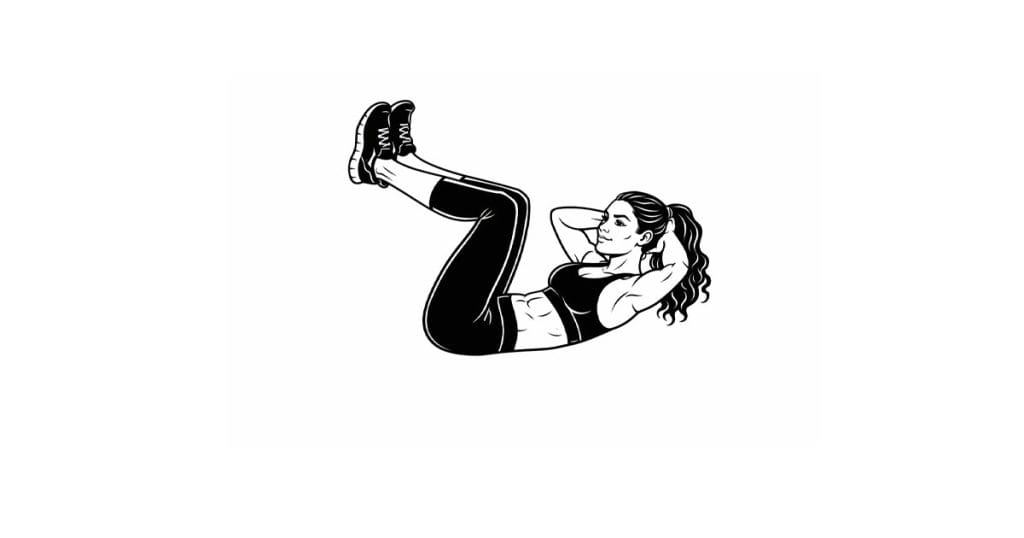
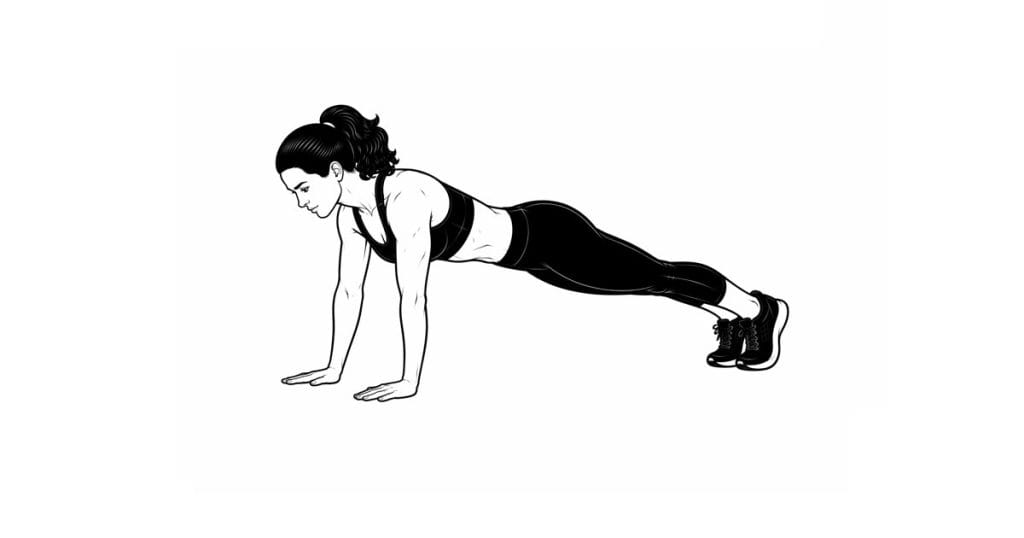
The Medicine Ball Decline Sit-up is a powerful core-strengthening exercise that increases abdominal engagement by combining the decline bench position with the added resistance of a medicine ball. The decline angle places the torso below the hips, lengthening the range of motion and intensifying both the lowering and lifting phases of the movement. This setup requires greater control, stability, and effort, helping develop stronger, more defined abdominal muscles. Adding a medicine ball further increases resistance, stimulating deeper muscle activation and reinforcing strength under load.
This exercise primarily targets the rectus abdominis, the main muscle responsible for trunk flexion and the classic “six-pack” appearance. Secondary muscles, including the obliques and hip flexors, assist with stabilization and movement control. Because the decline position amplifies the stretch on the abs at the bottom of the rep, each sit-up becomes more challenging and deliberate compared to a traditional floor variation. This makes the Medicine Ball Decline Sit-up an excellent progression for individuals who have already mastered standard bodyweight core exercises.
The movement is highly versatile and easily scalable. Beginners can hold the medicine ball close to their chest to reduce leverage and make the exercise more manageable. More advanced lifters can extend the ball outward or increase its weight to enhance intensity. Athletes often incorporate this exercise to build a resilient core capable of supporting heavy lifting, rotational power, and overall athletic performance.
Proper technique is crucial to prevent excessive strain on the lower back or overreliance on the hip flexors. Keeping the motion controlled, avoiding momentum, and initiating the sit-up by lifting the ribcage rather than pulling from the neck ensures the abdominal muscles remain the primary drivers. When performed correctly, the Medicine Ball Decline Sit-up helps build a strong, stable, and powerful midsection that boosts both aesthetic development and functional strength.