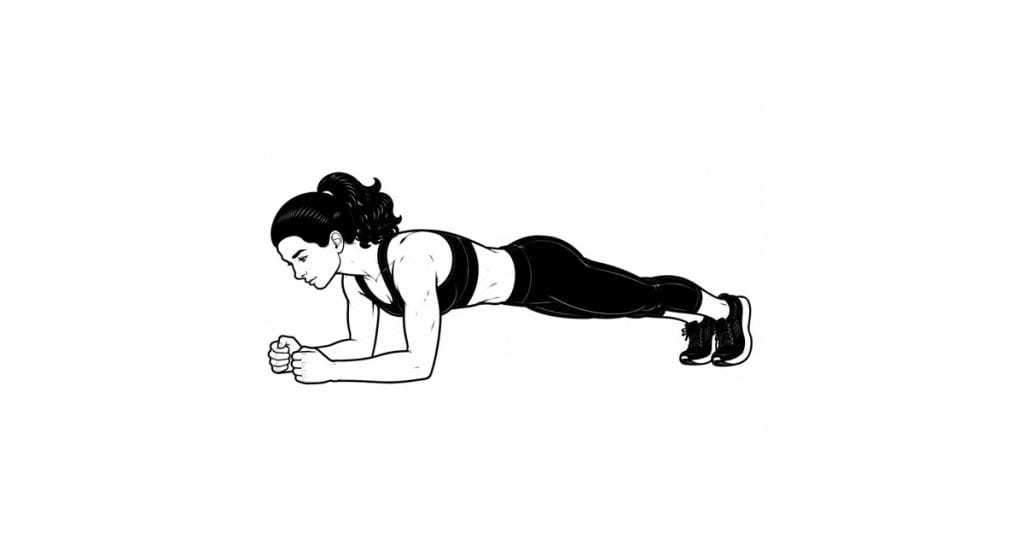
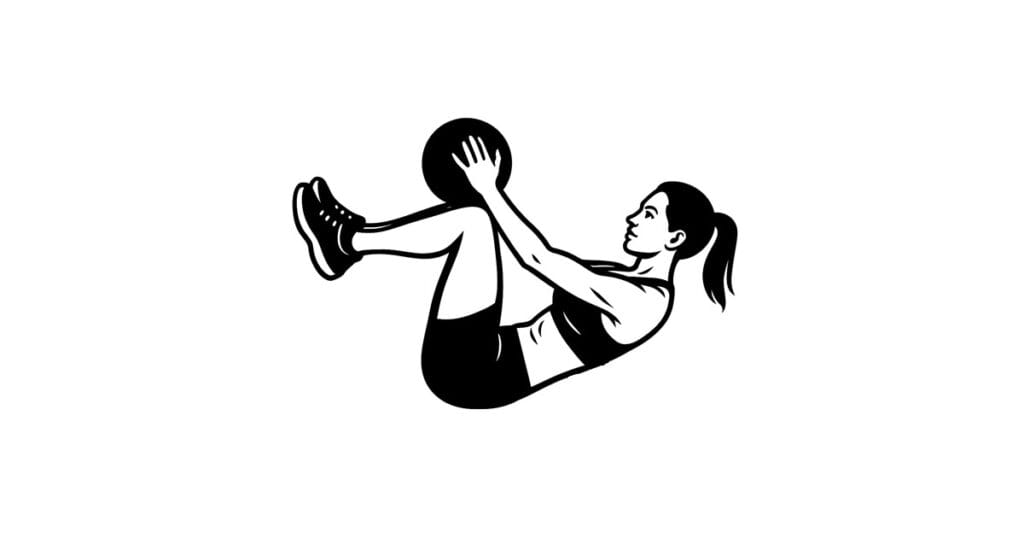
The Cable Reverse Crunch is an effective core-strengthening exercise that targets the lower portion of the abdominal muscles while reinforcing pelvic control and spinal stability. By incorporating cable resistance instead of relying on bodyweight alone, this variation maintains consistent tension throughout the entire range of motion, increasing the challenge and overall effectiveness of the movement.
Unlike traditional crunches that emphasize spinal flexion, the Cable Reverse Crunch focuses on posterior pelvic tilt and controlled hip lift. This places greater demand on the lower fibers of the abs and the deep core muscles responsible for stabilizing the pelvis and lower spine. Because the cable actively pulls the legs away from the body, the abs must stay engaged during both the lifting and lowering phases, increasing time under tension.
The exercise is typically performed lying on the floor with the head positioned away from the cable machine. A cable attachment is secured around the ankles or feet, creating resistance that pulls the legs downward. From the starting position, the core is braced, and the pelvis is curled upward, lifting the hips slightly off the floor. The emphasis should be on drawing the pelvis toward the ribcage rather than swinging or forcefully pulling the knees inward.
Proper execution is essential for maximizing results and minimizing strain. The lower back should remain in contact with the floor as much as possible, and the movement should be slow and deliberate. Using momentum or rushing through repetitions shifts tension away from the abs and increases stress on the lower back and hip flexors. Exhaling during the lifting phase can help reinforce abdominal engagement and improve control.
The Cable Reverse Crunch is particularly useful for individuals looking to strengthen the lower abs, improve pelvic awareness, and enhance overall core stability. It fits well into strength-focused core routines and can also support athletic performance by improving trunk control and force transfer. Due to the added resistance and coordination required, it is generally best suited for intermediate trainees.
When performed consistently with proper technique and appropriate resistance, the Cable Reverse Crunch helps build stronger abdominal muscles, supports better posture, and enhances performance in compound movements that rely on a stable and controlled core.