Plank tucks are a dynamic core exercise that builds strength, stability, and control through a combination of plank positioning and knee tuck movement. This bodyweight exercise is highly effective for targeting the abs and core while also engaging multiple supporting muscle groups. By adding movement to a traditional plank, plank tucks increase the challenge and provide a more functional approach to core training.
The primary muscle group worked during plank tucks is the abs and core. The rectus abdominis is responsible for flexing the spine and assisting in drawing the knees toward the chest, while the transverse abdominis stabilizes the torso and protects the lower back. Maintaining core engagement throughout the movement is essential to keep proper alignment and maximize effectiveness.
Secondary muscles include the hip flexors, shoulders, glutes, and quads. The hip flexors play a key role in pulling the knees inward, while the shoulders and triceps stabilize the upper body in the plank position. The glutes and quads help maintain alignment and prevent excessive movement through the hips. This full-body engagement makes plank tucks a compound exercise that improves coordination and muscular endurance.
One of the main benefits of plank tucks is their ability to train core strength under movement. Unlike static planks, this exercise requires the core to stabilize while the legs are moving, increasing the demand on the muscles. This helps improve functional strength, which translates to better performance in daily activities and athletic movements.
Another advantage is improved coordination and body control. The movement pattern requires the upper and lower body to work together, enhancing overall balance and control. This makes plank tucks a valuable addition to any routine focused on building a strong and stable core.
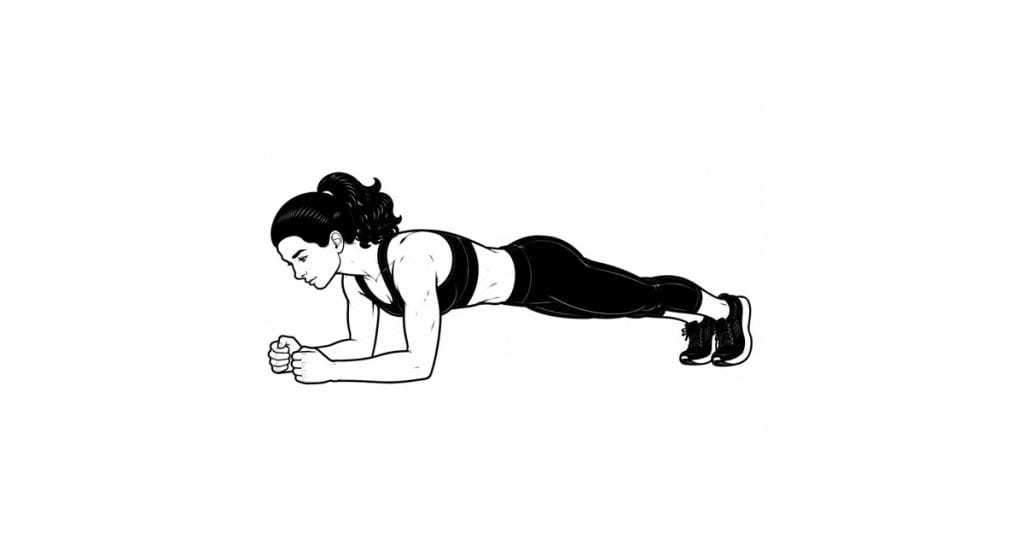
To perform plank tucks correctly, begin in a high plank position with your hands under your shoulders and your body in a straight line. Engage your core and glutes before initiating the movement. Draw your knees toward your chest in a controlled manner, then extend your legs back to the starting position. The movement should be smooth and deliberate, avoiding any jerking or excessive momentum.
Proper technique is essential for maximizing the benefits of this exercise. Focus on keeping your hips stable and your spine neutral throughout the movement. Avoid letting your hips rise too high or sag downward, as this can reduce core engagement and place unnecessary stress on the lower back.
Common mistakes include rushing through repetitions, failing to fully extend the legs between reps, and allowing excessive movement through the hips. These errors can reduce the effectiveness of the exercise and increase the risk of strain. Slowing down the movement and maintaining control ensures better results.
From a safety perspective, maintaining core engagement is key to protecting the lower back. Performing the exercise on a stable surface and using controlled movements can help reduce the risk of injury. If the exercise feels too challenging, reducing the speed or range of motion can make it more manageable.
Overall, plank tucks are an effective and versatile exercise for building core strength, improving stability, and enhancing overall body control. Their dynamic nature makes them a valuable addition to any bodyweight training routine focused on developing a strong and functional core.