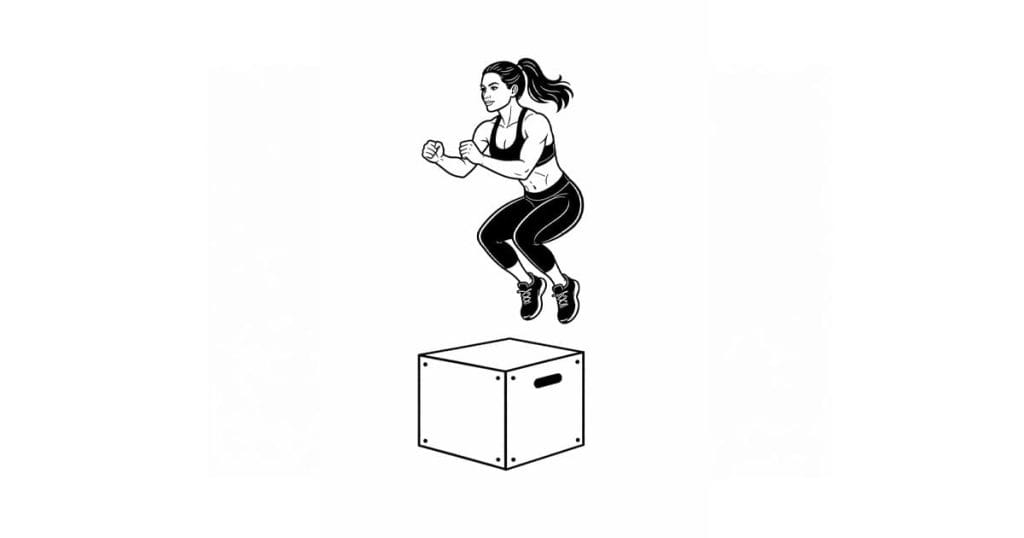
Lateral ski jumps are a dynamic plyometric exercise that builds lower body power, agility, and coordination through explosive side-to-side movement. This exercise mimics the motion of a skier shifting weight from one leg to the other, making it highly effective for developing lateral strength and balance. Lateral ski jumps are commonly used in athletic training, conditioning workouts, and high-intensity routines due to their ability to challenge both muscular and cardiovascular systems.
The primary muscle group targeted in lateral ski jumps is the quadriceps. These muscles are responsible for extending the knee during takeoff and controlling the landing phase. The repeated jumping and landing pattern places continuous demand on the quads, helping to build strength and power over time.
Secondary muscle groups play a critical role in executing the movement efficiently. The glutes are heavily involved in generating force and stabilizing the hips during each jump. The hamstrings assist in controlling the descent and supporting knee stability, while the calves provide the explosive push needed for each lateral leap. The core muscles remain engaged throughout to maintain balance and proper alignment.
One of the key benefits of lateral ski jumps is their ability to improve agility. Unlike traditional vertical jumps, this exercise emphasizes side-to-side movement, which is essential for sports and activities that require quick changes in direction. Training lateral movement patterns helps enhance coordination and responsiveness.
Lateral ski jumps also improve balance and single-leg stability. Landing on one foot requires control and strength, especially when transitioning quickly into the next jump. This helps develop better joint stability and reduces the risk of injury during dynamic movements.
Another major benefit is the development of explosive power. The rapid push-off and landing phases train the muscles to generate force quickly, making this exercise effective for improving speed and athletic performance. The continuous nature of the movement also increases heart rate, adding a cardiovascular component.
To perform lateral ski jumps, start in a slightly bent athletic stance. Push off one foot and jump laterally to the opposite side, landing on the other foot with your trailing leg moving behind. Absorb the impact by bending your knee, then immediately push off again in the opposite direction.
Proper technique is essential for maximizing effectiveness and reducing injury risk. Focus on landing softly, keeping your knees aligned with your toes, and maintaining control throughout the movement. Your arms should move naturally to help with balance and momentum.
Common mistakes include landing stiff-legged, allowing the knees to collapse inward, and jumping too vertically instead of laterally. These errors can reduce the effectiveness of the exercise and increase stress on the joints.
From a safety perspective, it is important to start with smaller, controlled jumps and gradually increase intensity. Performing the exercise on a stable surface and wearing appropriate footwear can help minimize impact-related stress.
Overall, lateral ski jumps are a highly effective exercise for improving lower body power, agility, and coordination. Their emphasis on lateral movement makes them a valuable addition to any training program, especially for those looking to enhance athletic performance and functional strength.