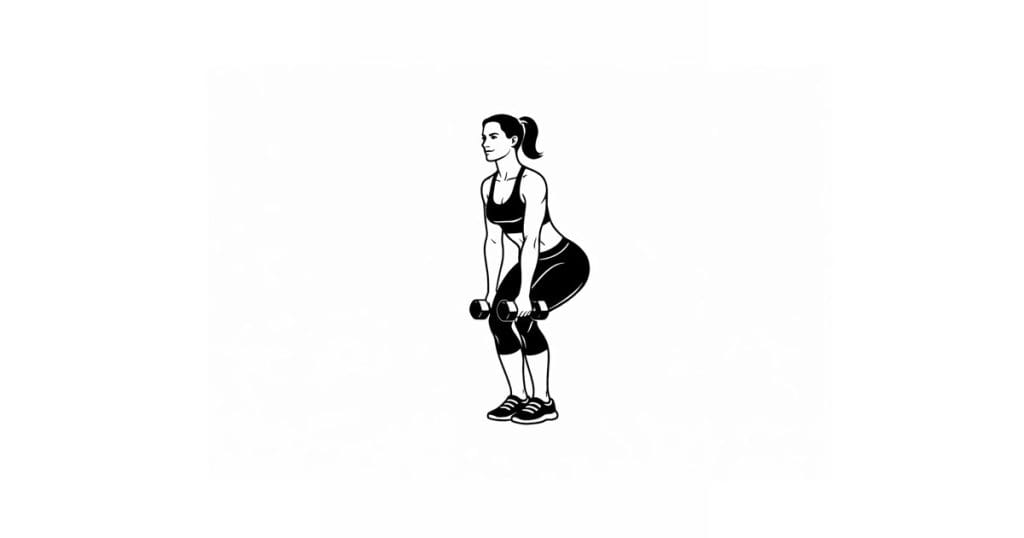
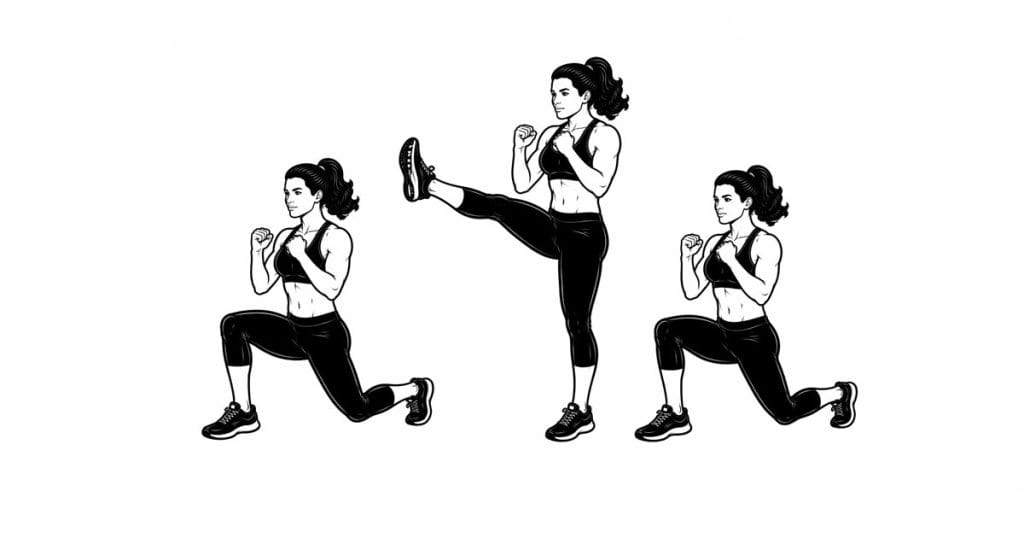
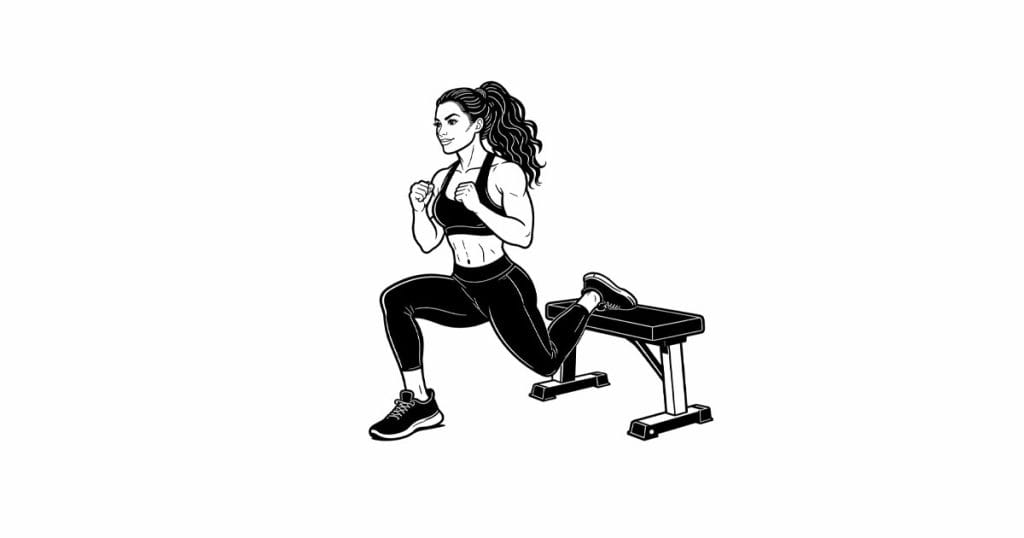
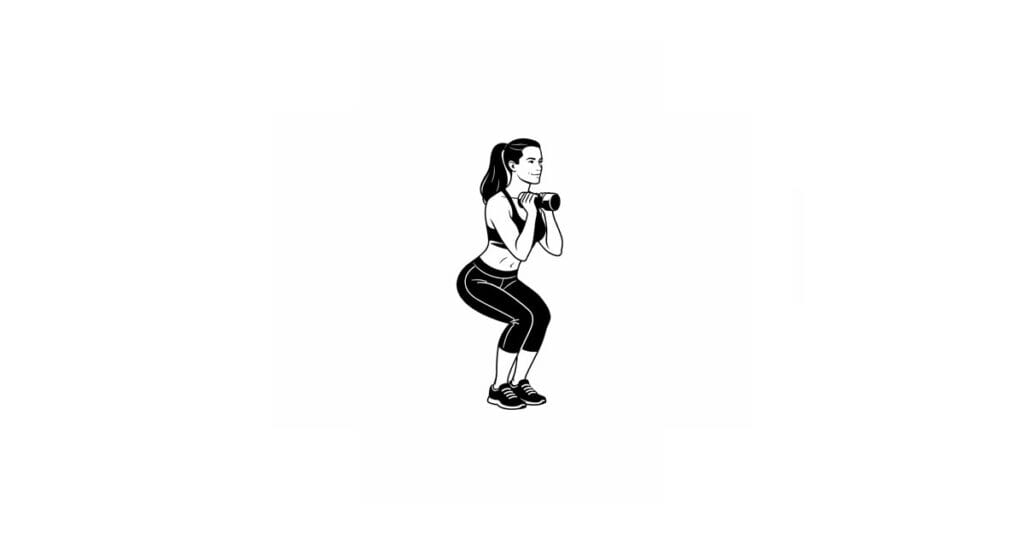
Chair pose is a foundational bodyweight exercise that develops lower body strength, core stability, and balance through a controlled, squat-like position. By mimicking the motion of sitting back into a chair while maintaining an upright torso, this movement places continuous tension on the muscles, making it an effective way to build strength and endurance without the need for equipment.
The quadriceps are the primary muscles targeted, working to support the body in a bent-leg position and control the depth of the movement. The glutes and hamstrings assist in stabilizing the hips and maintaining alignment, creating a balanced effort across the lower body. This combination helps improve overall leg strength and functional movement capacity.
In addition to lower body engagement, chair pose requires strong core activation. The abdominal and lower back muscles work together to stabilize the spine and maintain proper posture. This prevents excessive rounding or arching and ensures that the movement remains controlled and efficient. The arms and shoulders also contribute when held overhead, adding an element of upper body endurance and stability.
One of the key benefits of chair pose is improved muscular endurance. Holding the position requires sustained contraction of the lower body and core, helping build resilience and stamina in these muscle groups. This can translate to better performance in other exercises and daily activities that require strength and stability.
Another important advantage is enhanced balance and coordination. Maintaining the position requires even weight distribution through the feet and continuous engagement of stabilizing muscles. This improves overall body control and supports better movement mechanics.
Chair pose also reinforces proper squat mechanics. By encouraging the hips to move back while keeping the chest lifted, it helps develop good movement habits that carry over into other lower body exercises. This can reduce the risk of injury and improve efficiency in functional movements.
Proper technique is essential for maximizing benefits. Keeping the weight in the heels helps engage the correct muscles and reduces strain on the knees. Maintaining a neutral spine and engaged core supports alignment, while the arms should remain active but relaxed to avoid unnecessary tension.
Common mistakes include letting the knees collapse inward, shifting weight onto the toes, or rounding the back. These issues can decrease effectiveness and increase the risk of discomfort. Focusing on alignment and controlled movement helps ensure proper execution.
From a safety perspective, it is important to stay within a comfortable range of motion. Adjusting the depth of the position can help accommodate different mobility levels, especially for those with knee or lower back concerns. Controlled breathing also supports stability and reduces excess tension.
Overall, chair pose is a simple yet powerful exercise for building lower body strength, improving balance, and reinforcing proper movement patterns. Its accessibility and effectiveness make it a valuable addition to any fitness or mobility routine.