The Barbell Seated Good Morning is a strength exercise that primarily targets the glutes, with secondary activation of the hamstrings, lower back, and core. Performed from a seated position on a bench, this variation reduces hamstring involvement compared to the standing good morning due to the flexed knee angle, shifting greater emphasis to the glutes and spinal erectors.
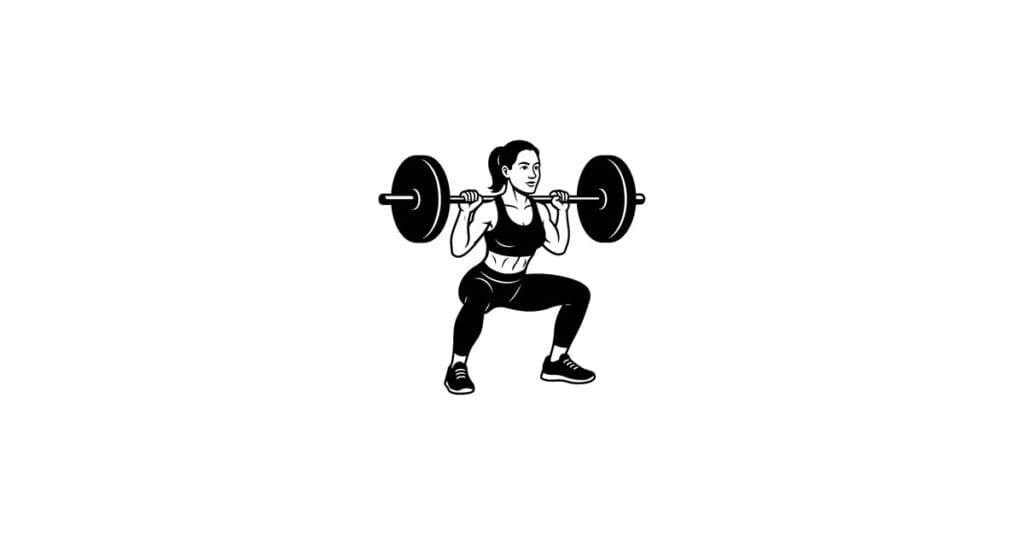
To execute the movement, the barbell is placed across the upper back in a back squat position. The lifter hinges forward at the hips while maintaining a neutral spine, lowering the torso until it approaches parallel with the floor. After a brief pause, the glutes drive the torso back to an upright seated posture. Because leg drive is eliminated, the seated position forces strict hip hinge mechanics, making the exercise highly effective for isolating the glutes while also reinforcing trunk stability under load.
Proper technique is essential to maximize benefits and minimize risk. The spine must remain neutral, the core braced, and hip movement controlled throughout the range of motion. Common mistakes include rounding the lower back, leaning excessively forward without engaging the hips, or allowing the feet to lose contact with the floor. For safety, lifters should start with moderate to light loads until technique is mastered, progressing gradually as strength improves.
The Barbell Seated Good Morning is particularly valuable for athletes and lifters seeking to enhance glute strength, posterior chain stability, and hip hinge awareness. By isolating the hinge pattern in a seated position, it develops strength and control that transfers to squats, deadlifts, and athletic movements. Used as an accessory lift, it provides both hypertrophy and stability benefits, making it a unique yet effective addition to lower-body and accessory training programs.