The Cable Deadlift is a hip-dominant strength exercise that primarily targets the glutes while also engaging the hamstrings, lower back, and core stabilizers. Performed using a low cable pulley, this movement reinforces proper hip hinge mechanics while providing consistent resistance throughout the entire range of motion. The cable setup encourages controlled execution and continuous tension, making it a useful alternative to traditional free-weight deadlifts.
Unlike barbell deadlifts, the cable deadlift applies resistance from behind the body, naturally pulling the hips backward during the lowering phase. This resistance pattern helps reinforce correct hinging mechanics by encouraging a posterior weight shift and strong glute engagement. As a result, the exercise is especially effective for developing glute strength and improving awareness of hip-driven movement.
The glutes act as the primary drivers, extending the hips as the body returns to an upright position. The hamstrings assist by controlling hip flexion during the descent, while the lower back works isometrically to stabilize the spine. The core plays a key role in maintaining posture and preventing excessive spinal movement, making the exercise beneficial for building trunk stability alongside lower-body strength.
Proper setup is essential for maximizing effectiveness and minimizing strain. Setting the pulley at the lowest position ensures the resistance aligns with the hip hinge pattern. Stepping forward slightly creates consistent tension at the start of each repetition and prevents slack in the cable. Maintaining a neutral spine, braced core, and relaxed shoulders helps keep the movement focused on the hips rather than the arms or lower back.
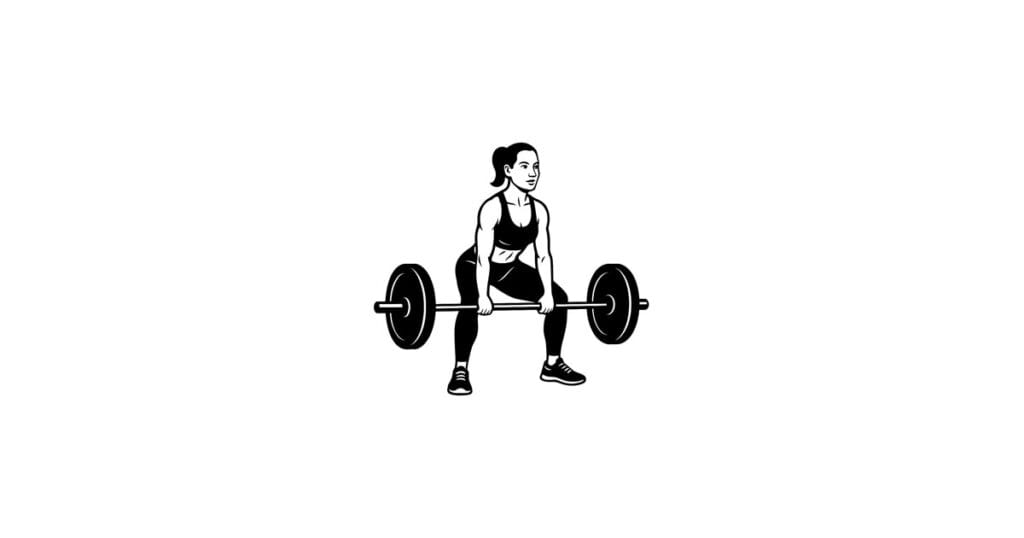
During execution, the emphasis should be on pushing the hips backward while keeping the chest tall and the spine neutral. The knees should bend slightly but remain relatively stable, clearly distinguishing the movement from a squat. Driving the hips forward to stand reinforces strong hip extension and glute contraction. Finishing the movement by standing tall, rather than leaning backward, helps maintain proper alignment.
The controlled nature of the cable deadlift makes it well-suited for refining technique and reinforcing consistent movement patterns. Because the cable provides constant tension, the muscles remain engaged even at the top and bottom of the movement. This promotes a deliberate tempo and improved control compared to exercises where tension may decrease at certain points.
Another advantage of the cable deadlift is its joint-friendly profile. The guided resistance and moderate loading typically used allow for effective muscle activation without excessive stress on the spine. This makes it a practical option for developing posterior chain strength while emphasizing form and control.
The exercise also offers versatility in stance width, handle type, and range of motion. Small adjustments can be made to accommodate individual comfort and mobility while preserving the same fundamental hip hinge pattern. This adaptability allows the cable deadlift to remain effective across a wide range of body types and experience levels.
Overall, the Cable Deadlift is an effective posterior chain exercise that builds glute strength, reinforces proper hip mechanics, and promotes core stability. When performed with controlled technique and proper alignment, it serves as a reliable tool for improving lower-body strength and movement quality using consistent cable resistance.