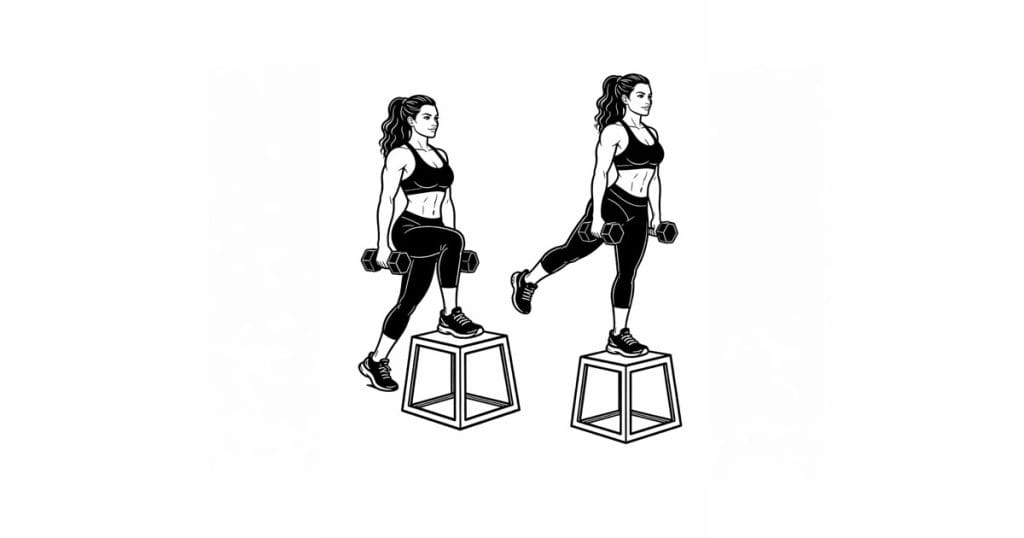
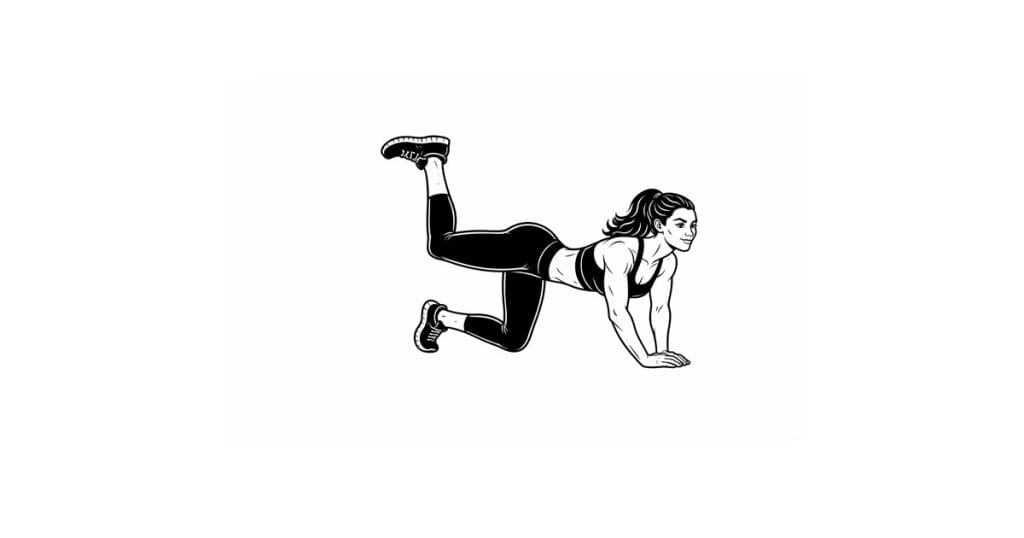
The Cable Glute Extension is a targeted lower-body exercise designed to isolate and strengthen the glute muscles through controlled hip extension. Performed standing with a low cable pulley and ankle attachment, this movement emphasizes driving the leg backward from the hip while maintaining a stable torso and neutral spine. Unlike more dynamic leg exercises, the cable glute extension prioritizes strict hip motion to maximize glute activation and muscular control.
The primary muscle worked during this exercise is the gluteus maximus, which plays a crucial role in hip extension, posture, and lower-body power. The hamstrings assist with hip extension, while the core works isometrically to stabilize the pelvis and prevent excessive spinal movement. This combination makes the exercise effective for building glute strength and improving hip control without the need for heavy loading.
One of the key benefits of the cable glute extension is the constant resistance provided by the cable. Tension is maintained throughout the entire range of motion, including the bottom position, where bodyweight movements often lose effectiveness. This continuous load increases time under tension and encourages precise muscle engagement, especially when the movement is performed slowly and under control.
Proper setup is essential for maximizing results. Facing the cable machine ensures the resistance pulls the working leg forward, requiring the glutes to actively extend the hip against the load. Holding onto a stable support allows greater focus on execution rather than balance. Maintaining an upright posture with the ribs down and core braced helps prevent compensation from the lower back.
During execution, the movement should be driven entirely by the hip. The working leg extends backward in a smooth, controlled path while the pelvis remains square. Excessive range of motion is unnecessary and often leads to lower-back arching instead of increased glute activation. Briefly pausing at the top of the movement reinforces glute contraction and improves mind-muscle connection.
The return phase should be slow and deliberate. Allowing the cable to pull the leg forward under control maintains tension on the glutes and reinforces proper movement mechanics. Rushing the eccentric portion reduces effectiveness and may place unnecessary stress on the hip joint.
This exercise is particularly effective for reinforcing glute activation and improving hip extension mechanics. Because it limits momentum and emphasizes strict form, moderate resistance is typically sufficient. Using excessive weight often leads to compensatory patterns such as torso lean or spinal extension, which reduce glute involvement.
The Cable Glute Extension also supports improved posture and overall movement quality. Strong glutes help stabilize the pelvis and contribute to better mechanics during walking, running, and compound lower-body exercises. By isolating the glutes in a controlled setting, this movement reinforces proper muscle function and coordination.
Overall, the Cable Glute Extension is a simple yet highly effective exercise for targeting the glutes through pure hip extension. When performed with proper alignment and controlled tempo, it builds glute strength, enhances hip stability, and reinforces efficient lower-body movement patterns.