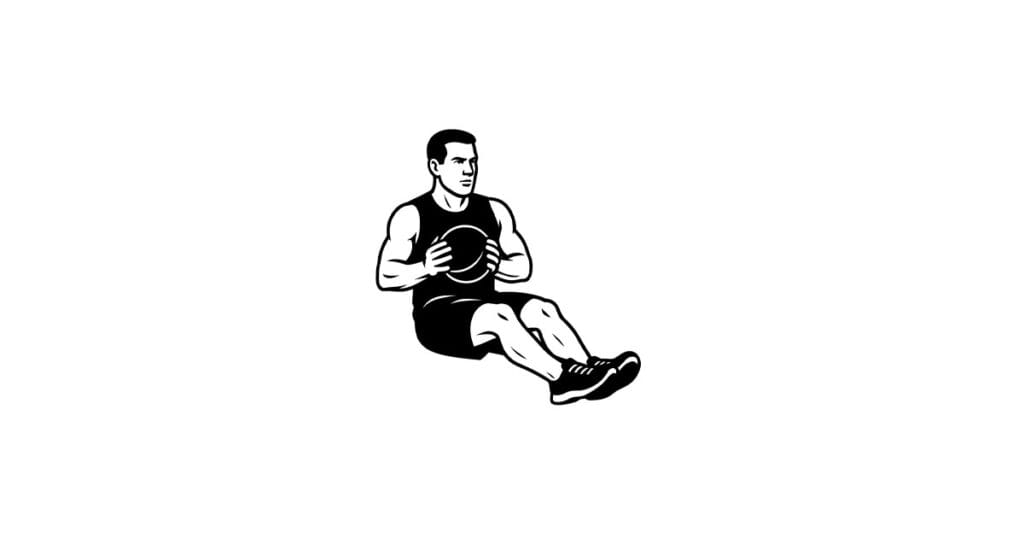
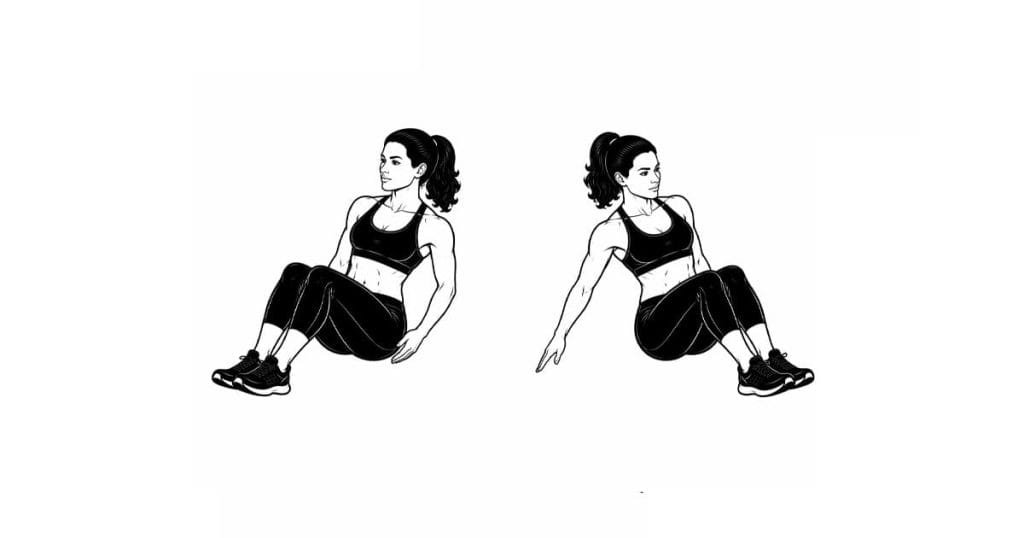
The seated oblique stretch is a simple yet effective exercise designed to improve flexibility and mobility along the sides of the torso. This stretch primarily targets the obliques, which are the muscles located along the sides of the abdomen. It also engages the core, lower back, and shoulders to a lesser extent, making it a well-rounded movement for enhancing upper body mobility and posture.
This stretch is commonly performed in a seated position, either on the floor or on a chair, making it accessible for individuals of all fitness levels. The seated position provides a stable base, allowing you to focus on proper alignment and controlled movement. This makes it particularly useful for beginners or those looking to improve flexibility without placing excessive stress on the body.
One of the primary benefits of the seated oblique stretch is its ability to increase lateral flexibility in the spine. Many daily activities and exercises involve forward and backward movement, but side-to-side mobility is often neglected. This stretch helps address that imbalance by promoting range of motion in the lateral plane.
In addition to improving flexibility, the seated oblique stretch can help enhance posture. By encouraging an upright seated position and spinal lengthening, it reinforces proper alignment of the spine. This can be especially beneficial for individuals who spend long periods sitting, as it helps counteract the effects of slouching and tightness in the torso.
The movement begins with sitting tall and establishing a neutral spine. From this position, one arm is raised overhead while the opposite hand provides support on the ground. The torso is then gently bent to the side, creating a stretch along the obliques and side body. The emphasis should be on lengthening the body upward before bending sideways.
Breathing plays an important role in this stretch. Slow, controlled breathing helps relax the muscles and allows for a deeper, more effective stretch. Each inhale can be used to lengthen the spine, while each exhale can help deepen the stretch slightly without forcing the movement.
Proper technique is essential to maximize the benefits and reduce the risk of discomfort. Both hips should remain grounded throughout the stretch to ensure that the movement is coming from the torso rather than compensating through the lower body. The chest should remain open, and the movement should be directly lateral rather than forward or backward.
Common mistakes include collapsing the chest, lifting one hip, and leaning out of alignment. These errors can reduce the effectiveness of the stretch and place unnecessary strain on the body. Focusing on controlled movement and proper positioning helps avoid these issues.
From a safety perspective, the stretch should always be performed within a comfortable range of motion. It is important to avoid forcing the stretch or pushing into pain. Individuals with existing back or shoulder issues should modify the movement as needed and prioritize comfort.
Overall, the seated oblique stretch is a valuable addition to any flexibility or mobility routine. It helps improve lateral movement, supports better posture, and promotes relaxation through controlled breathing. Its simplicity and effectiveness make it suitable for a wide range of individuals, from beginners to more experienced practitioners looking to maintain mobility and balance in their training.