Penguin heel reaches are a simple yet effective core exercise designed to target the oblique muscles through controlled side-to-side movement. This bodyweight exercise is commonly used in core workouts, warm-ups, and beginner routines due to its accessibility and ability to isolate the side abdominal muscles without requiring any equipment. It is particularly useful for improving core endurance, stability, and muscle awareness.
The primary muscle group activated during penguin heel reaches is the obliques. These muscles run along the sides of the abdomen and are responsible for lateral flexion and stabilization of the torso. Strengthening the obliques is essential for improving overall core function, supporting the spine, and enhancing performance in movements that involve twisting or side bending.
Secondary muscles, including the rectus abdominis and deeper core stabilizers, assist in maintaining the lifted position of the upper body. These muscles help keep the torso stable and prevent excessive movement, ensuring that the obliques remain the focus of the exercise.
One of the key benefits of penguin heel reaches is improved core endurance. Because the movement is performed in a continuous, controlled manner, it helps build muscular stamina in the abdominal region. This can translate to better performance in other exercises and daily activities that require sustained core engagement.
Another important benefit is enhanced lateral stability. The side-to-side motion trains the body to control movement in the frontal plane, which is often overlooked in traditional core exercises. This type of stability is important for maintaining balance and preventing injury during dynamic movements.
Penguin heel reaches are also effective for developing mind-muscle connection. The controlled nature of the exercise allows individuals to focus on engaging the obliques and feeling the muscles work with each repetition. This can lead to improved technique and more effective workouts over time.
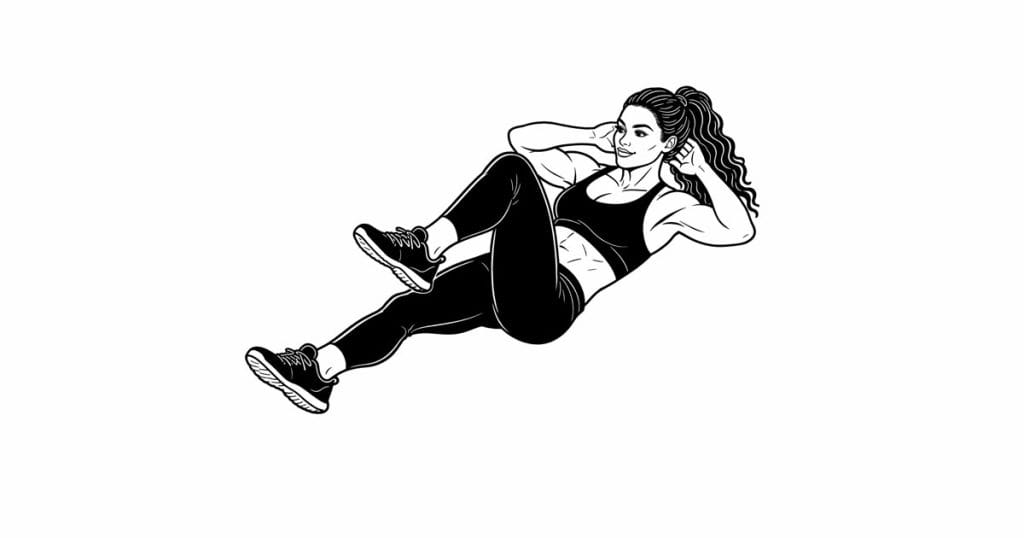
To perform the exercise, lie on your back with your knees bent and feet flat on the ground. Lift your shoulders slightly and reach side-to-side toward your heels, alternating between left and right. Keep your movements controlled and avoid using momentum.
Proper form is essential for maximizing the benefits of penguin heel reaches. Focus on keeping your shoulders elevated and your core engaged throughout the movement. Avoid dropping back to the floor between repetitions, as this reduces tension on the muscles.
Common mistakes include rushing through the movement, relying on arm reach instead of torso movement, and lifting the feet off the ground. These errors can decrease effectiveness and reduce the engagement of the target muscles.
From a safety perspective, it is important to maintain a neutral neck position and avoid excessive strain. Keeping the movement controlled and within a comfortable range will help ensure a safe and effective exercise.
Overall, penguin heel reaches are a practical and efficient exercise for strengthening the obliques, improving core endurance, and enhancing lateral stability. Their simplicity and effectiveness make them a valuable addition to any core-focused routine.