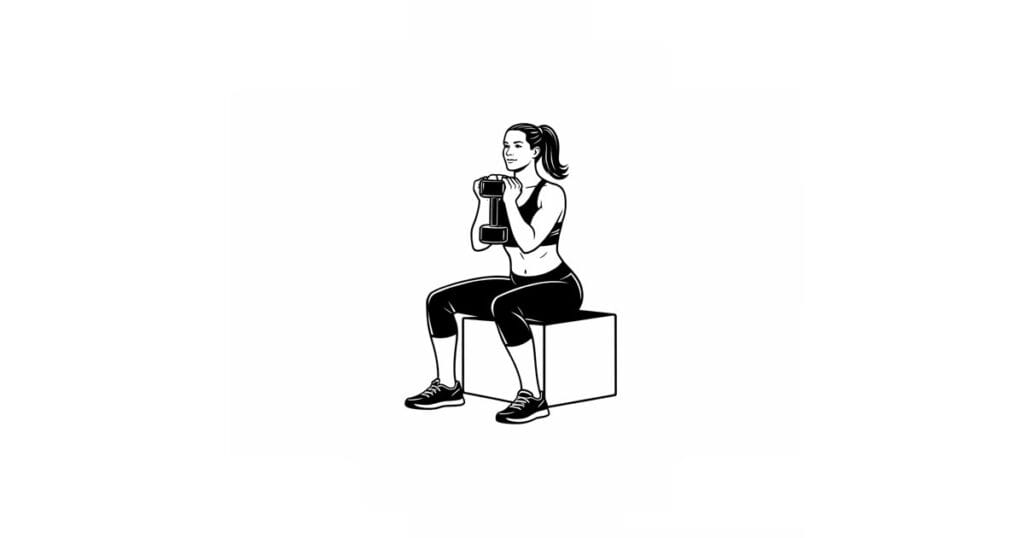
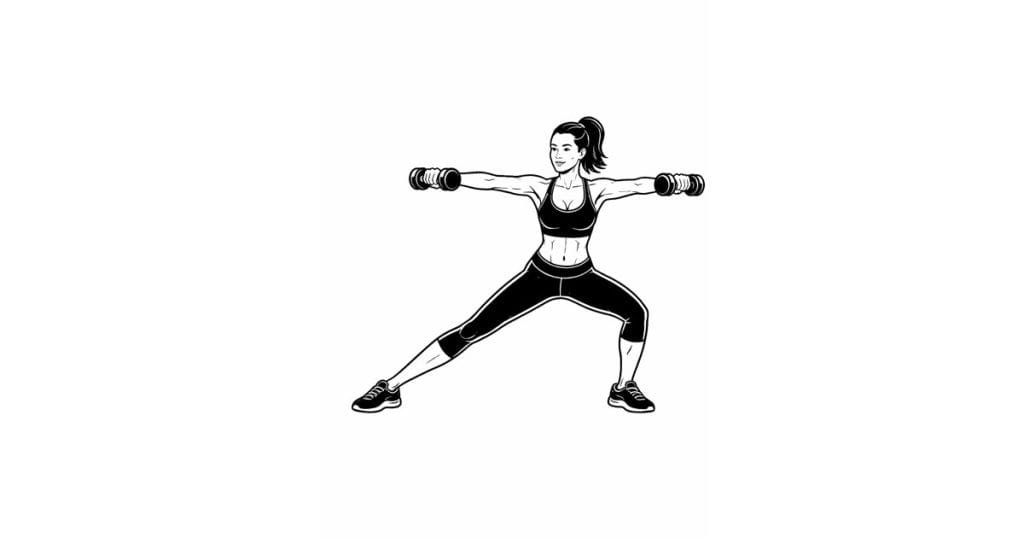
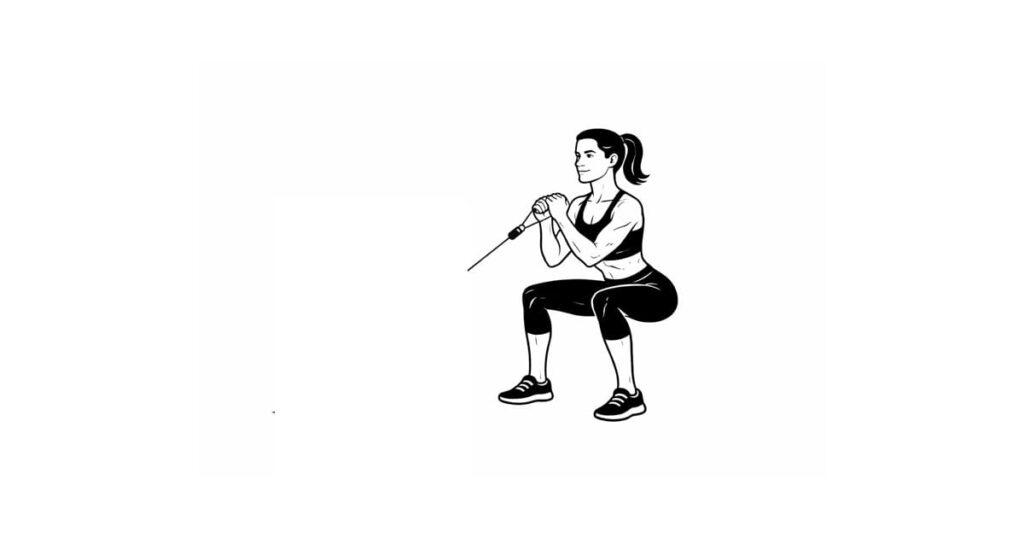
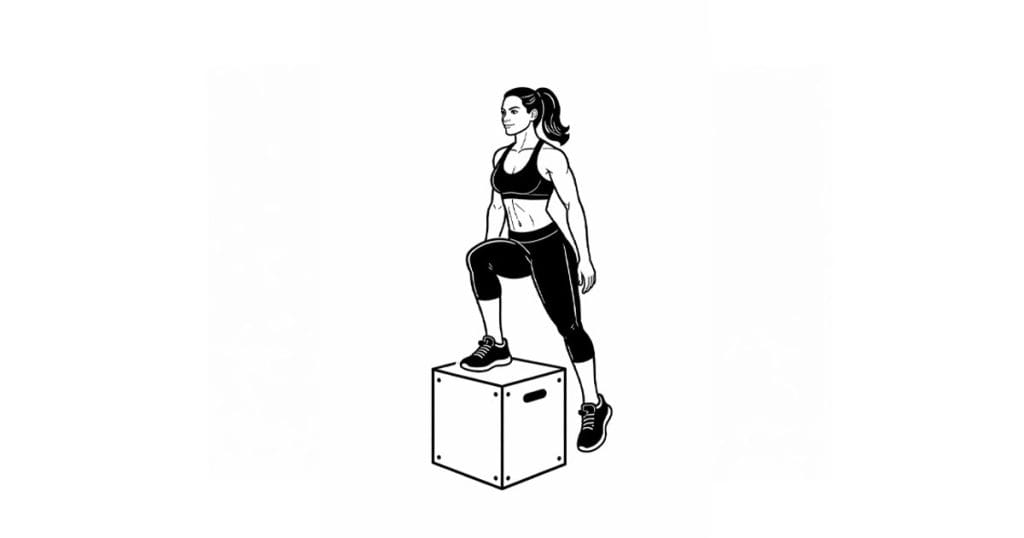
The Reverse Lunge on BOSU is a functional lower-body exercise that combines the strength-building benefits of a traditional reverse lunge with the balance challenge of an unstable surface. By standing on the dome of a BOSU trainer with the front foot while stepping the opposite leg backward into a lunge, this exercise forces the body to stabilize through the ankle, knee, hip, and core during every repetition. The result is a movement that improves lower-body strength, balance, coordination, and joint stability while reinforcing proper single-leg movement mechanics.
The primary muscle group targeted during the Reverse Lunge on BOSU is the quadriceps. These muscles control the lowering phase of the lunge and generate the force needed to extend the knee as you return to the starting position. Because the front foot is positioned on the unstable BOSU dome, the quadriceps must also work harder to maintain stability throughout the movement, increasing overall muscle activation compared to a standard reverse lunge.
Several secondary muscle groups contribute to the exercise. The glutes play a major role in hip extension and pelvic stabilization, while the hamstrings assist in controlling the descent and supporting the hip during the movement. The calves and small stabilizing muscles surrounding the ankle remain highly active as they respond to the instability of the BOSU. At the same time, the abs and core work continuously to maintain an upright torso and prevent unnecessary movement through the spine, creating a full-body stabilization exercise.
One of the biggest benefits of the Reverse Lunge on BOSU is its ability to improve balance and proprioception. Standing on the unstable BOSU surface forces the body to make constant adjustments through the supporting leg, enhancing neuromuscular coordination and improving the body’s ability to react to changes in position. This makes the exercise particularly valuable for athletes and anyone looking to improve functional movement and injury resilience.
Another important benefit is the development of unilateral strength. Since each leg works independently, the exercise helps identify and correct strength and stability imbalances between the left and right sides of the body. Building balanced lower-body strength can improve athletic performance, reduce the risk of injury, and enhance movement efficiency during everyday activities such as walking, climbing stairs, and changing direction.
The Reverse Lunge on BOSU also strengthens the muscles responsible for joint stability. The unstable surface increases activation of the stabilizing muscles surrounding the ankles, knees, and hips, helping improve joint control and movement quality. This makes the exercise an excellent addition to functional fitness programs, sports performance training, and advanced balance routines.
To perform the Reverse Lunge on BOSU, place the BOSU dome-side up on a flat, stable surface. Stand with one foot centered on the dome while the opposite foot remains on the floor. Brace your core, lift your chest, and establish your balance before beginning the movement. Step the free leg backward into a reverse lunge while maintaining control through the supporting leg. Lower until both knees reach approximately 90 degrees, or as far as your mobility allows while maintaining proper alignment. Press through the heel of the front foot to return to the starting position, maintaining balance throughout each repetition before repeating on the same side.
Proper technique is essential for maximizing the effectiveness of this exercise. Keep your front knee aligned with your toes throughout the movement, maintain an upright torso, and move slowly with control. Focus on driving through the heel of the front foot rather than relying on the back leg to push yourself forward. Smooth, deliberate repetitions improve muscle activation and help develop better balance.
Common mistakes include allowing the front knee to collapse inward, leaning excessively forward, pushing off mainly with the back leg, or rushing through the movement without controlling the BOSU. Another frequent error is placing the supporting foot too close to the edge of the dome, reducing stability and making balance more difficult. Maintaining proper foot placement and controlled movement ensures better results while reducing injury risk.
From a safety perspective, beginners should first become comfortable standing and balancing on the BOSU before attempting lunges. Perform the exercise on a stable, non-slip surface and prioritize proper technique over repetition count. If balance becomes difficult, reduce the depth of the lunge or hold onto a stable object until sufficient stability and confidence are developed.
Overall, the Reverse Lunge on BOSU is an excellent exercise for building lower-body strength, improving balance, enhancing joint stability, and reinforcing proper single-leg movement patterns. Its combination of strength, coordination, and stability makes it a valuable addition to functional fitness programs, athletic training, rehabilitation progressions, and lower-body strength routines.