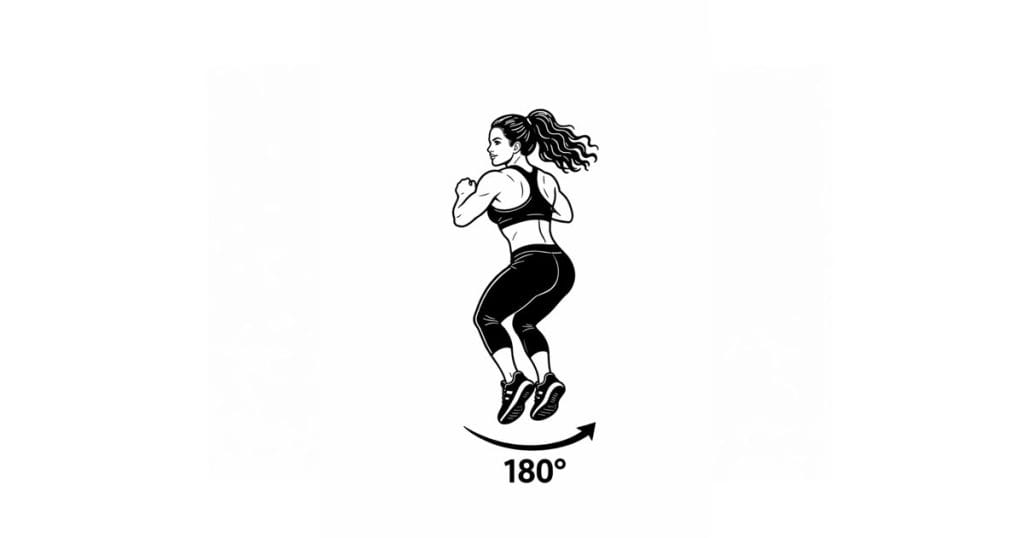
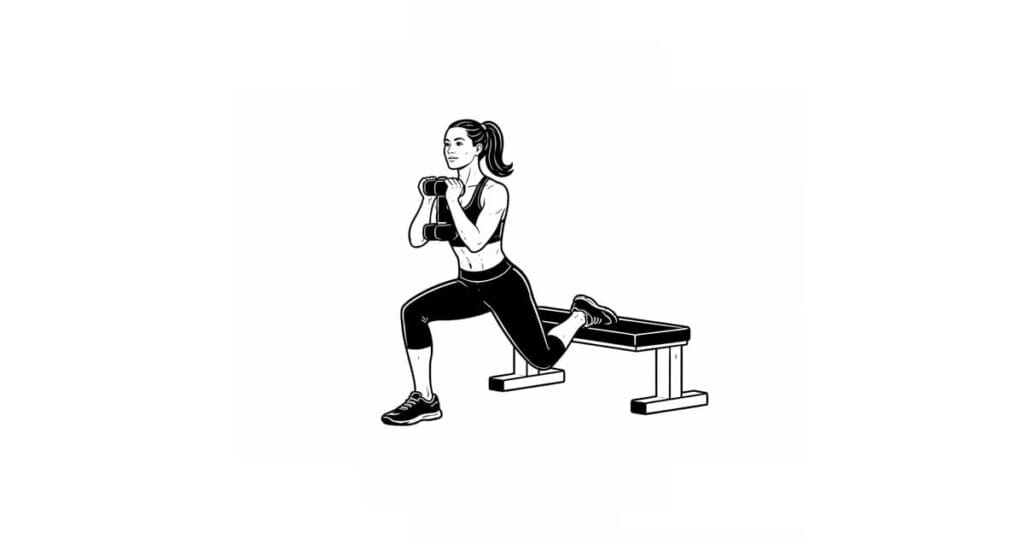
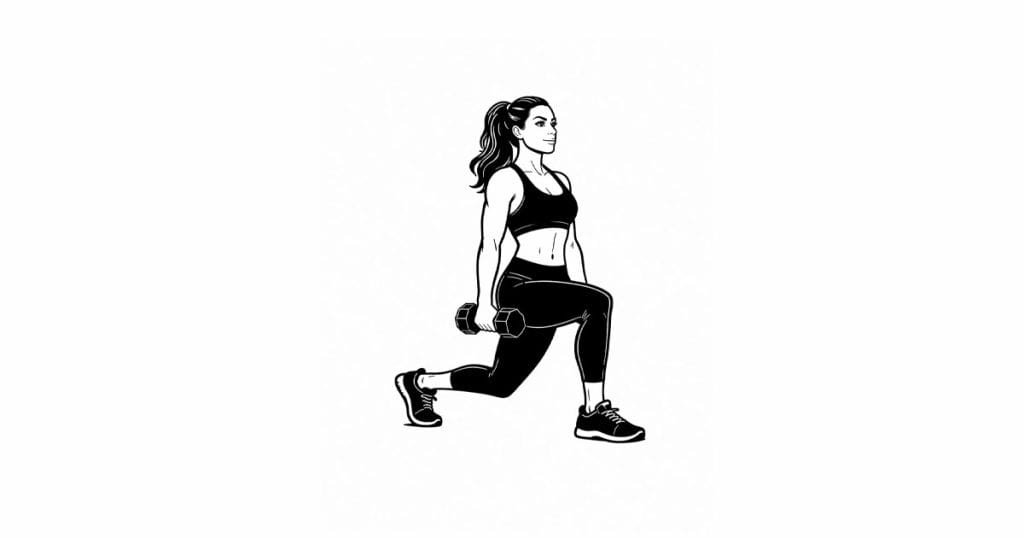
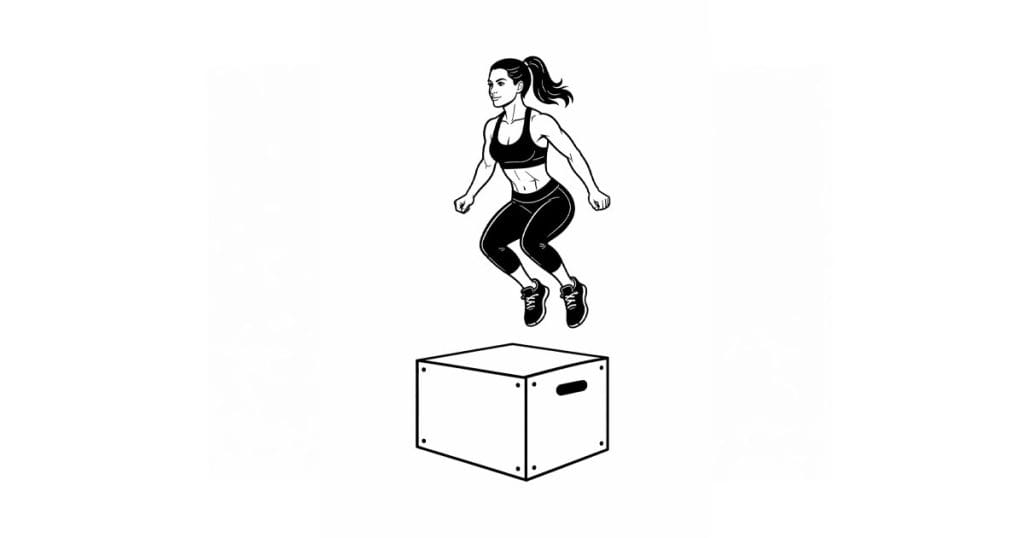
The pop-up squat is a dynamic lower-body exercise that combines the foundational squat movement with an explosive jumping component. This variation is designed to improve power, coordination, and muscular endurance while still targeting the primary muscles of the lower body. By incorporating a quick upward movement followed by a controlled landing, the pop-up squat enhances both strength and athletic performance.
The primary muscle group targeted during the pop-up squat is the quadriceps. These muscles are responsible for extending the knees and generating the force needed to drive the body upward during the explosive phase. The squat portion of the movement places significant tension on the quads, making it an effective exercise for developing strength and muscular endurance.
Secondary muscle groups include the glutes and hamstrings, which assist in hip extension and help generate power during the jump. The glutes play a key role in driving the hips forward, while the hamstrings help stabilize the knee joint and control the descent. The calves are also heavily involved, particularly during the takeoff and landing phases, where they contribute to ankle stability and force production.
The core muscles are engaged throughout the exercise to maintain balance and proper alignment. A strong core helps prevent excessive forward lean and ensures that the movement remains controlled and efficient. This full-body involvement makes the pop-up squat a highly functional exercise.
One of the main benefits of the pop-up squat is its ability to develop explosive power. The quick transition from the squat to the jump challenges the muscles to produce force rapidly, which can improve athletic performance in activities that require speed and agility. This makes it a valuable addition to routines focused on performance and conditioning.
Another advantage is improved coordination and movement efficiency. The repeated cycle of lowering, jumping, and landing helps train the body to move smoothly and react quickly. This can enhance overall movement quality and make other exercises feel more natural and controlled.
To perform the pop-up squat correctly, begin by lowering into a squat with your chest upright and knees tracking over your toes. From the bottom position, push through your heels and explode upward into a small jump. Focus on generating power from your legs while keeping your upper body stable.
As you land, absorb the impact by bending your knees and immediately transitioning into the next squat. The landing should be soft and controlled, minimizing stress on the joints. Maintaining a consistent rhythm helps keep the movement fluid and effective.
Proper technique is essential for maximizing benefits and reducing injury risk. Avoid letting your knees collapse inward during both the squat and landing phases, as this can place unnecessary stress on the joints. Keeping your weight evenly distributed through your feet also helps maintain balance.
Common mistakes include jumping too high, which can lead to loss of control, and landing with stiff legs, which increases impact stress. Focusing on controlled, moderate-height jumps can help maintain proper form.
From a safety perspective, it is important to perform the pop-up squat on a stable surface and to prioritize controlled landings. If you experience discomfort in the knees or ankles, reducing intensity or range of motion can help.
Overall, the pop-up squat is an effective exercise for building lower-body power, improving coordination, and enhancing overall athletic ability. Its combination of strength and explosiveness makes it a valuable addition to any dynamic training routine.