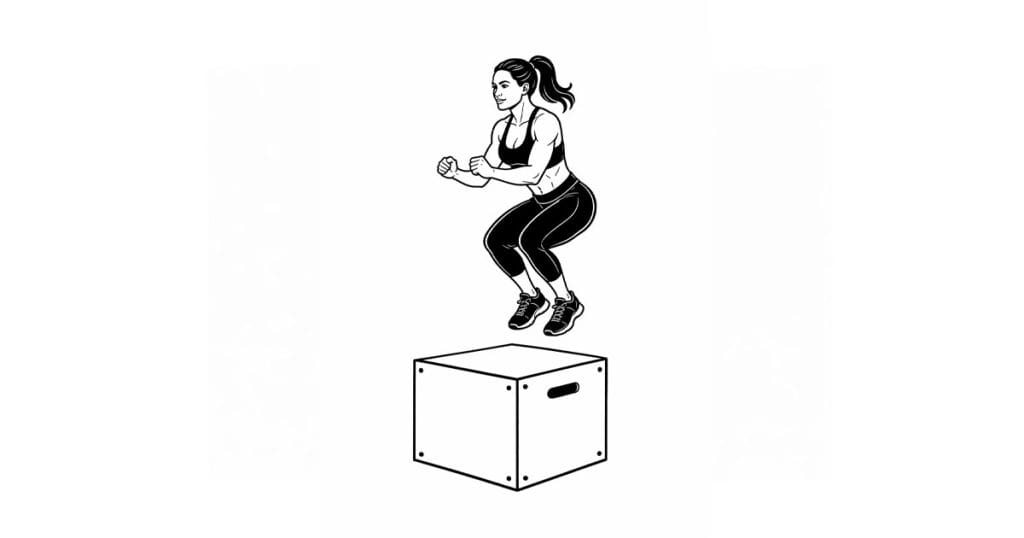
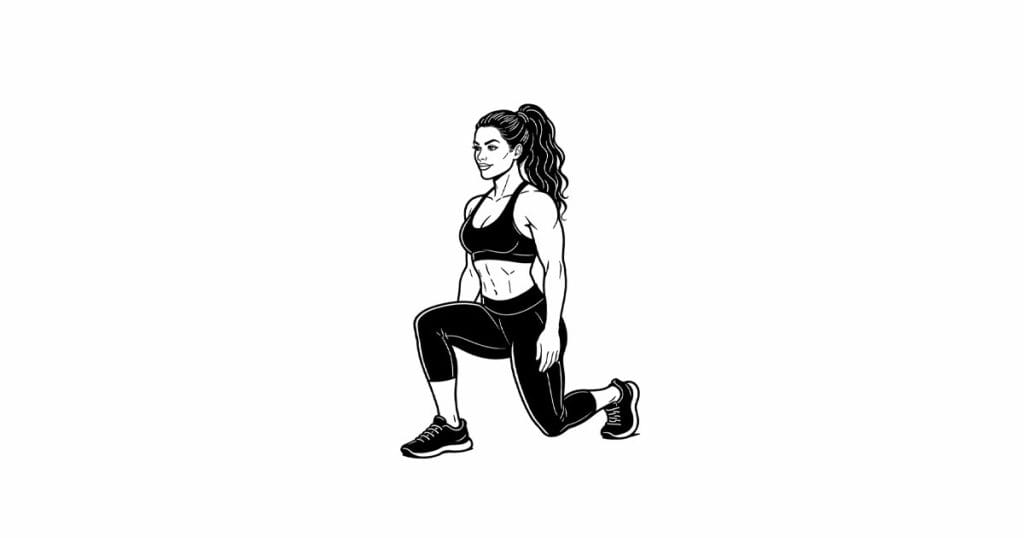
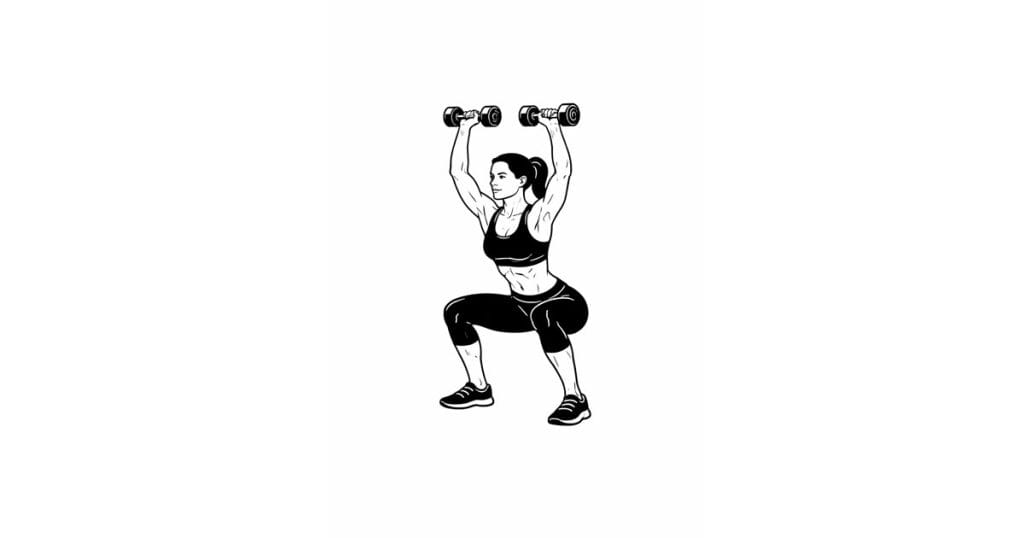
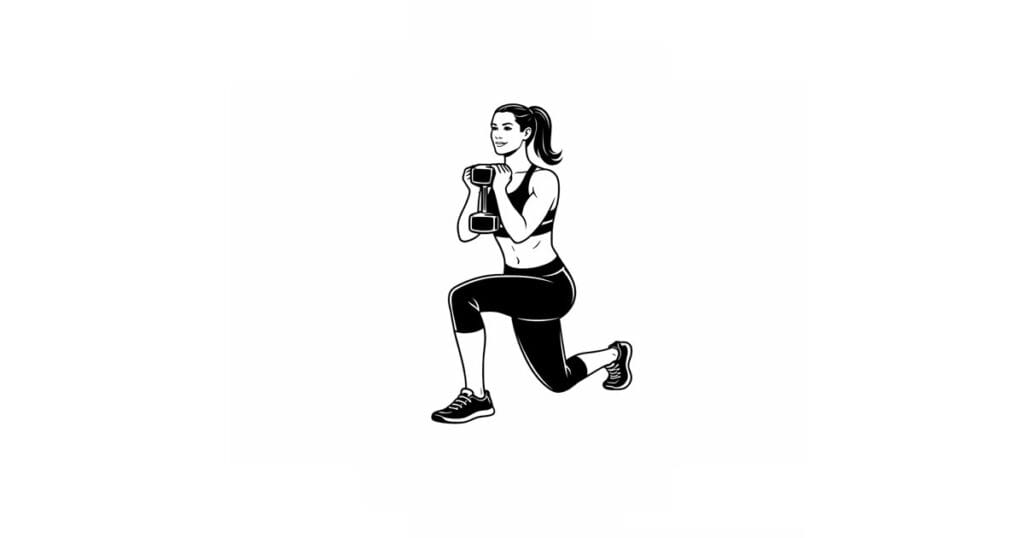
Goddess Pose is a wide-stance squat position commonly used in yoga and mobility training to strengthen the lower body while improving hip flexibility and stability. This exercise combines elements of strength, balance, and mobility, making it an effective addition to routines focused on lower body development and functional movement. It is accessible for beginners but can be progressed in intensity through longer holds or deeper positioning.
The primary muscle group targeted in Goddess Pose is the quadriceps. These muscles are responsible for knee extension and play a key role in stabilizing the lower body during squatting movements. Holding a deep squat position increases time under tension for the quads, helping to build muscular endurance and strength.
Secondary muscles include the glutes, adductors, and core. The glutes assist in hip stabilization and support the squat position, while the adductors work to control the wide stance and maintain alignment. The core is engaged to keep the torso upright and stable throughout the movement, preventing excessive forward lean or spinal strain.
One of the primary benefits of Goddess Pose is improved hip mobility. The wide stance and outward rotation of the hips help open the hip joints and stretch the inner thighs. This can be particularly beneficial for individuals who spend long periods sitting or have limited lower body flexibility. Improved hip mobility supports better movement patterns in exercises such as squats, lunges, and athletic activities.
Another key benefit is increased lower body endurance. Holding the squat position challenges the muscles to maintain tension over time, which helps build stamina and control. This is especially useful for improving performance in activities that require sustained lower body effort.
Goddess Pose also promotes better posture and alignment. By focusing on keeping the chest lifted and the spine neutral, the exercise reinforces proper body positioning. This can translate to improved posture during both exercise and daily activities.
To perform Goddess Pose, begin by standing with your feet set wider than shoulder-width apart. Turn your toes outward at a comfortable angle and ensure your stance feels stable. Keep your chest upright and your shoulders relaxed.
Lower your body by bending your knees and pushing them outward in line with your toes. Descend until your thighs are parallel to the floor or as low as your mobility allows. Maintain an upright torso and avoid leaning forward.
Hold the position while engaging your core and breathing steadily. Focus on distributing your weight evenly through both feet. After holding for a comfortable duration, press through your feet to return to the starting position.
Common mistakes include allowing the knees to collapse inward, leaning forward, and placing too much weight on the toes. These errors reduce effectiveness and can increase the risk of discomfort. Maintaining proper alignment and controlled movement is essential.
From a safety perspective, it is important to respect your mobility limits. Do not force a deeper squat if it causes discomfort in the hips or knees. Adjust your stance width or depth as needed to maintain proper form.
Overall, Goddess Pose is a versatile and effective exercise for improving lower body strength, hip mobility, and postural control. Its combination of strength and flexibility benefits makes it a valuable addition to both fitness and mobility routines.