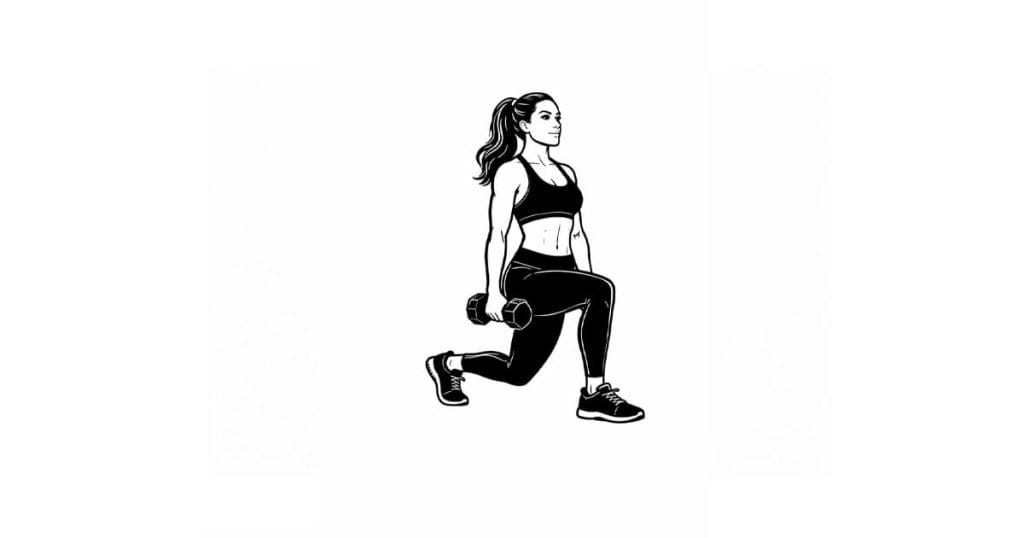
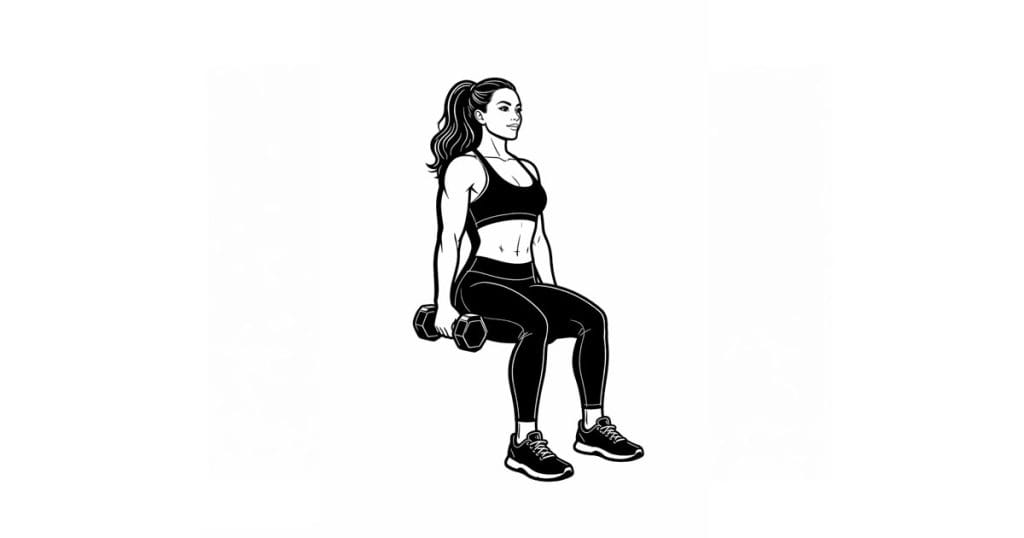
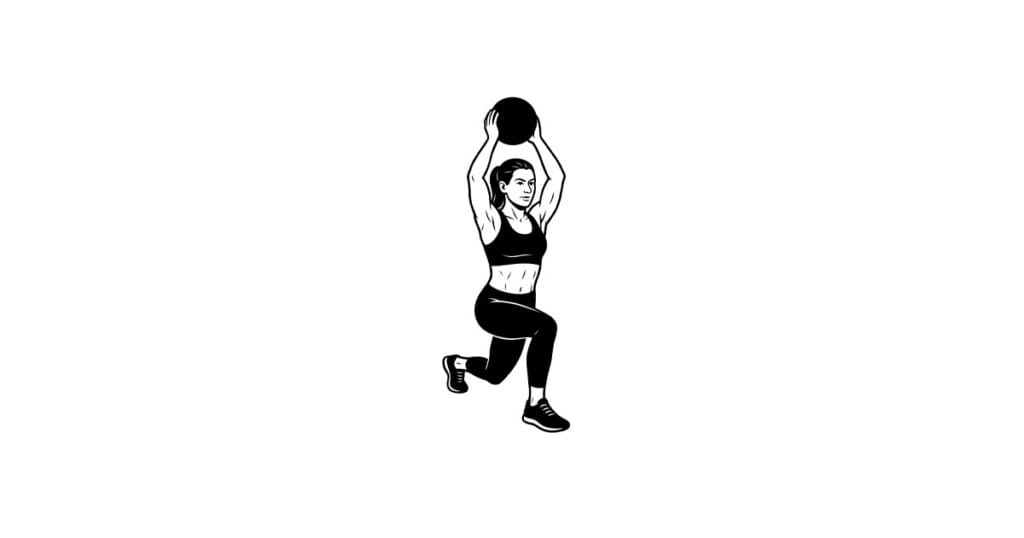
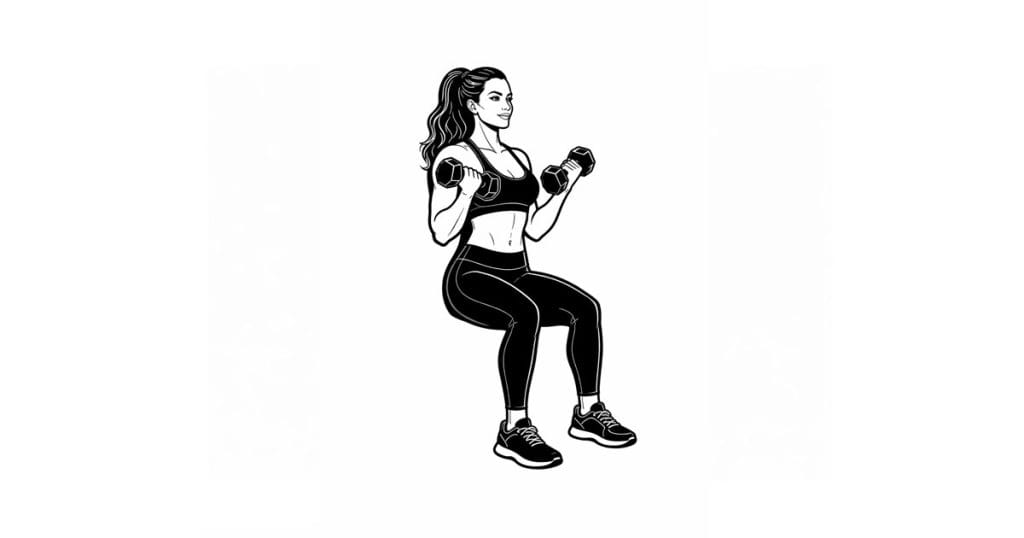
The Medicine Ball Overhead Squat is a full-body strength exercise that challenges mobility, stability, balance, and coordination within a single movement. By holding a medicine ball overhead with fully extended arms, the lifter increases the demand on the shoulders, upper back, and core. This overhead position requires strong bracing through the trunk to prevent rib flare or lower-back arching, reinforcing proper posture and improving shoulder stability. As the lifter lowers into the squat, the quads and glutes drive the movement while the hamstrings and core support and control the descent. The overhead load encourages a more upright torso, promoting optimal squatting mechanics and enhancing mobility through the ankles, hips, and thoracic spine.
Because the medicine ball is relatively lightweight, the overhead squat becomes an accessible way to train movement quality and muscular endurance without excessive loading. Even with moderate resistance, stabilizing the ball overhead forces the body’s supporting musculature to work harder, strengthening functional stability that carries over into both athletic and everyday activities. The exercise also heightens coordination by requiring synchronized movement between the upper and lower body. While the legs execute the squat pattern, the core continuously works to keep the body centered and aligned beneath the overhead load.
The Medicine Ball Overhead Squat fits seamlessly into warm-ups, mobility sessions, athletic training programs, and strength circuits. It is particularly effective for improving shoulder mobility, reinforcing strong overhead positioning, and developing deep core stability. The emphasis on posture and control encourages cleaner movement patterns and supports long-term joint health. With consistent practice, this exercise builds controlled full-body strength, enhances overhead stability, and improves flexibility throughout the hips and upper back.
Although more demanding than traditional squats in terms of technique, the overhead variation remains approachable for beginners using light weight and mindful form. It provides a versatile and effective training stimulus for individuals aiming to improve mobility, strengthen foundational movement patterns, enhance athletic performance, or expand their exercise selection. Over time, the Medicine Ball Overhead Squat reinforces balance, coordination, and stability, essential components of functional fitness.