The jump squat is a powerful lower body exercise that combines strength and explosive movement to improve athletic performance, muscle activation, and overall conditioning. As a plyometric variation of the traditional squat, it involves lowering into a squat position and then explosively jumping upward, making it an effective way to develop power and speed. This exercise is commonly used in athletic training, high-intensity workouts, and functional fitness routines.
The primary muscle group targeted during the jump squat is the quadriceps. These muscles are heavily engaged as they work to extend the knees during both the upward jump and the landing phase. The explosive nature of the movement places significant demand on the quads, helping to build strength and power.
Secondary muscles also contribute to the effectiveness of the jump squat. The glutes play a key role in hip extension, providing additional power during the jump. The hamstrings assist in stabilizing the knee and supporting the movement. The calves are responsible for pushing off the ground and helping control the landing. The core muscles are engaged throughout to maintain balance, stability, and proper posture.
One of the main benefits of the jump squat is its ability to develop explosive power. This makes it particularly valuable for athletes who need to generate force quickly, such as those involved in sports that require jumping, sprinting, or rapid changes in direction.
The jump squat also improves coordination and neuromuscular efficiency. The combination of strength and speed requires precise timing and control, helping enhance overall movement quality. This can lead to better performance in other exercises and athletic activities.
Additionally, the exercise provides a cardiovascular challenge. Performing jump squats in succession elevates the heart rate, making it an effective option for improving conditioning and endurance.
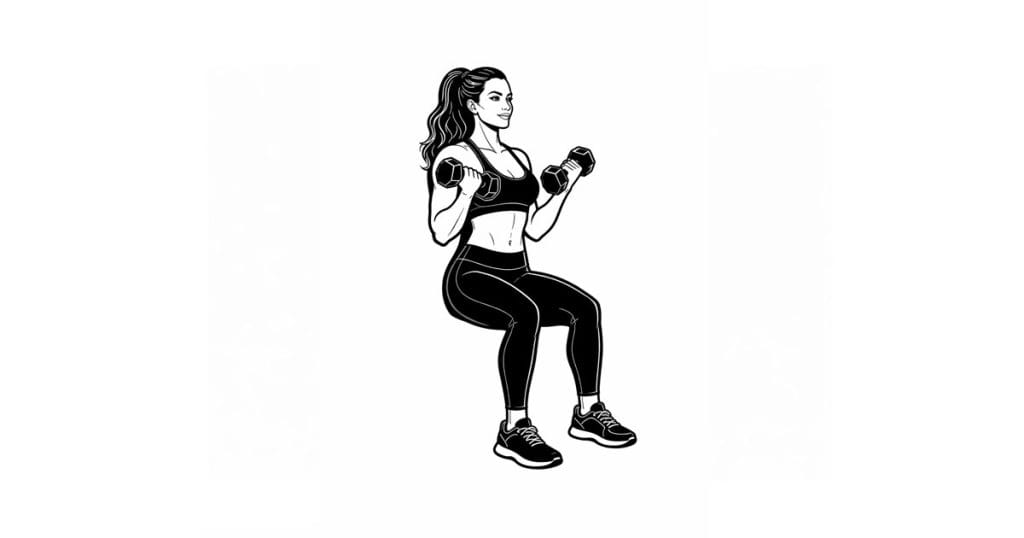
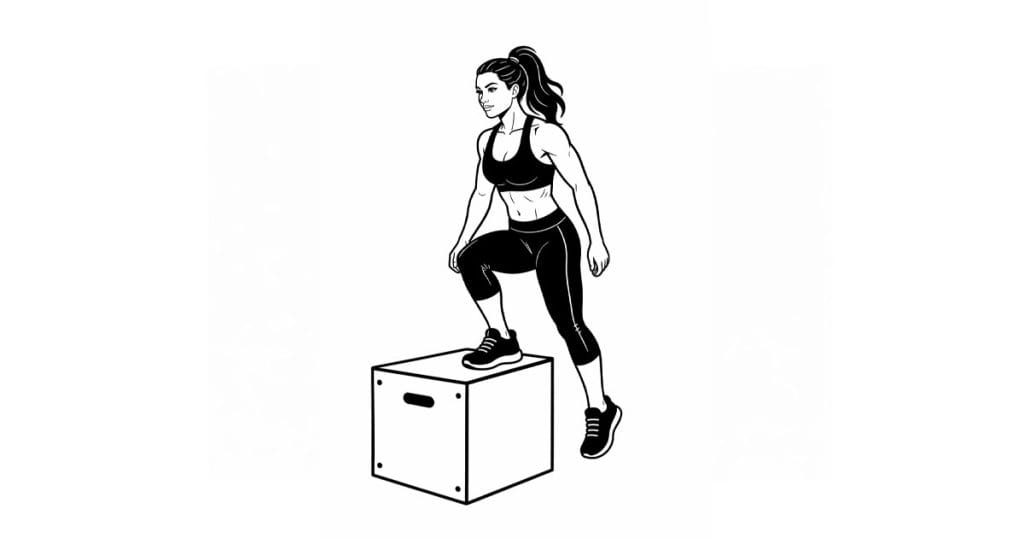
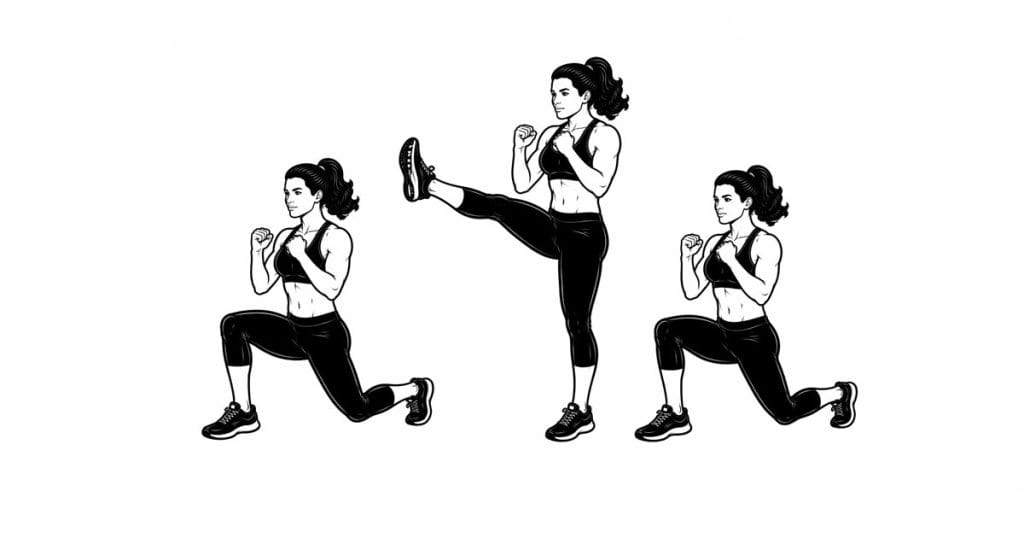
To perform the jump squat, begin by standing with your feet shoulder-width apart. Lower into a squat position while keeping your chest upright and core engaged. From the bottom of the squat, explosively push through your feet to jump upward, extending your hips, knees, and ankles. Land softly with bent knees and immediately transition into the next repetition.
Proper technique is essential for maximizing the benefits of the jump squat while minimizing the risk of injury. Focus on controlled landings, proper knee alignment, and maintaining an upright posture. Avoid rushing the movement, and ensure each repetition is performed with precision.
Common mistakes include allowing the knees to cave inward, landing with stiff legs, and sacrificing form for speed or height. These errors can reduce the effectiveness of the exercise and increase the risk of strain.
From a safety perspective, it is important to perform jump squats on a suitable surface and use proper footwear. Individuals should also ensure they have adequate strength and control before incorporating high-impact movements into their routine.
Overall, the jump squat is a highly effective exercise for building lower body power, improving coordination, and enhancing overall athletic performance. Its dynamic nature makes it a valuable addition to any fitness program focused on strength and explosiveness.