The lunge to front kick is a dynamic lower-body exercise that combines strength, balance, and coordination into a single functional movement. By pairing a forward lunge with a controlled front kick, this exercise challenges multiple muscle groups while improving stability and mobility. It is commonly used in bodyweight workouts, athletic training, and functional fitness routines due to its versatility and effectiveness.
The primary muscle group targeted during the lunge to front kick is the quadriceps. As you lower into the lunge position, the quadriceps are responsible for controlling the descent and extending the knee as you push back to standing. This makes the exercise effective for building strength in the front of the thighs, which plays a key role in everyday movements such as walking, climbing stairs, and standing up from a seated position.
Secondary muscles contribute significantly to the overall movement. The glutes are heavily involved in stabilizing the hips and generating force as you rise out of the lunge. The hamstrings assist in controlling the motion and supporting knee stability. The hip flexors are especially active during the front kick phase, as they lift and extend the leg forward. Additionally, the calves help with balance and push-off, while the core muscles work continuously to maintain posture and prevent excessive movement of the torso.
One of the main benefits of the lunge to front kick is its ability to improve balance and coordination. Transitioning from a stable lunge into a single-leg stance with a kick requires control and body awareness. This helps develop neuromuscular coordination, which can enhance performance in sports and daily activities.
The exercise also promotes functional strength. Because it mimics real-world movement patterns, such as stepping and lifting the leg, it can improve overall movement efficiency. This makes it a valuable addition to general fitness routines and mobility work.
Another advantage is the dynamic engagement of the hip flexors and lower body. The front kick adds an element of mobility and active range of motion, helping to improve flexibility and joint health over time. Unlike static exercises, this movement encourages muscles to work through a full range, which can support better overall mobility.
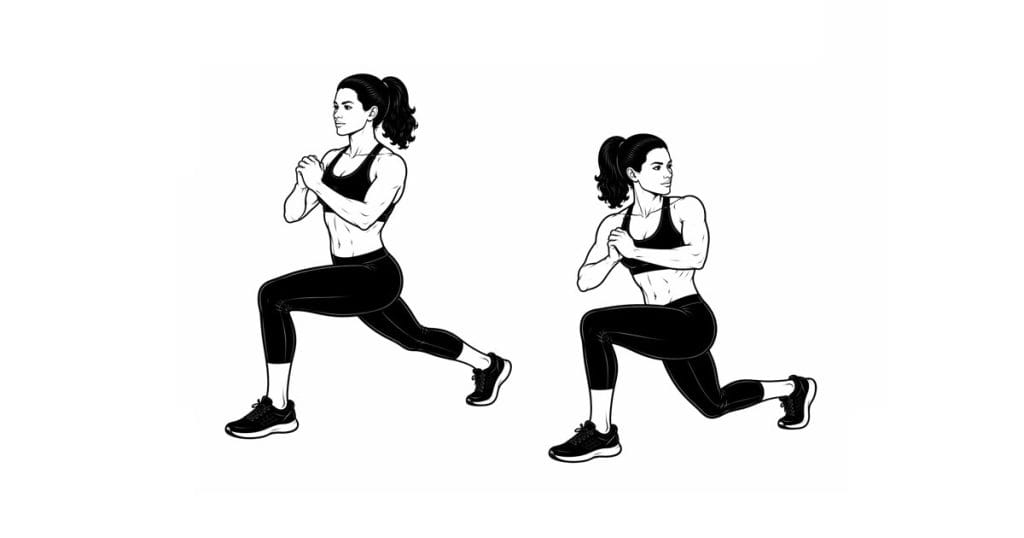
To perform the lunge to front kick, begin by stepping forward into a controlled lunge. Once you push back up, immediately transition into a front kick by driving your leg forward. The movement should be smooth and controlled, with a focus on maintaining balance throughout.
Proper technique is essential for maximizing benefits and reducing injury risk. Keep your chest upright, your core engaged, and your movements controlled. Avoid rushing through the exercise, as this can compromise form and reduce effectiveness.
Common mistakes include leaning forward during the lunge, swinging the leg during the kick, and failing to maintain proper alignment. These errors can place unnecessary stress on the joints and limit the effectiveness of the exercise.
From a safety perspective, it is important to move within a comfortable range of motion. Avoid forcing the kick too high, and focus on maintaining control at all times. Beginners may benefit from practicing the lunge and kick separately before combining them.
Overall, the lunge to front kick is a well-rounded exercise that builds lower-body strength, enhances balance, and improves coordination. Its combination of strength and dynamic movement makes it a practical and effective addition to any fitness routine.