Plank T-rotations are a dynamic core exercise that combines stability, strength, and rotational movement into one effective bodyweight drill. This variation builds upon the traditional high plank by introducing a rotational component, challenging the body to maintain alignment while transitioning between positions. It is a powerful exercise for developing core strength, improving mobility, and enhancing overall body coordination.
The primary muscle group targeted during plank T-rotations is the abs and core. The rectus abdominis and transverse abdominis work together to stabilize the spine, while the obliques are heavily engaged during the rotational phase of the movement. This makes the exercise particularly effective for building rotational strength and control, which is essential for athletic performance and everyday functional movement.
Secondary muscles involved include the shoulders, triceps, and glutes. The shoulders and triceps support the upper body during the plank and while transitioning into the rotated position. Meanwhile, the glutes help maintain hip stability and prevent excessive movement or sagging. This full-body engagement ensures that plank T-rotations are not just a core exercise, but a comprehensive stability movement.
One of the key benefits of plank T-rotations is their ability to improve core stability while incorporating rotation. Many traditional core exercises focus on forward and backward movements, but this exercise trains the body to control movement across multiple planes. This is especially valuable for sports and activities that require twisting, turning, or reaching.
Another advantage is the enhancement of shoulder stability and mobility. As you rotate and stack your shoulders, you develop strength and control in the shoulder joint, which can help support better posture and reduce injury risk. The movement also encourages thoracic spine mobility, allowing for better upper body rotation.
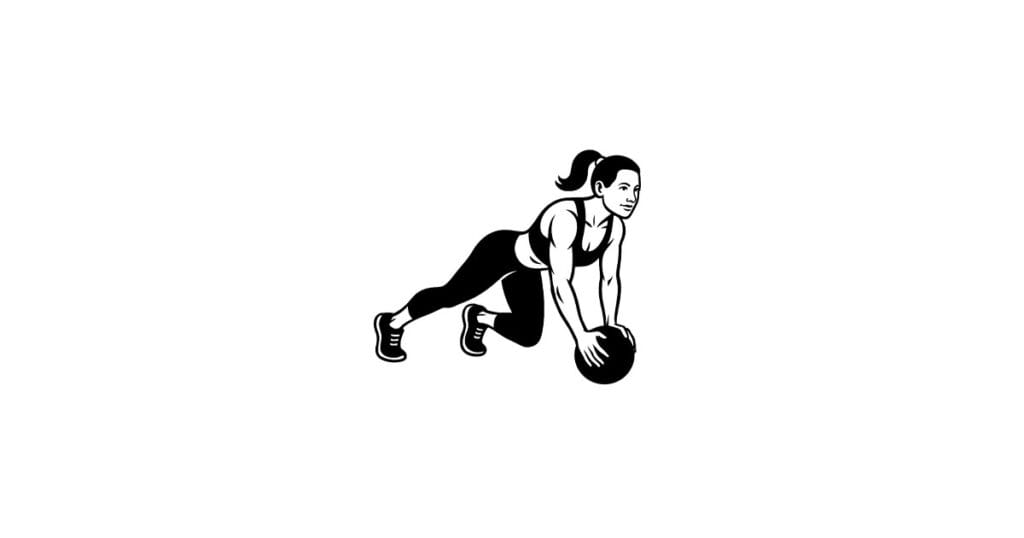
To perform plank T-rotations effectively, begin in a strong high plank position. Your hands should be directly under your shoulders, and your body should form a straight line from head to heels. Engage your core and glutes before initiating the movement. Shift your weight onto one hand and rotate your torso, lifting the opposite arm toward the ceiling. Focus on opening your chest fully and stacking your shoulders.
Return to the plank position with control, then repeat on the other side. The movement should be slow and deliberate, with an emphasis on maintaining balance and alignment. Avoid rushing through repetitions, as this reduces the effectiveness of the exercise and increases the likelihood of losing control.
Common mistakes include letting the hips drop or rise excessively, rotating too quickly, and failing to fully open the chest. These errors can reduce core engagement and place unnecessary stress on the shoulders and lower back. Maintaining proper form ensures that the correct muscles are targeted and the exercise remains safe.
From a safety perspective, it is important to keep the core engaged throughout the movement to protect the spine. Using a slightly wider stance can improve balance and make the exercise more manageable, especially for beginners. If wrist or shoulder discomfort occurs, consider modifying the movement or reducing the range of motion.
Overall, plank T-rotations are a versatile and effective exercise for building core strength, improving rotational control, and enhancing total-body stability. Their combination of strength and mobility benefits makes them a valuable addition to any bodyweight training routine.