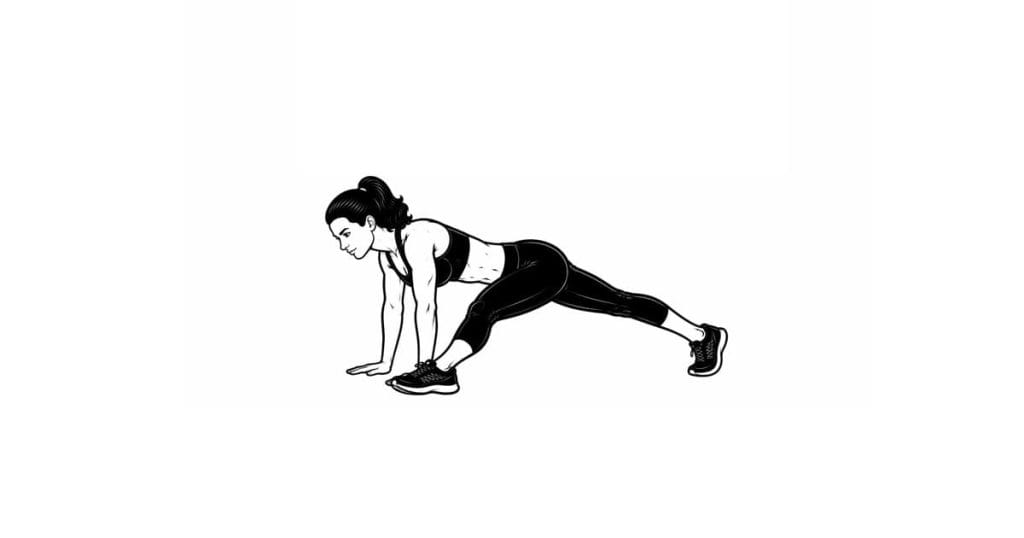
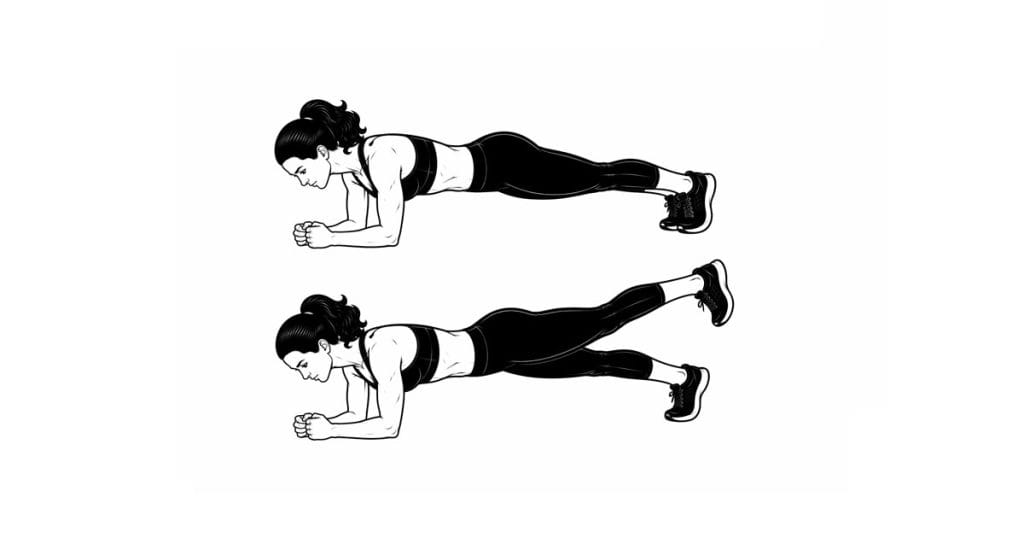
The plank extended arm, also known as the long lever plank, is an advanced variation of the traditional plank that significantly increases the demand on the core and upper body. By moving the hands forward beyond the shoulders, the lever length of the body is extended, which creates greater resistance against gravity. This forces the core muscles to work harder to maintain alignment and stability, making it a highly effective exercise for building core strength and endurance.
The primary muscle group targeted in the plank extended arm is the abs and core. The rectus abdominis and transverse abdominis are heavily engaged to prevent the lower back from arching and to maintain a neutral spine. Because of the extended lever position, these muscles must generate more tension compared to a standard plank, resulting in increased activation and improved core strength over time.
Secondary muscle groups include the shoulders and upper back. The shoulders are responsible for supporting the body’s weight in a forward position, which places greater demand on the deltoids and stabilizing muscles around the shoulder joint. The upper back muscles, including the scapular stabilizers, help maintain proper shoulder positioning and prevent collapse through the upper body.
The glutes also play an important role in this exercise. By contracting the glutes, you help maintain a neutral pelvis and prevent excessive arching in the lower back. This contributes to better overall alignment and reduces the risk of strain.
One of the main benefits of the plank extended arm is its ability to increase core intensity without adding external load. By simply adjusting body position, the exercise becomes significantly more challenging. This makes it an efficient option for progressing core training using only bodyweight.
Another benefit is improved anti-extension strength. The extended arm position increases the tendency for the lower back to arch, requiring the core to resist this movement. This helps strengthen the muscles responsible for stabilizing the spine and can improve performance in other exercises that require core control.
The plank extended arm also enhances shoulder stability. Supporting the body with arms positioned forward challenges the shoulder joint and encourages proper engagement of stabilizing muscles. Over time, this can improve shoulder strength and resilience.
To perform the plank extended arm, begin in a standard high plank position and then walk your hands forward. Once in position, hold the plank while maintaining a straight line from head to heels. Focus on engaging your core, glutes, and shoulders to keep your body stable.
Proper technique is essential for maximizing the effectiveness of this exercise. Avoid letting your hips drop or your lower back arch. Keep your movements controlled and your breathing steady.
Common mistakes include placing the hands too far forward, allowing the hips to sag, and failing to maintain core tension. These issues reduce the effectiveness of the exercise and can increase the risk of injury.
From a safety perspective, it is important to progress gradually. If the extended position feels too challenging, reduce the distance of the hand placement or perform a standard plank until sufficient strength is developed.
Overall, the plank extended arm is a powerful core exercise that builds strength, stability, and endurance. Its increased intensity and simplicity make it a valuable addition to any core-focused workout routine.