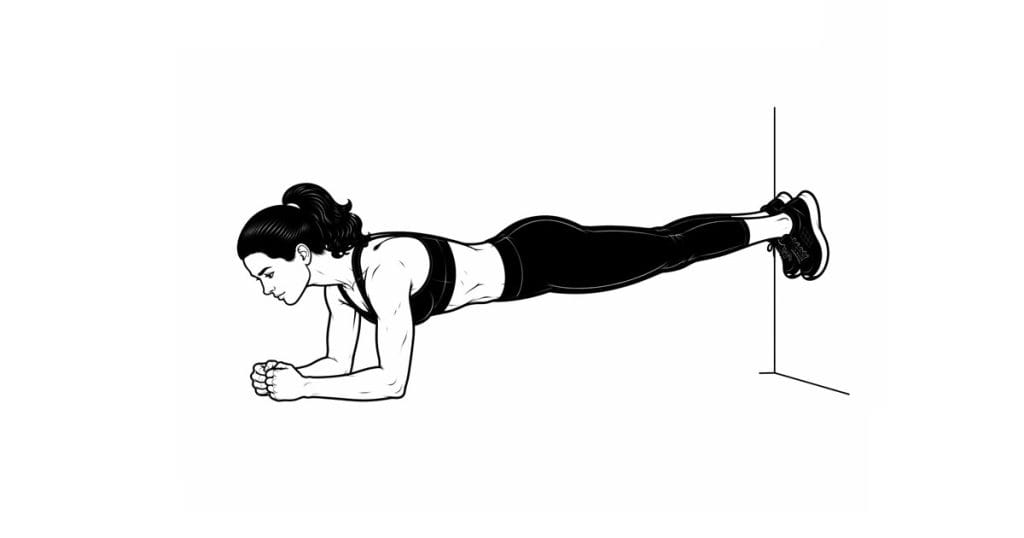
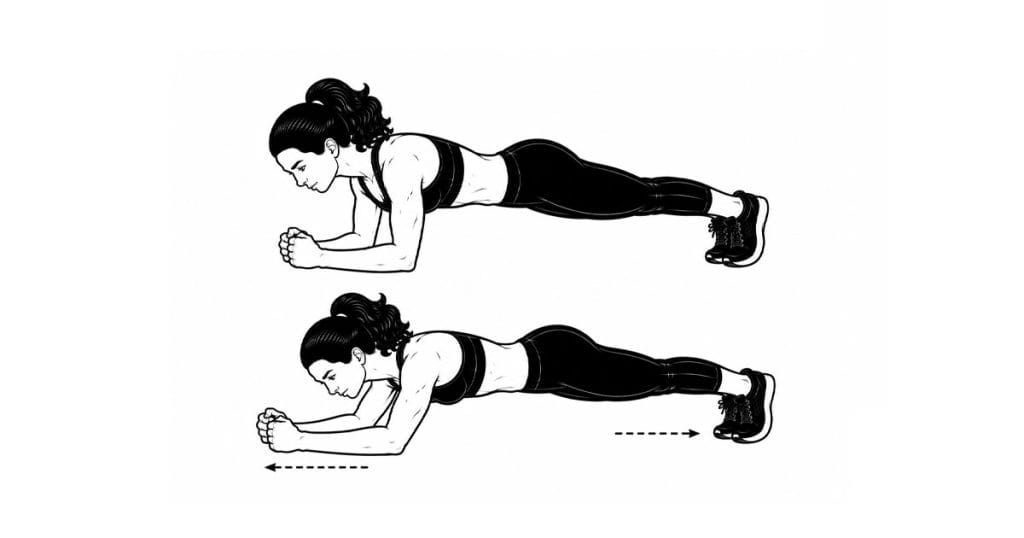
Plank pose is a foundational bodyweight exercise that develops core strength, stability, and endurance. Often considered one of the most effective core exercises, plank pose involves holding a straight-body position supported by the hands and toes while maintaining full-body tension. It is widely used in strength training, rehabilitation programs, and general fitness routines due to its simplicity and effectiveness.
The primary muscle group targeted in plank pose is the abs and core. The rectus abdominis, transverse abdominis, and obliques work together to stabilize the spine and maintain proper alignment. Unlike exercises that rely on movement, plank pose is an isometric hold, meaning the muscles contract without changing length. This creates sustained tension in the core, helping to build endurance and stability.
Secondary muscles involved include the shoulders, glutes, quads, and lower back. The shoulders support the upper body and help maintain proper positioning over the wrists. The glutes and quads assist in keeping the body aligned and prevent the hips from sagging. The lower back muscles work alongside the core to support the spine, making plank pose a full-body stabilization exercise.
One of the key benefits of plank pose is improved core stability. By strengthening the muscles that support the spine, this exercise helps enhance posture and reduce the risk of lower back discomfort. A strong core also improves performance in other exercises and daily activities that require balance and coordination.
Another important benefit is increased muscular endurance. Holding the plank position for extended periods challenges the muscles to sustain contraction, which builds endurance over time. This can translate to improved performance in both strength training and endurance-based activities.
Plank pose also promotes better body awareness and control. Maintaining proper alignment requires focus and engagement, helping individuals develop a stronger mind-muscle connection. This awareness can lead to improved technique in other exercises and movements.
To perform plank pose correctly, start in a high plank position with your hands under your shoulders and your body in a straight line. Engage your core and glutes, and hold the position while maintaining steady breathing. Focus on keeping your hips level and your spine neutral.
Proper form is essential for maximizing the benefits of plank pose. Avoid letting your hips sag, which can place stress on the lower back, or lifting them too high, which reduces core engagement. Maintaining a straight line from head to heels ensures that the core remains the primary focus of the exercise.
Common mistakes include poor alignment, lack of core engagement, and holding the breath. These errors can reduce the effectiveness of the exercise and increase the risk of strain.
From a safety perspective, it is important to maintain proper alignment and avoid pushing beyond your current ability. Beginners can modify the exercise by performing it on their knees or reducing the hold time.
Overall, plank pose is a simple yet highly effective exercise for building core strength, improving stability, and enhancing overall fitness. Its versatility and scalability make it suitable for individuals of all fitness levels.