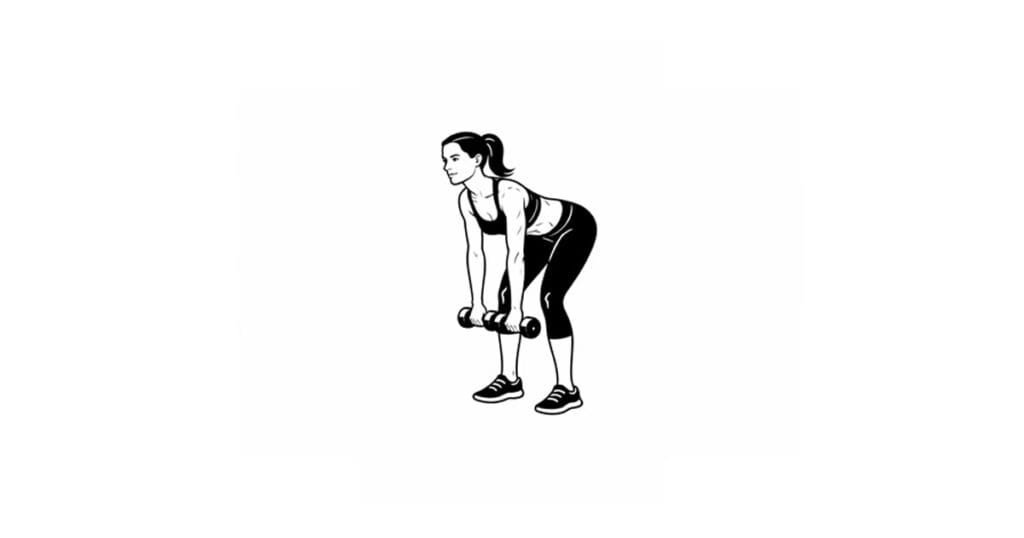
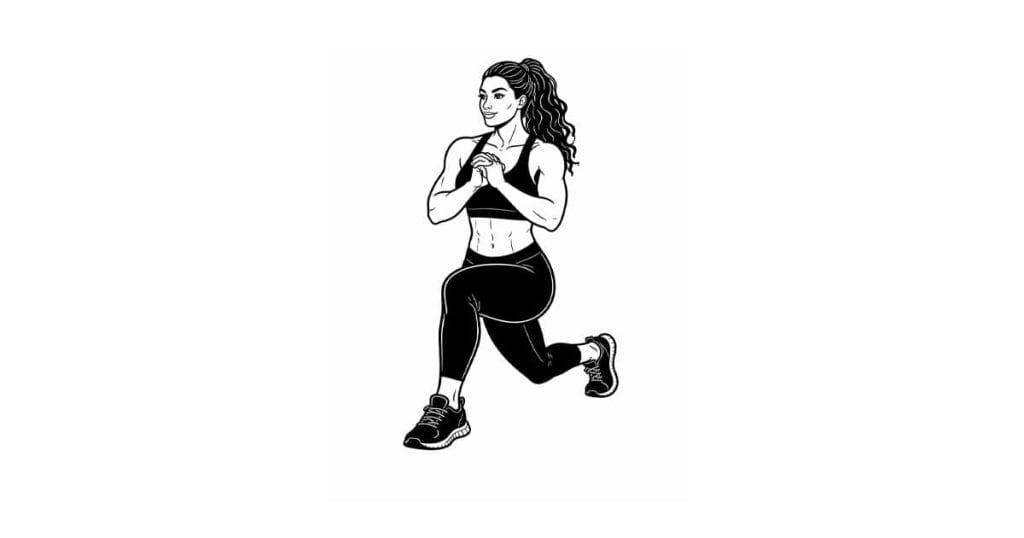
The pigeon stretch is a highly effective lower body mobility exercise that targets the glutes and hips. Commonly used in yoga, stretching routines, and recovery sessions, this movement is known for its ability to deeply stretch the hip external rotators and surrounding muscles. It is especially beneficial for individuals who spend long periods sitting or those looking to improve hip flexibility and reduce tightness.
The primary muscle group targeted during the pigeon stretch is the glutes. These muscles, particularly the gluteus maximus and deep external rotators, are placed under a deep stretch as the front leg is positioned across the body. Tight glutes can contribute to limited hip mobility and discomfort in the lower back, making this stretch an important tool for maintaining overall movement quality.
Secondary muscle groups involved include the hip flexors, adductors, and lower back. The extended rear leg stretches the hip flexors, which can become tight from prolonged sitting. The inner thigh muscles (adductors) also experience a gentle stretch, while the lower back benefits from improved alignment and reduced tension.
One of the main benefits of the pigeon stretch is improved hip mobility. Increased flexibility in the hips allows for better movement patterns in exercises such as squats, lunges, and running. This can enhance performance and reduce the risk of injury by promoting proper joint mechanics.
Another key benefit is relief from muscle tightness and discomfort. The deep stretch provided by this movement helps release tension in the glutes and hips, which can alleviate stiffness and improve overall comfort during daily activities.
The pigeon stretch also contributes to better posture. Tight hips can affect the alignment of the pelvis and spine, leading to compensations in posture. By improving hip flexibility, this stretch supports a more neutral and balanced posture.
To perform the pigeon stretch, start in a kneeling or plank position and bring one knee forward, placing it behind your hands. Extend the opposite leg behind you and lower your hips toward the ground. You can remain upright or fold forward over your front leg to increase the stretch.
Proper technique is essential to ensure safety and effectiveness. Focus on keeping your hips as square as possible and avoid forcing the front leg into a position that causes discomfort. Move gradually into the stretch and allow your body to relax over time.
Common mistakes include placing excessive pressure on the knee, allowing the hips to rotate too much, and rushing into the stretch without proper control. These errors can reduce the effectiveness of the exercise and increase the risk of strain.
From a safety perspective, it is important to listen to your body and avoid pushing beyond your limits. Using props such as a cushion under the hips can help maintain proper alignment and reduce stress on the joints.
Overall, the pigeon stretch is a valuable exercise for improving hip mobility, reducing muscle tightness, and enhancing overall movement quality. Its ability to target multiple muscle groups and provide a deep stretch makes it a key component of any flexibility or recovery routine.