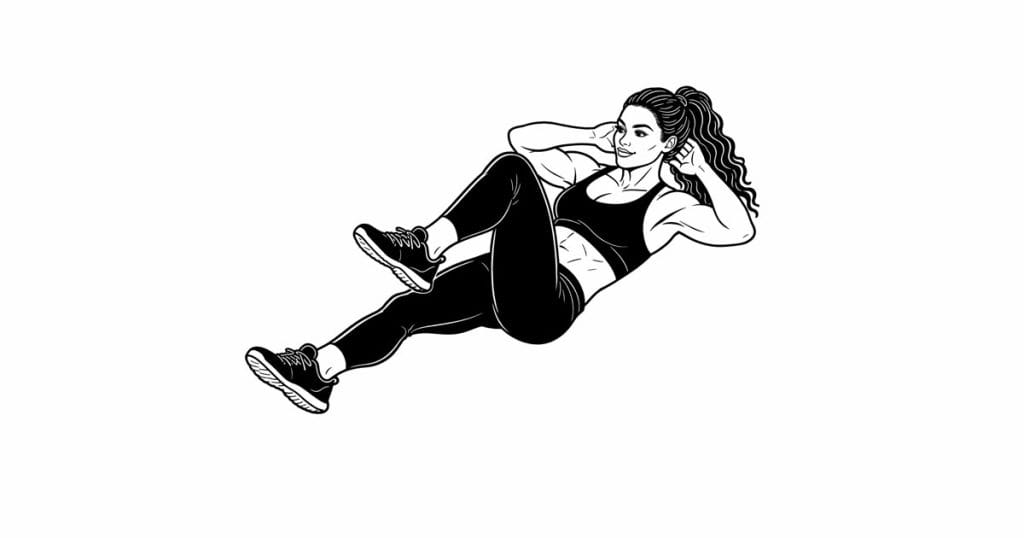
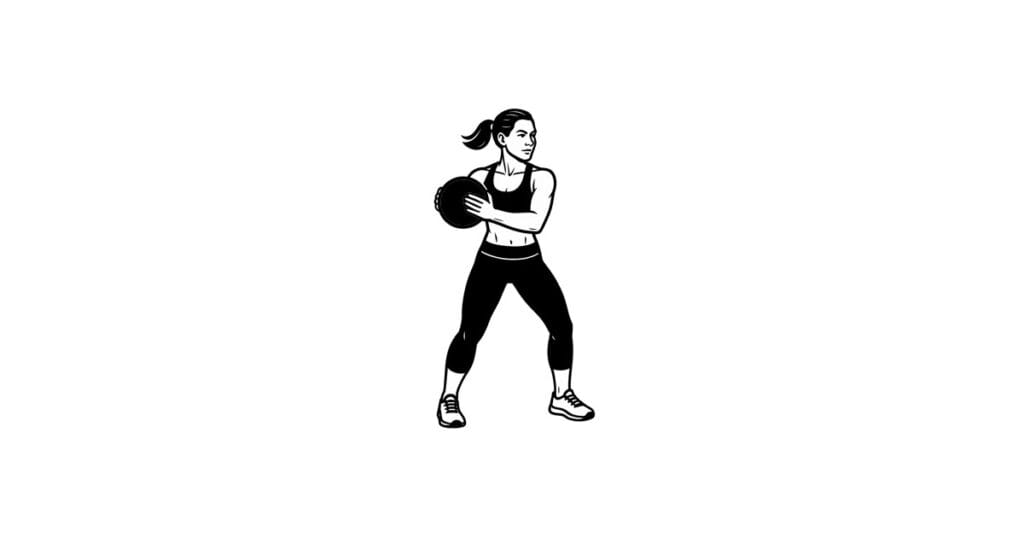
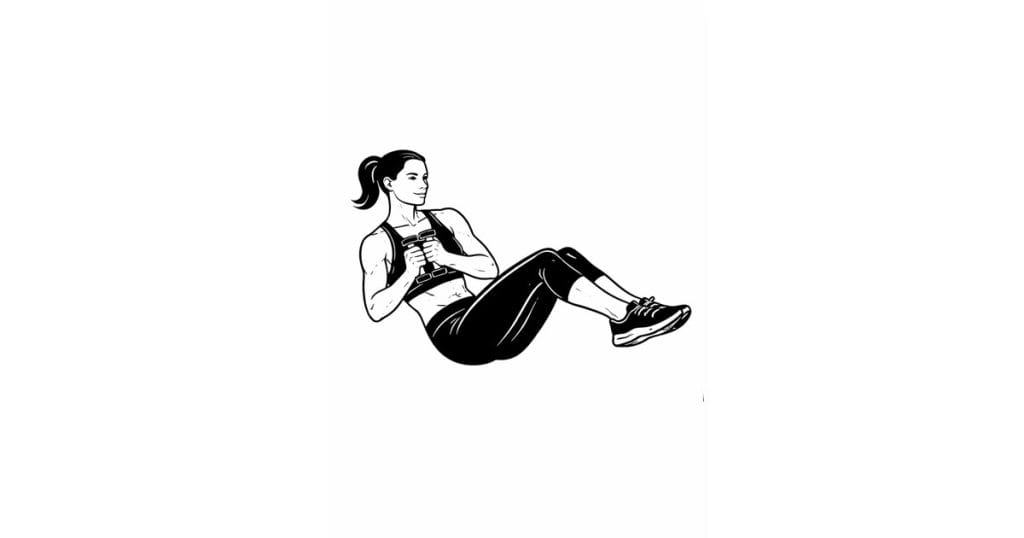
The Medicine Ball Standing Oblique Twist is a dynamic core-strengthening exercise that builds rotational control, enhances trunk stability, and targets the oblique muscles responsible for twisting and lateral support. Performed from a standing position, this variation mirrors real-world movement patterns such as turning, pivoting, and changing direction. Because it requires coordination through the upper body, hips, and deep core stabilizers, it offers a functional approach to core training that improves overall movement efficiency and athletic performance.
The exercise begins in a strong, upright stance with the medicine ball held at chest height. This front-loaded position naturally engages the core and encourages proper posture. As the torso rotates from side to side, the focus is on slow, controlled movement rather than speed or momentum. This controlled rotation strengthens the muscles that initiate, guide, and resist twisting, including the obliques, upper back, and deep spinal stabilizers. With the feet planted firmly on the ground, the body learns to differentiate movement between the upper and lower body, a key skill for athletes and anyone looking to develop safe, powerful rotational mechanics.
One of the primary strengths of the Medicine Ball Standing Oblique Twist is its accessibility. Because the movement is low-impact and performed in a comfortable standing posture, it accommodates a wide range of fitness levels and mobility needs. Beginners can start with a light ball to learn the pattern, while more advanced individuals may increase load, adjust tempo, or integrate the movement into high-repetition circuits. The upright position also reduces stress on the lower back and hips compared to many floor-based rotational exercises, making it an ideal option for those seeking a joint-friendly core exercise.
This movement also reinforces anti-rotation strength, as the core must decelerate and stabilize the torso at the end of each twist before transitioning to the opposite side. This eccentric control is crucial for injury prevention, particularly in the lower back, and supports better performance in dynamic activities where the spine must remain stable under rotational forces. Practicing this slow, deliberate twisting pattern improves body awareness, balance, and postural integrity.
Over time, consistent practice of the Medicine Ball Standing Oblique Twist enhances rotational mobility, strengthens the entire midsection, and supports efficient movement patterns used in both daily life and athletic environments. It integrates well into warm-ups, functional training sessions, core circuits, and sports conditioning programs. Whether your goal is to establish foundational rotational strength or sharpen advanced movement mechanics, this exercise provides a safe, functional, and highly effective way to develop a strong and coordinated torso.