The lunge with rotation is a functional lower-body exercise that combines strength, stability, and mobility into one dynamic movement. By integrating a rotational component into a traditional forward lunge, this exercise engages both the lower body and core, making it an effective choice for improving overall movement quality. It is commonly used in general fitness routines, athletic training, and mobility-focused workouts due to its ability to train multiple muscle groups simultaneously.
The primary muscle group targeted during the lunge with rotation is the quadriceps. As you step forward and lower into the lunge, the quadriceps control the descent and help extend the knee as you push back to standing. This strengthens the front of the thighs and supports essential movement patterns such as walking, climbing stairs, and squatting.
Secondary muscles play a significant role in this exercise. The glutes are heavily engaged to stabilize the hips and generate force during the upward phase of the lunge. The hamstrings assist in controlling the movement and supporting knee stability. The hip flexors contribute to stepping forward and maintaining balance. Additionally, the core muscles, particularly the obliques, are actively engaged during the rotational phase. This makes the lunge with rotation especially effective for developing rotational strength and core stability.
One of the key benefits of the lunge with rotation is its ability to improve functional movement. In everyday activities and sports, movements often involve both linear and rotational components. This exercise helps train the body to move efficiently in multiple planes, which can enhance coordination and performance.
The rotational aspect also improves core engagement and stability. By controlling the twist of the torso while maintaining a stable lower body, the core muscles are challenged to resist unwanted movement and maintain alignment. This can contribute to better posture and reduced risk of injury.
Another advantage is the improvement of balance and coordination. Transitioning into a lunge while adding a controlled rotation requires body awareness and control. This helps develop stability and coordination, which are important for both athletic performance and daily activities.
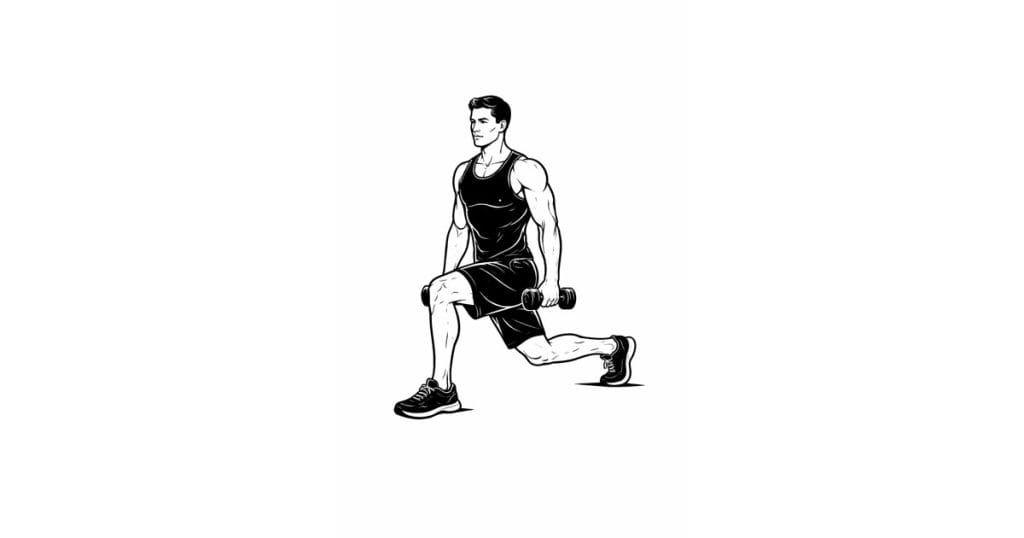
To perform the lunge with rotation, step forward into a lunge and lower your body into position. Once stable, rotate your torso toward the front leg while keeping your hips facing forward. Return to center and push back to the starting position. Repeat on the opposite side.
Proper technique is essential for maximizing benefits and minimizing risk. Focus on keeping your torso upright, your core engaged, and your movements controlled. Avoid excessive forward lean or uncontrolled twisting, as this can place stress on the lower back.
Common mistakes include rotating the hips instead of the torso, allowing the front knee to collapse inward, and rushing through the movement. These errors can reduce the effectiveness of the exercise and increase the risk of injury.
From a safety perspective, it is important to perform the rotation within a comfortable range of motion. Avoid forcing the twist, and maintain control throughout the movement. Beginners may benefit from mastering the basic lunge before adding rotation.
Overall, the lunge with rotation is a versatile and effective exercise that strengthens the lower body, enhances core stability, and improves functional movement. Its combination of strength and mobility makes it a valuable addition to any fitness routine.