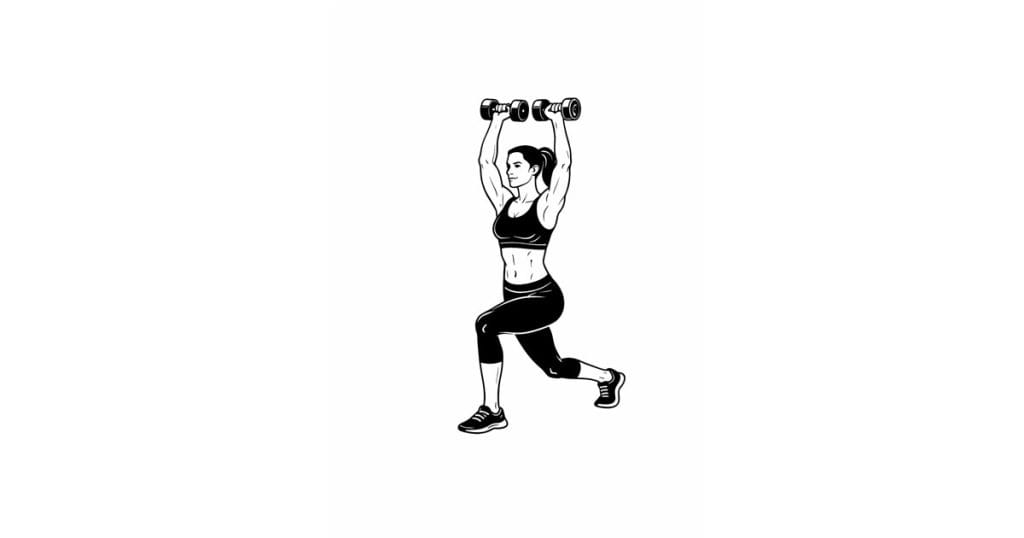
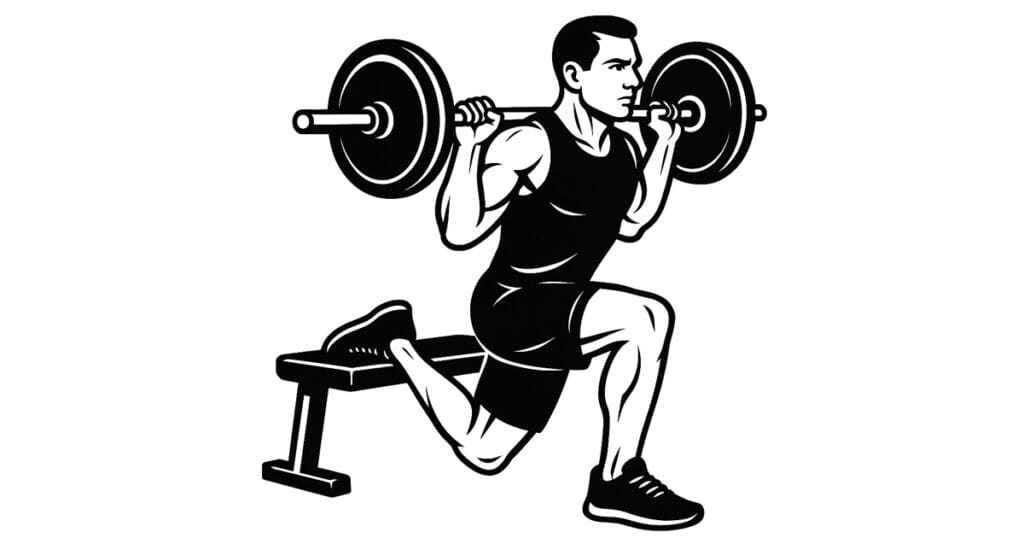
Bodyweight reverse lunges are an effective lower body exercise that build strength, balance, and coordination while placing less stress on the knees compared to forward lunges. By stepping backward instead of forward, this movement allows for better control of alignment and reduces forward pressure on the knee joint, making it a joint-friendly option for a wide range of individuals.
The exercise emphasizes unilateral strength, as each leg works independently through the movement. This helps identify and correct muscular imbalances, leading to improved symmetry, better movement efficiency, and a reduced risk of injury. The quadriceps handle much of the load during the lowering phase, while the glutes play a major role in driving the body back to the starting position. The hamstrings assist with control and stability, and the core remains engaged to maintain balance and posture.
One of the key advantages of reverse lunges is the improved control they offer. The backward step naturally encourages a more stable and controlled descent, allowing the individual to focus on proper positioning. This makes the exercise especially suitable for beginners or those looking to refine their technique while minimizing joint stress.
In addition to strength development, reverse lunges enhance balance and coordination. The stepping motion requires controlled movement and stability, engaging the core and smaller stabilizing muscles throughout the exercise. This contributes to improved body awareness and better performance in functional and athletic movements.
Proper technique is essential for maximizing effectiveness. The torso should remain upright with the chest lifted, and the core should stay engaged. The front knee should track in line with the toes, and the backward step should be smooth and controlled. Maintaining even weight distribution and pushing through the front heel ensures proper muscle activation.
Common mistakes include leaning too far forward, taking steps that are too short, and allowing the front knee to collapse inward. These errors can reduce the effectiveness of the exercise and increase unnecessary stress on the joints. Focusing on controlled movement and alignment helps ensure safe execution.
From a safety standpoint, each repetition should be performed with control, avoiding sudden or jerky motions. The back knee should lower gently toward the ground, and the front foot should remain stable. Adjusting step length and depth can help accommodate individual mobility and comfort levels.
Overall, bodyweight reverse lunges are a versatile and accessible exercise for building lower body strength, improving balance, and enhancing functional movement patterns. Their controlled nature and reduced joint stress make them a valuable addition to any fitness routine.