Lateral scissor kicks are a bodyweight core exercise that targets the abdominal muscles while also engaging the hip flexors and inner thighs. This movement involves lifting the legs off the ground and moving them side to side in a scissor-like motion, creating continuous tension in the core. Lateral scissor kicks are commonly used in core workouts, fitness circuits, and bodyweight routines due to their simplicity and effectiveness.
The primary muscle group targeted in lateral scissor kicks is the core, particularly the abdominal muscles. These muscles work to stabilize the pelvis and spine while keeping the legs elevated and moving. Maintaining a strong core contraction throughout the exercise helps improve strength, endurance, and control in the midsection.
Secondary muscle groups play an important role in supporting the movement. The hip flexors are heavily involved in holding the legs off the ground and controlling their motion. The adductors are engaged when bringing the legs together, while the quadriceps help keep the legs straight and stable. Together, these muscles contribute to the overall effectiveness of the exercise.
One of the main benefits of lateral scissor kicks is their ability to develop core endurance. Because the legs remain elevated for an extended period, the abdominal muscles are under constant tension. This helps improve muscular endurance and stability, which are essential for both athletic performance and everyday movement.
Lateral scissor kicks also help improve coordination and control. The alternating crossing pattern requires precise movement and timing, especially when maintaining consistent form and tension. This can enhance neuromuscular coordination and body awareness.
Another advantage of this exercise is its accessibility. Lateral scissor kicks require no equipment and can be performed almost anywhere, making them a convenient addition to home workouts or travel routines. They can also be easily modified by adjusting the range of motion or leg height.
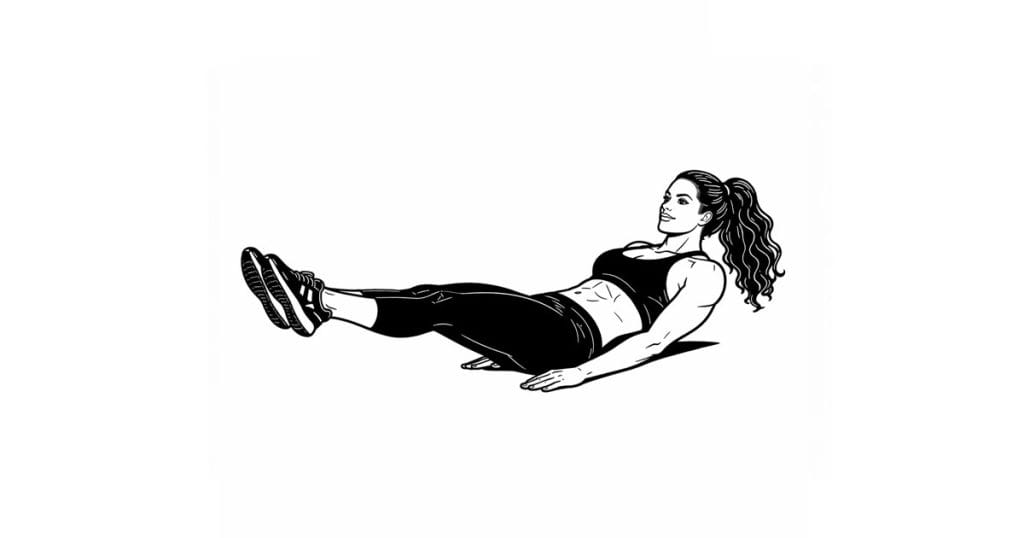
To perform lateral scissor kicks, lie on your back with your legs extended and slightly lifted off the floor. Open your legs outward, then bring them back together, crossing one leg over the other. Continue alternating the crossing pattern while keeping your core engaged and your lower back pressed into the floor.
Proper technique is essential for maximizing the benefits of this exercise. Focus on keeping your movements slow and controlled, maintaining tension in your core, and avoiding excessive arching in the lower back. Your legs should remain straight and active throughout the movement.
Common mistakes include moving too quickly, allowing the lower back to lift off the floor, and bending the knees. These errors can reduce the effectiveness of the exercise and increase the risk of strain.
From a safety perspective, it is important to maintain proper alignment and avoid lowering the legs too close to the ground if it causes discomfort in the lower back. Supporting the hips with your hands can help maintain stability and reduce strain.
Overall, lateral scissor kicks are an effective and versatile exercise for strengthening the core, improving coordination, and building endurance. Their simplicity and adaptability make them a valuable addition to any fitness routine.