The plank with alternating reach is a highly effective core stability exercise that challenges balance, coordination, and anti-rotation strength. By adding a controlled arm reach to a traditional plank position, this movement increases the demand on the core muscles while also engaging the shoulders, upper back, and glutes. It is commonly used in strength training and functional fitness routines to develop total-body control and improve stability under dynamic conditions.
The primary muscle group targeted in the plank with alternating reach is the abs and core. The deep core muscles, including the transverse abdominis, play a crucial role in stabilizing the spine and preventing unwanted movement. As one arm lifts off the ground, the core must work harder to resist rotation and maintain proper alignment.
Secondary muscle groups include the shoulders and upper back, which support the reaching arm and stabilize the shoulder joint. The glutes also contribute significantly by helping maintain a neutral pelvis and preventing the hips from sagging or rotating. This coordinated muscle activation makes the exercise highly functional and beneficial for improving overall movement quality.
One of the key benefits of this exercise is its focus on anti-rotation. Unlike basic planks, where the body remains static, the alternating reach introduces instability that the body must resist. This improves the ability to control movement and maintain alignment during dynamic activities, which is essential for both athletic performance and daily movement patterns.
The plank with alternating reach also enhances shoulder stability. Supporting your body weight on one arm while the other moves challenges the shoulder joint and surrounding muscles. Over time, this can help improve strength and resilience in the shoulders.
Another advantage is improved coordination and balance. Alternating arm movements while maintaining a stable base requires focus and control. This helps develop better body awareness and reinforces proper movement patterns.
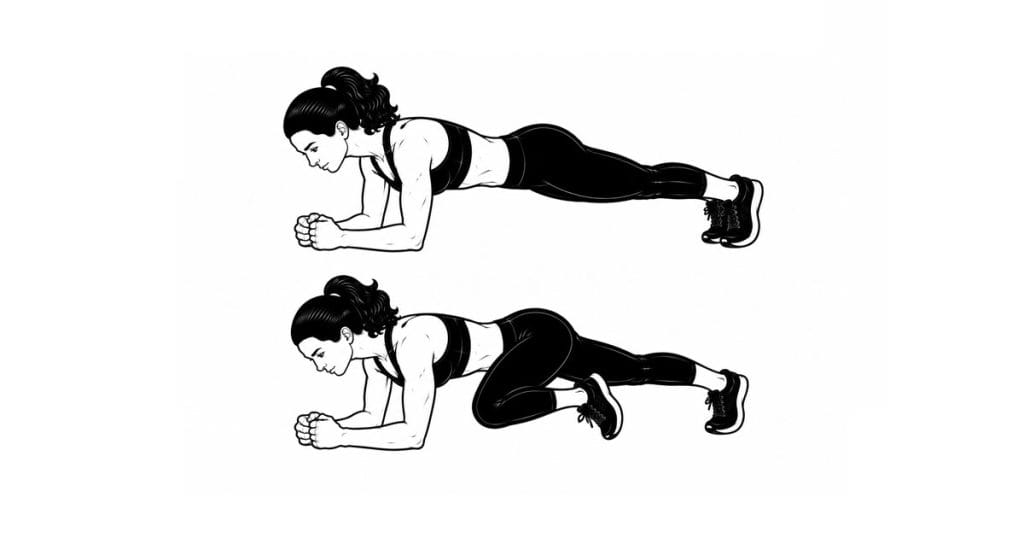
To perform the plank with alternating reach, begin in a strong high plank position with your hands under your shoulders and your body in a straight line. Engage your core and glutes, then slowly lift one arm and reach forward while keeping your hips level. Return the hand to the ground and repeat on the opposite side.
Proper technique is critical for maximizing benefits. Focus on minimizing movement in the hips and torso. The goal is to keep your body as stable as possible while the arm moves. Slow, controlled repetitions are more effective than fast, uncontrolled movements.
Common mistakes include allowing the hips to rotate, dropping the lower back, and rushing through the exercise. These errors reduce effectiveness and increase the risk of strain.
From a safety perspective, it is important to maintain proper alignment and avoid overreaching. If balance is a challenge, widening your stance can provide additional stability. Beginners can also reduce the range of motion or perform the movement from the knees.
Overall, the plank with alternating reach is a powerful core exercise that builds stability, strength, and control. Its ability to challenge multiple muscle groups while improving anti-rotation strength makes it a valuable addition to any core-focused routine.