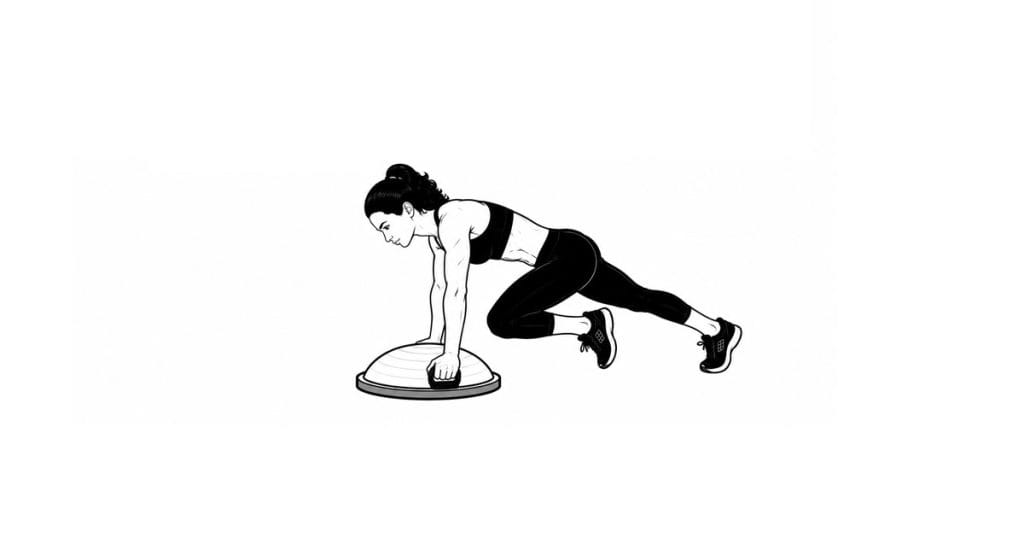
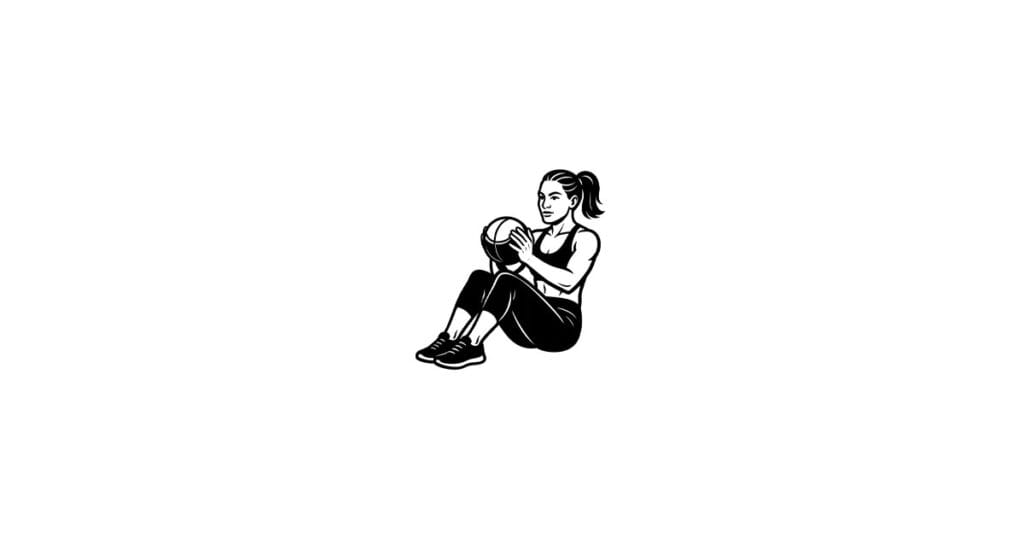
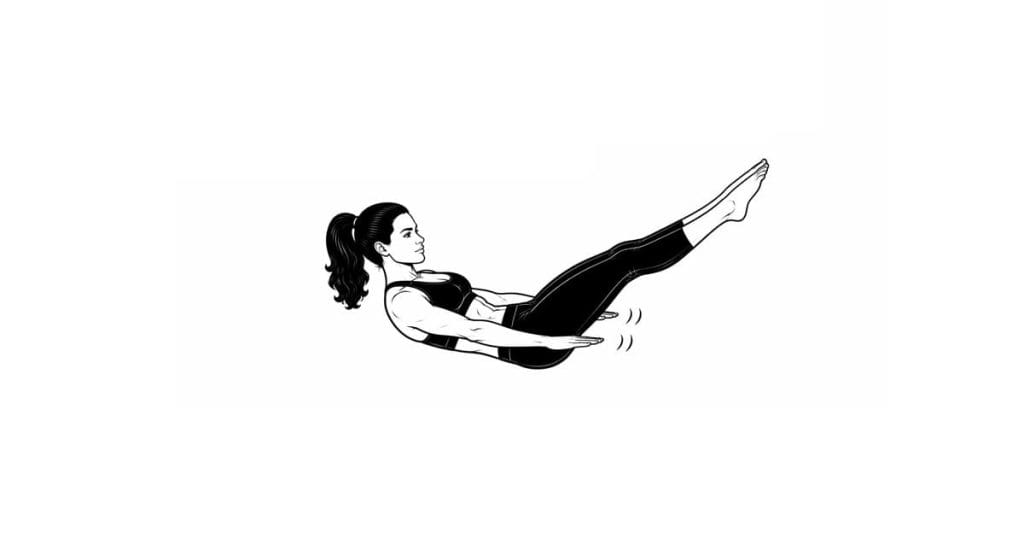
The log roll is a simple yet effective full-body mobility exercise that emphasizes core stability, coordination, and controlled movement. This exercise involves rolling the entire body from back to stomach and vice versa while maintaining a rigid, aligned posture. The goal is to move as one unit, like a log, without bending at the hips, knees, or elbows. Log rolls are commonly used in warm-ups, mobility routines, and rehabilitation settings due to their ability to reinforce proper movement patterns and body control.
The primary muscle group engaged during the log roll is the core. The abdominal muscles, including the rectus abdominis and obliques, play a critical role in maintaining a rigid body position throughout the movement. By keeping the body straight and preventing independent limb movement, the core is forced to stabilize and coordinate the roll. This makes the exercise particularly effective for developing foundational core strength and control.
Secondary muscles also contribute to the movement. The shoulders assist in initiating and guiding the roll, while the hip flexors and surrounding stabilizers help maintain alignment in the lower body. The obliques are especially important, as they help generate rotational force and control the transition from one side to the other.
One of the key benefits of the log roll is improved body awareness and coordination. Because the movement requires the entire body to move together, it enhances neuromuscular control and teaches proper sequencing. This can carry over to more complex movements and improve overall movement efficiency.
Another benefit is enhanced core stability. The requirement to keep the body rigid throughout the roll challenges the core muscles in a unique way. Unlike traditional core exercises that focus on flexion or extension, the log roll emphasizes anti-movement and control, which are essential for injury prevention and functional strength.
The log roll is also useful in rehabilitation settings. It is often used to teach individuals how to move safely while maintaining spinal alignment, particularly when getting in and out of bed. This makes it a valuable exercise for reinforcing safe movement patterns.
To perform the log roll, lie flat on your back with your arms extended overhead and your legs straight. Engage your core and begin rolling your body to one side, keeping everything aligned. Continue rolling until you reach your stomach, then reverse the movement or continue in the same direction.
Proper technique is essential for maximizing the benefits of this exercise. Focus on maintaining a straight line from head to toe and avoid bending or twisting. The movement should be slow and controlled, with the core driving the motion.
Common mistakes include bending the knees, using momentum, and allowing different parts of the body to move independently. These errors reduce the effectiveness of the exercise and limit its benefits.
From a safety perspective, it is important to perform the log roll on a comfortable surface and to move slowly to maintain control. Avoid excessive speed or force, and stop if you experience discomfort.
Overall, the log roll is a versatile and accessible exercise that improves core stability, coordination, and movement control. Its simplicity and effectiveness make it a valuable addition to warm-up routines, mobility work, and foundational training programs.