Kneeling to squat is a functional lower body exercise that combines strength, coordination, and mobility into one fluid movement. This exercise transitions from a kneeling position to a standing squat, making it highly effective for building leg strength while also improving balance and movement control. It is commonly used in bodyweight training, functional fitness routines, and rehabilitation settings due to its versatility and accessibility.
The primary muscle group targeted in the kneeling to squat exercise is the quadriceps. These muscles are responsible for extending the knees as you rise from the kneeling position into a squat and then to a standing position. The repeated transitions help build strength and endurance in the quadriceps, making this exercise beneficial for improving lower body performance.
Secondary muscle groups play a key role in supporting the movement. The glutes are heavily involved in hip extension as you stand up, while the hamstrings assist in stabilizing the knees and hips. The core muscles are continuously engaged to maintain balance and control throughout the transition, and the hip flexors are active when stepping the foot forward from the kneeling position.
One of the main benefits of the kneeling to squat exercise is its functional carryover. The ability to move from the ground to a standing position is essential for everyday activities, and this exercise directly trains that movement pattern. It helps improve coordination, body awareness, and overall movement efficiency.
Additionally, kneeling to squat enhances balance and stability. Because the exercise requires shifting weight from one leg to the other, it challenges the body to maintain control and alignment. This makes it particularly useful for improving single-leg stability and reducing imbalances between sides.
The exercise also promotes mobility in the hips and ankles. Moving through the full range of motion from kneeling to squatting encourages flexibility and joint health, especially when performed with proper form and control.
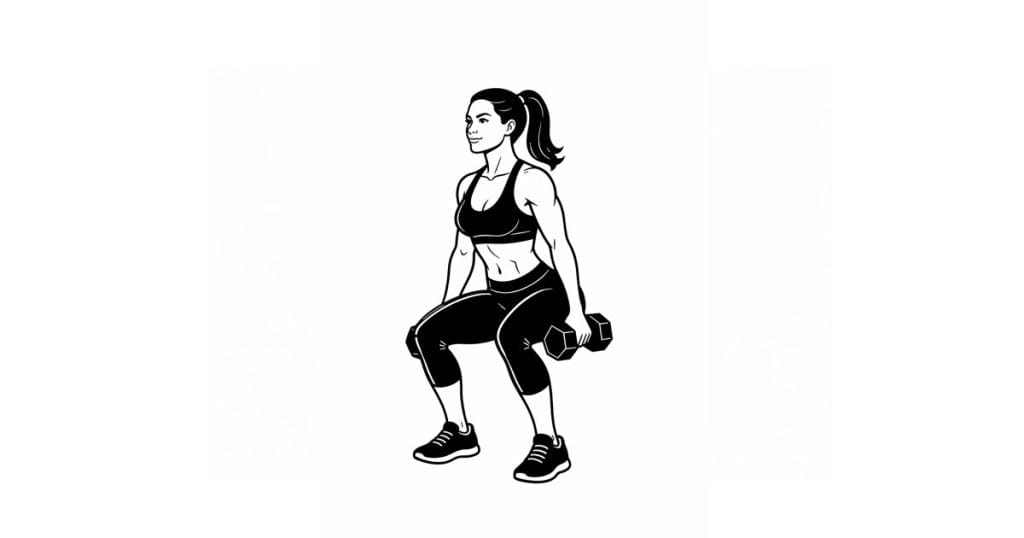
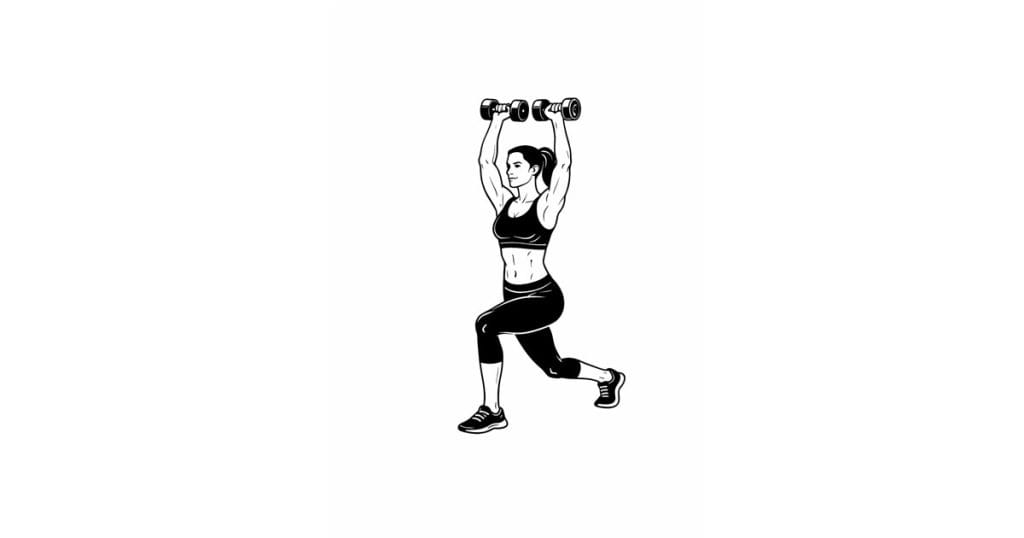
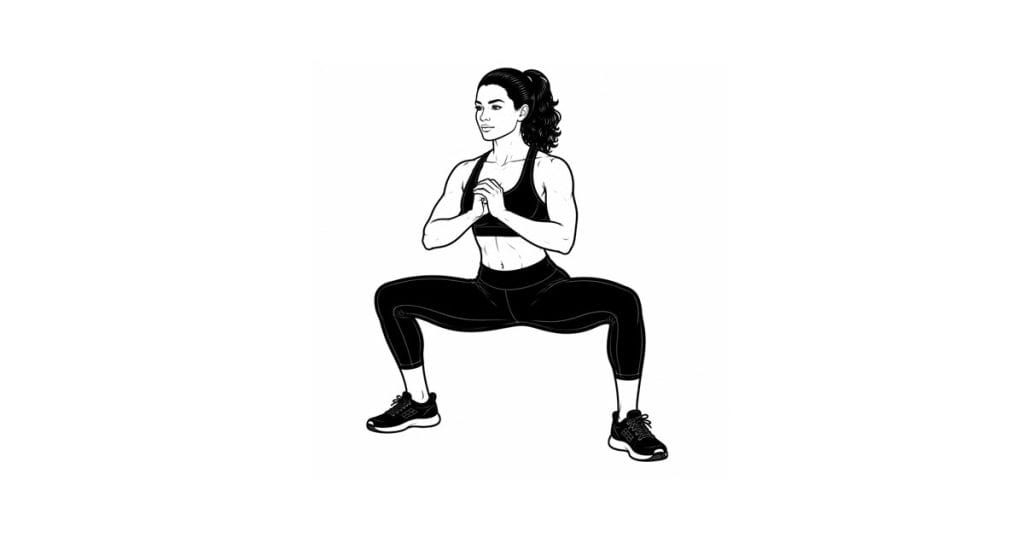
To perform the kneeling to squat, begin in a tall kneeling position with your torso upright. Step one foot forward into a half-kneeling stance, then drive through the front foot to bring yourself into a squat position. From there, stand up fully. Reverse the movement by stepping back down into the kneeling position, alternating the leading leg each time.
Proper technique is essential for maximizing the benefits of this exercise. Focus on maintaining an upright torso, engaging your core, and moving with control. Avoid rushing through the movement or using momentum, as this can reduce effectiveness and increase the risk of injury.
Common mistakes include leaning too far forward, allowing the knees to collapse inward, and failing to control the descent back to the floor. These errors can place unnecessary stress on the joints and reduce the effectiveness of the exercise.
From a safety perspective, it is important to perform this exercise on a comfortable surface to protect the knees. Individuals with knee sensitivity should take extra care and modify the movement as needed.
Overall, kneeling to squat is a highly effective exercise for building lower body strength, improving balance, and enhancing functional movement. Its simplicity and versatility make it a valuable addition to any fitness routine.