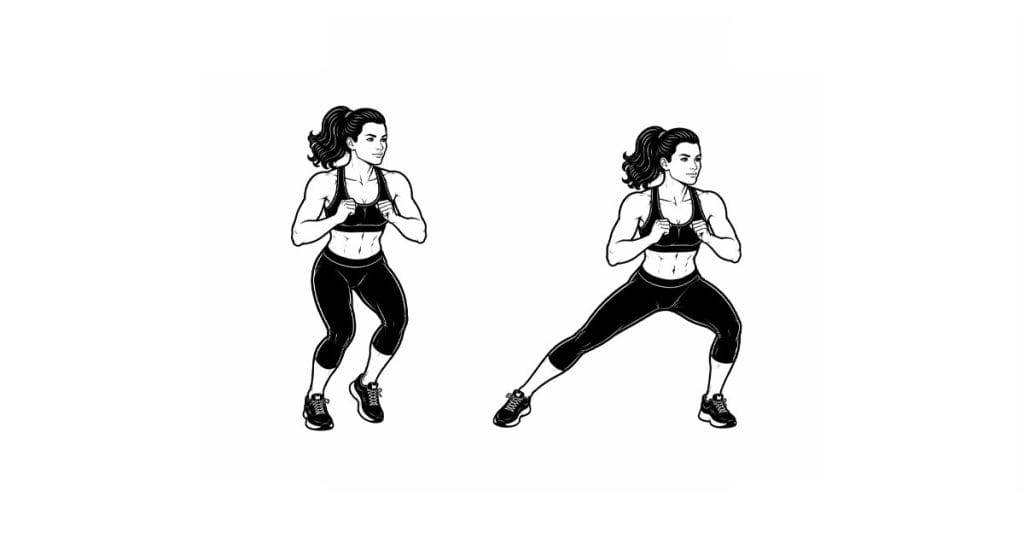
Fire hydrants are a simple yet highly effective bodyweight exercise designed to strengthen and activate the hip abductors and glute muscles. Performed in a quadruped position, this movement involves lifting one leg out to the side while keeping the knee bent, mimicking the motion of a dog at a fire hydrant. Despite its simplicity, this exercise plays a crucial role in improving hip stability, muscle activation, and overall lower body function.
The primary muscle group targeted during fire hydrants is the abductors, particularly the gluteus medius and gluteus minimus. These muscles are responsible for moving the leg away from the midline of the body and stabilizing the pelvis during movement. Strengthening these muscles is essential for maintaining proper alignment during activities such as walking, running, and squatting.
Secondary muscles involved include the glutes, core, and hip flexors. The gluteus maximus assists in stabilizing the hip, while the core muscles work to keep the torso steady and prevent excessive movement. The hip flexors contribute to maintaining the bent knee position and controlling the leg as it moves.
One of the key benefits of fire hydrants is their ability to improve hip stability. Strong abductors help prevent knee collapse and poor alignment during lower body exercises, reducing the risk of injury. This makes fire hydrants a valuable addition to warm-ups and activation routines.
Another important advantage is enhanced muscle activation. Many individuals struggle to properly engage their glutes during compound movements. Fire hydrants help establish a strong mind-muscle connection, making it easier to recruit the correct muscles during more complex exercises.
The setup begins in an all-fours position, with hands under shoulders and knees under hips. Maintaining a neutral spine is essential to ensure that the movement targets the hips rather than the lower back. Engaging the core before starting helps stabilize the body and improve control.
During execution, the leg is lifted out to the side while keeping the knee bent at approximately 90 degrees. The movement should be controlled and deliberate, with a focus on isolating the hip. The goal is to lift the leg without rotating the pelvis or shifting weight excessively.
Pausing briefly at the top of the movement allows for maximum muscle engagement. Lowering the leg slowly back to the starting position ensures that tension is maintained throughout the exercise.
Breathing should remain steady and controlled. Exhaling during the lift can help engage the core, while inhaling during the lowering phase supports stability and control.
Common mistakes include rotating the hips, arching the lower back, and using momentum to lift the leg. These errors can reduce the effectiveness of the exercise and increase the risk of discomfort. Focusing on proper form and controlled movement helps avoid these issues.
From a safety perspective, it is important to perform the exercise on a comfortable surface to protect the knees. Maintaining a neutral spine and avoiding excessive range of motion helps prevent strain on the lower back and hips.
Overall, fire hydrants are an effective and accessible exercise for improving hip strength, stability, and muscle activation. Their simplicity and versatility make them suitable for beginners while still providing benefits for more experienced individuals looking to enhance lower body performance.