The Dumbbell Upright External Rotation is a targeted shoulder exercise designed to strengthen the rotator cuff muscles, improve joint stability, and support overall shoulder health. This movement is commonly used in rehabilitation settings, warm-ups, and corrective exercise routines due to its ability to isolate the smaller stabilizing muscles of the shoulder.
The primary muscles worked during this exercise are the external rotators of the shoulder, which are part of the rotator cuff group. These muscles play a crucial role in stabilizing the shoulder joint during movement and maintaining proper alignment. Strengthening these muscles can help reduce the risk of injury, improve posture, and enhance performance in upper body exercises.
Secondary muscles involved include the upper back and forearms. The upper back helps maintain proper posture and scapular stability, while the forearms assist in holding and controlling the dumbbell throughout the movement. Although these muscles are not the main focus, they contribute to overall control and stability.
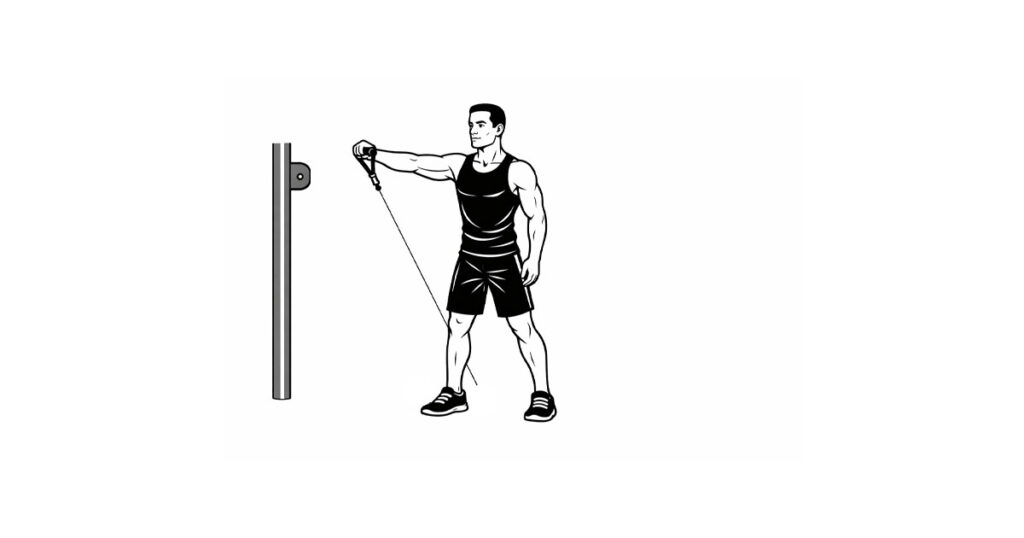
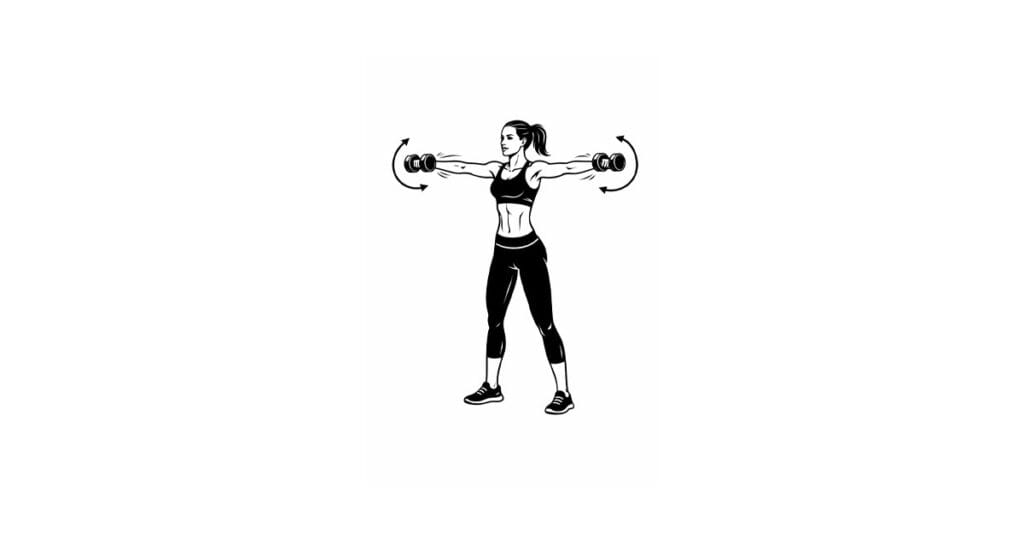
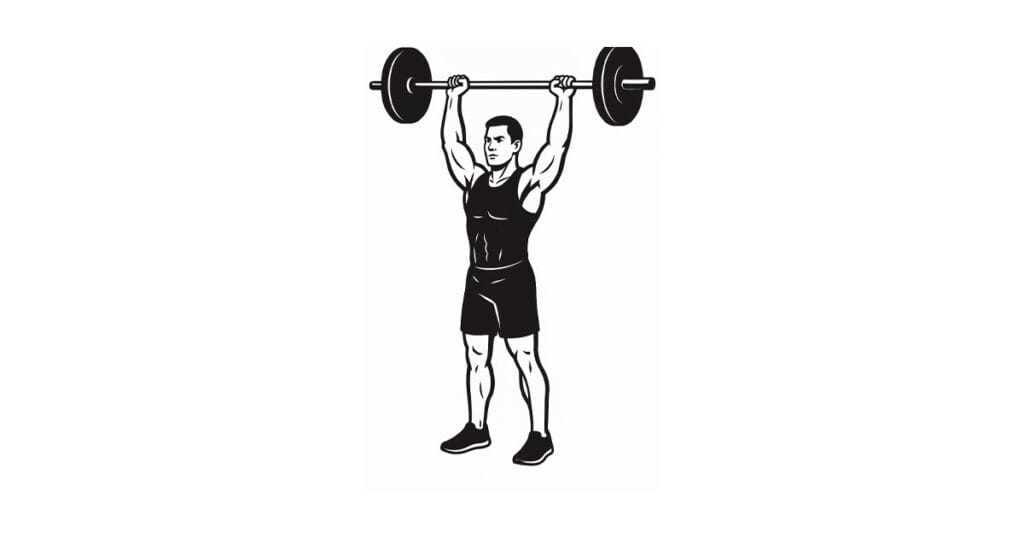
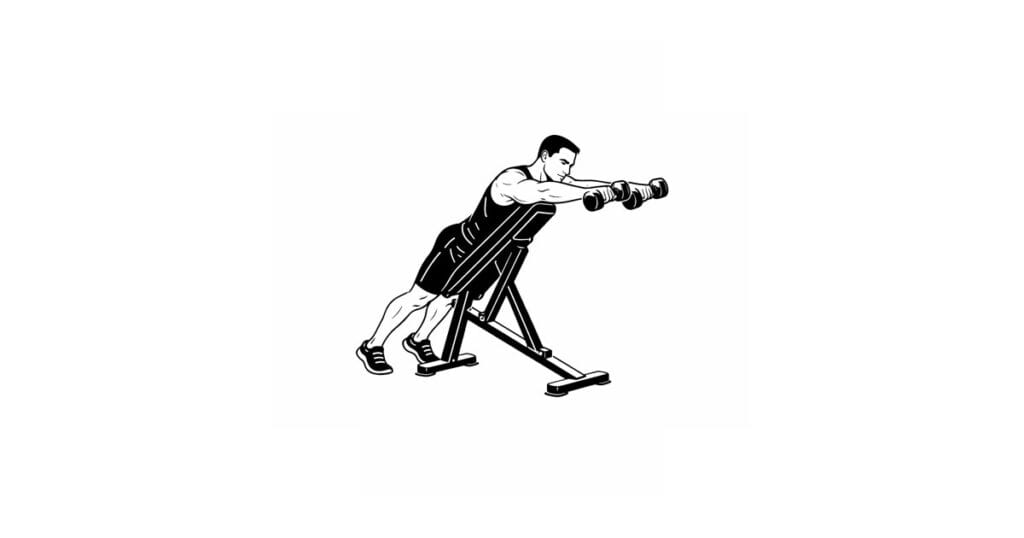
To perform the Dumbbell Upright External Rotation, stand upright with your feet shoulder-width apart. Hold a light dumbbell in one or both hands, and bend your elbows to a 90-degree angle. Keep your elbows close to your sides, ensuring they remain fixed in place throughout the movement. Your forearms should start in front of your body, with palms facing inward or upward.
Initiate the movement by rotating your forearms outward while keeping your elbows pinned to your sides. This rotation occurs at the shoulder joint, not the wrist or elbow. Move slowly and deliberately, focusing on engaging the rotator cuff muscles. Continue rotating until you reach a comfortable range of motion without forcing the movement.
At the end of the rotation, pause briefly to reinforce muscle activation. Then, slowly return your forearms to the starting position, maintaining control throughout the descent. This controlled motion helps improve muscle coordination and increases time under tension, which is beneficial for strengthening the stabilizing muscles.
One of the key benefits of this exercise is its role in injury prevention. The rotator cuff muscles are often overlooked in traditional strength training, yet they are essential for maintaining shoulder integrity. By incorporating exercises like the Dumbbell Upright External Rotation, you can build a more balanced and resilient shoulder joint.
Proper form is critical for maximizing the benefits of this exercise. Avoid using heavy weights, as this can lead to compensation and reduced effectiveness. Instead, focus on slow, controlled movements and maintaining proper alignment. Keeping your elbows anchored to your sides ensures that the correct muscles are being targeted.
Common mistakes include allowing the elbows to drift away from the torso, using momentum, and performing the movement too quickly. These errors reduce the effectiveness of the exercise and increase the risk of strain. Maintaining strict control and focusing on technique will yield better results.
This exercise is suitable for beginners and can be easily modified based on individual needs. It is often included in warm-up routines to prepare the shoulders for more demanding exercises, as well as in rehabilitation programs to restore strength and stability.
Overall, the Dumbbell Upright External Rotation is a simple yet highly effective exercise for improving shoulder health, enhancing joint stability, and supporting long-term performance. When performed consistently and with proper technique, it can contribute to stronger, more resilient shoulders and a reduced risk of injury.