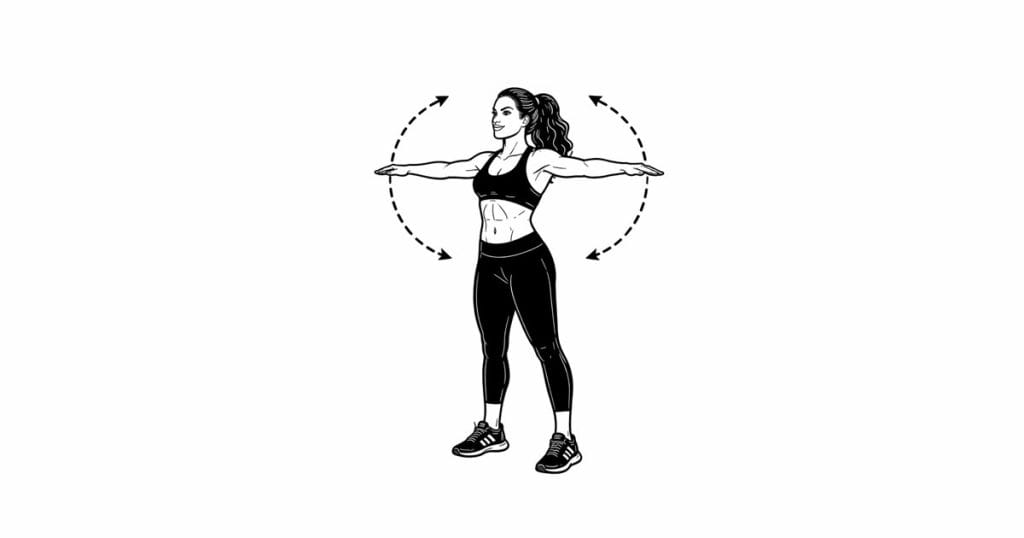
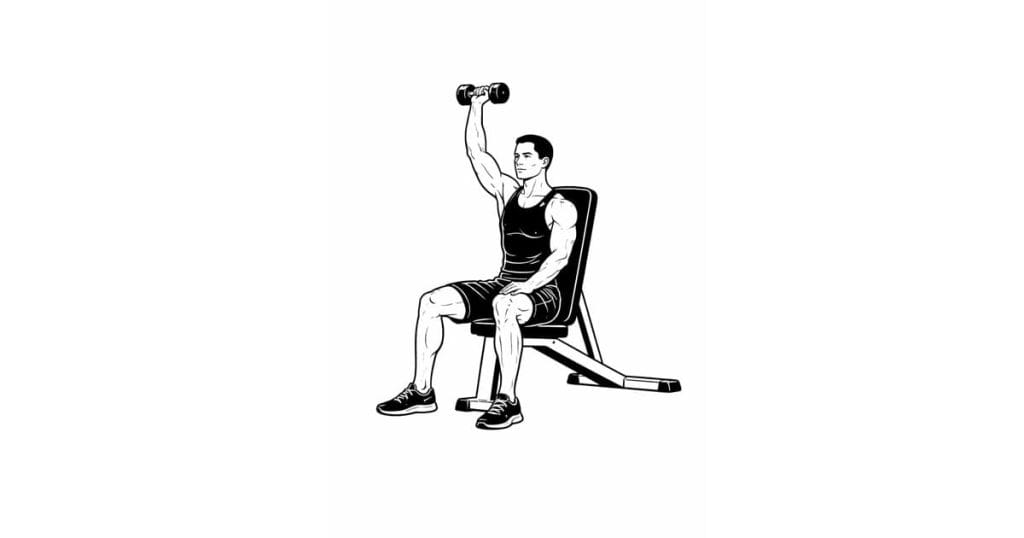
The Cable Bent Over Rear Delt is an isolation exercise designed to target the posterior head of the shoulders while also engaging the upper back and supporting stabilizing muscles. Performed on a cable machine, it provides constant tension throughout the entire range of motion, making it particularly effective for developing rear delt strength, size, and muscular control.
This exercise is commonly used to improve shoulder balance and posture, as the rear delts are often undertrained compared to the front and side delts. Strengthening this area supports healthier shoulder mechanics, enhances pulling strength, and contributes to a more balanced upper-body appearance. The bent-over position places the rear delts in a mechanically favorable alignment, allowing them to perform shoulder horizontal abduction with minimal assistance from larger muscle groups when executed correctly.
One of the primary advantages of using cables over dumbbells is the continuous resistance they provide. Unlike free weights, cable tension remains consistent even at the bottom of the movement, increasing time under tension and reinforcing proper muscle engagement. This allows lifters to focus more on controlled execution and precise activation rather than simply stabilizing the load.
Proper setup is essential for maximizing the benefits of this exercise while minimizing strain. Hinging at the hips with a neutral spine ensures the shoulders, rather than the lower back, drive the movement. Slightly bent knees help with balance and reduce stress on the hamstrings. The arms should maintain a consistent position throughout the set, with a soft bend at the elbows to protect the joints and keep tension on the rear delts.
During execution, the movement should be slow and deliberate. Pulling the handles outward and slightly backward aligns the resistance with the rear delts, while a brief pause at the top of each repetition can enhance mind-muscle connection and reinforce proper scapular positioning. Avoid lifting the arms excessively high, as this can shift tension away from the rear delts and into the upper trapezius muscles.
The Cable Bent Over Rear Delt fits well into strength training programs, hypertrophy-focused routines, and shoulder health protocols. It is particularly useful for addressing muscular imbalances caused by excessive pressing or prolonged poor posture. Since the rear delts play a crucial role in shoulder stability, consistent use of this exercise can support improved performance in compound pulling and pressing movements.
Overall, the Cable Bent Over Rear Delt is a controlled, joint-friendly exercise that prioritizes precision over heavy loading. When performed with proper technique, it effectively targets the rear shoulders, supports upper-back engagement, and promotes balanced shoulder development without unnecessary strain.