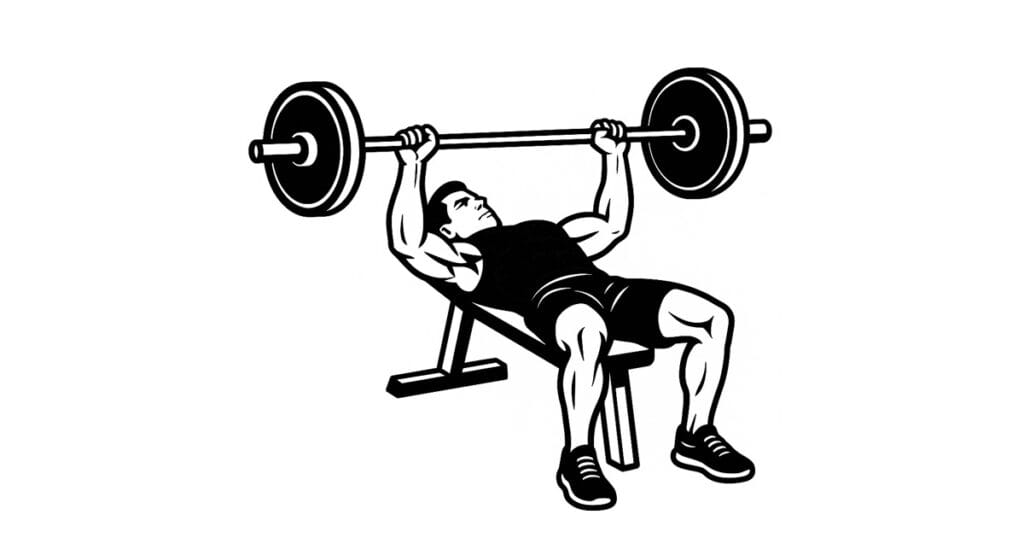
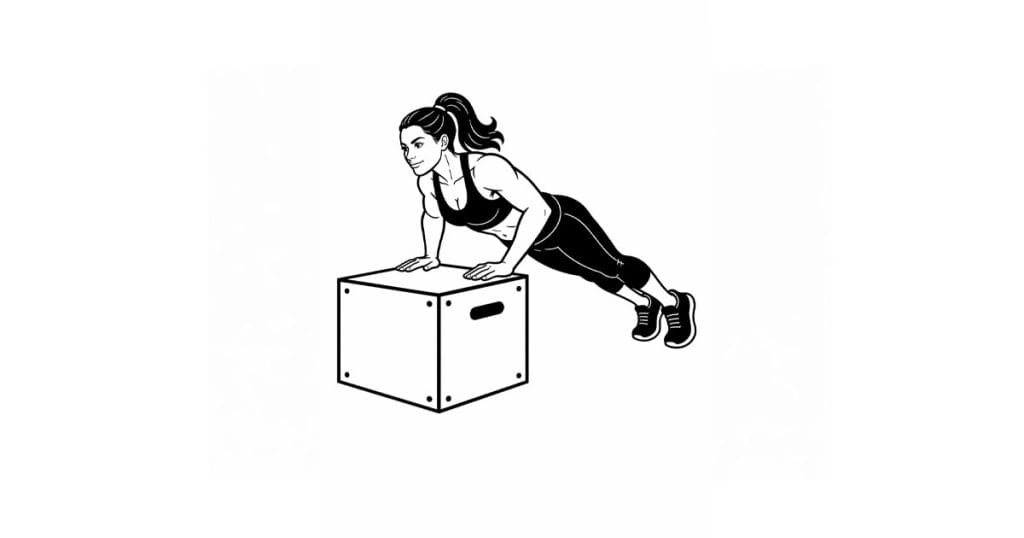
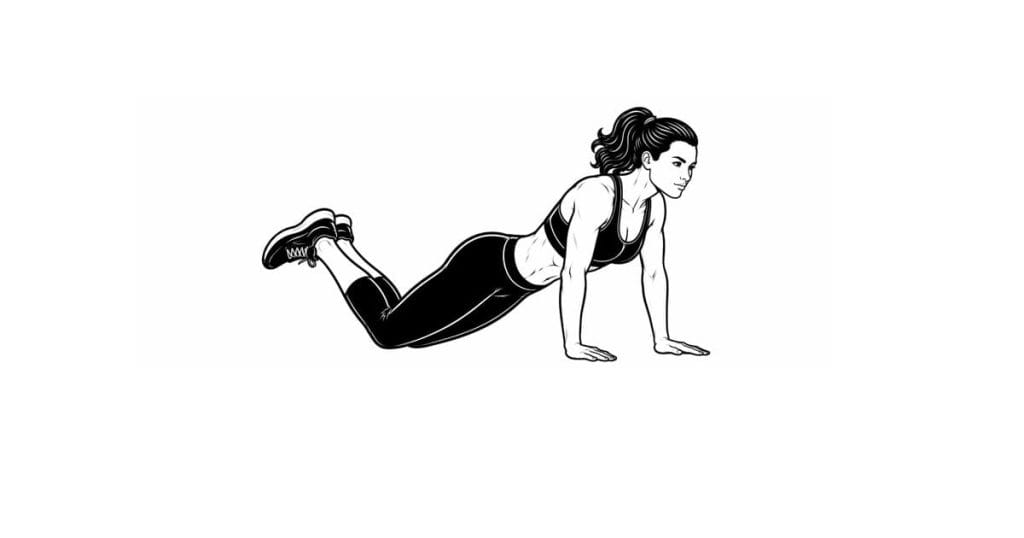
The Dumbbell Twist Bench is a versatile upper body exercise that combines a traditional dumbbell bench press with a controlled rotational component. This movement targets the chest as the primary muscle group while also engaging the shoulders, triceps, and core. The added rotation increases muscle activation and improves coordination, making it an effective variation for building strength and enhancing functional movement patterns.
The primary focus of the Dumbbell Twist Bench is the chest muscles, particularly the pectorals, which are responsible for pressing the weights upward. By incorporating a rotational movement of the wrists and arms, the exercise enhances the contraction of the chest muscles, especially at the top of the press. This can lead to improved muscle engagement and development compared to a standard press.
Secondary muscles involved include the shoulders and triceps, which assist in pressing the dumbbells overhead. The anterior deltoids play a key role in stabilizing the movement, while the triceps extend the elbows during the pressing phase. The forearms and wrists are also engaged to control the rotation and maintain a secure grip on the dumbbells.
The core muscles, including the obliques, are activated to stabilize the torso throughout the movement. While the rotation occurs primarily in the arms and shoulders, maintaining a stable base requires consistent core engagement. This contributes to improved overall body control and balance.
To perform the Dumbbell Twist Bench, lie flat on a bench with a dumbbell in each hand. Start with the dumbbells at chest level and your palms facing inward. As you press the weights upward, rotate your wrists so that your palms face forward at the top of the movement. This rotation should be smooth and controlled, not forced or exaggerated.
At the top position, your arms should be fully extended and your chest engaged. Pause briefly to maintain control, then lower the dumbbells back down while reversing the rotation so your palms return to a neutral position. This controlled descent is important for maintaining tension in the muscles and preventing injury.
One of the key benefits of the Dumbbell Twist Bench is its ability to improve muscle activation and coordination. The rotational component adds a layer of complexity that challenges stabilizing muscles and enhances neuromuscular control. This makes the exercise particularly useful for those looking to advance beyond basic pressing movements.
Proper technique is essential for maximizing the benefits of this exercise. Avoid using excessive weight, as this can compromise control and increase the risk of injury. Focus on smooth, deliberate movements and maintain proper alignment throughout the exercise.
Common mistakes include failing to rotate the wrists properly, using momentum instead of control, and allowing the elbows to flare too wide. These errors can reduce the effectiveness of the exercise and place unnecessary stress on the joints.
Maintaining a stable upper body position and keeping your shoulder blades retracted will help support proper form and protect the shoulders. Additionally, keeping your core engaged prevents excessive arching of the lower back.
Overall, the Dumbbell Twist Bench is an effective and dynamic exercise that enhances chest development while improving coordination and control. Its combination of pressing and rotational elements makes it a valuable addition to any upper body training routine, offering both strength and functional benefits when performed correctly.